
Don’t Discount your Kit Lens. It’s better than you think.
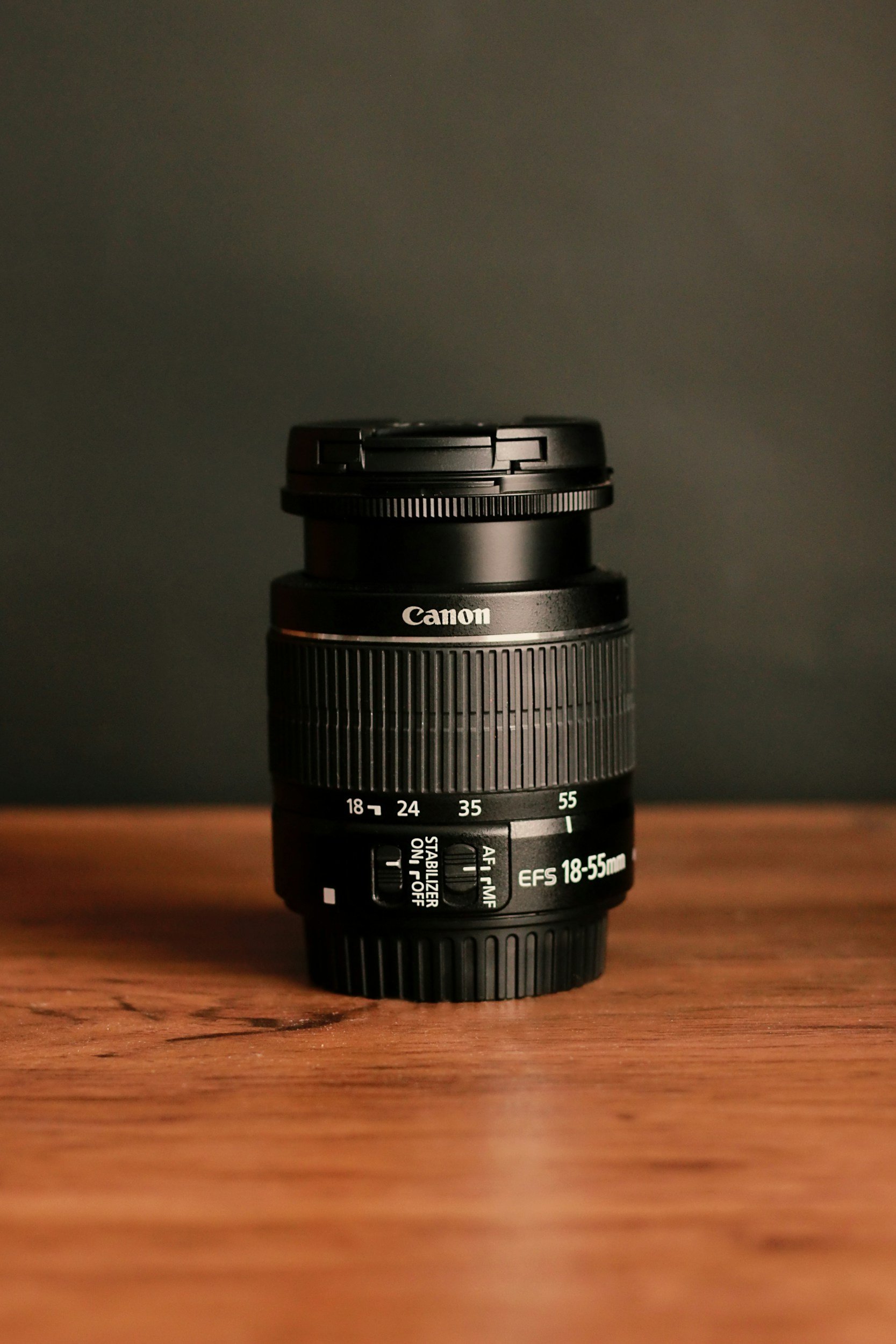
For a long time, my kit lens was all that I had. It came with my camera, which is a Canon 80D. For their APSC camera’s, Canon will supply you with a 18-35mm f/4.5-5.6 variable aperture lens - a variable aperture lens is one where the minimum aperture changes depending on the focal length. In the case of this lens, at 18mm your maximum aperture is f/3.5, but as you zoom to longer focal lengths, this decreases to f/5.6. This is one of the limitations of this lens, but as you get better, you learn how to work with this, and if it’s all you have, then you have to learn to live with it.

All of the images in this blog were taken on the Canon EF 18-35mm f/3.5-5.6 kit lens. I’ve put a grid at the bottom of the page which shows some different types/style of photography I have made using this lens.
You will hear a lot about gear as you move through your photography journey, a lot of it is marketing, but some of it isn’t. One of the the best changes you can make is to upgrade you lens - it’s one of the best improvements
you can make, and with that there often comes a huge price tag. Good glass costs money, you have to be savvy.
Of course there are cheaper lenses you can buy find quite easily, and if you’re happy with the second hand market, and you can pick up a canon 50mm (EF Mount) lens for less than £100. But that’s not we’re here to talk about.
Ultimately, in this fairly short blog, I want to show you that your kit lens is better than you think it is, and to an extent, that if you can shoot with this and get results you are happy with, then you can great results out of anything else that you put on the front of your camera, assuming it’s not some kind of optical potato!
My kit lens was the only lens I had, therefore it was the best lens I had. I had just sold all of my DJ gear to pour all of the funds into my new found love for photography, by the time I had the camera (bundled with the kit lens), and bag and a tripod, there wasn’t a lot left and certainly not enough for me to think about buying new lenses. I’m not even sure that I quite realised how much of a money-pit photography could become.
To begin with, (and I have spoken about this before), I thought the camera was broken because it wasn't taking amazing photos. I soon realised it was me that was the problem, I slowed down, practiced, watched, spoke to other photographers and slowly I started to get better.
Learn The Lens
I then started to learn how to compose a little better, started to look at more photography and got to thinking about how I could get more out of my existing kit.
I experimented with long exposure and the different focal lengths that this lens was able to offer me. I worked with different angles; shooting at eye level, way down low to the floor and at any level I could get my tripod at.
For a while, I became almost obsessed with low angle shots of details on the floor; I could use these as foreground interest and then force backgrounds out of focus to get interesting bokeh - I was shooting a lot of night and in London, these kinds of shots were low hanging fruit (there’s at least one of these shots in the carousel at the bottom of the page) and they did well on social media at the time, as there were a bit of a taste for them.
This showed me that I could work with the (quite large) minimum focus distance so and could I place subjects near the front of the frame and still have them in focus. I knew I was doing something right when someone (who shall remain nameless, but who I really respected (and still) as a photographer) asked which lens I had taken one of these shots on, and they were really surprised when I said that I had bagged it with the kit lens.
The other thing about you kit lens is that it’s sharper than you think it is.
But again, you have just got to slow down with it. Use it in manual focus, take your time and check your focus by zooming in but make sure you’re selecting a sharp aperture. The 18-55mm (in my experience), like many others lenses, is sharpest around f/8.0 but the sharpness wide open at f3.5 is pretty good though it will start to fall off towards the corners.
In the studio, it worked well for getting the details I wanted in the images sharp, check out the bottle and can shots in the carousel at the bottom. On the tripod, I could use longer exposures to get exactly the images I wanted and was even able to use this lens in a couple of brand partnerships for some watches that I was shooting - these partnerships came off the back of seeing the work that I had shot, you guessed it, with the 18-55mm!
So trust your kit lens, get to know it and don’t rush to buy any other fancy glass until you have really explored what this lens can do for you!
Thanks for reading, I hope you found this useful/insightful! If you’d like to be the first hear about new blogs and reviews and to keep up to date with what I am doing and see my latest work, please consider signing up to the mailing list via the contact page.
If you’d like to support the blog and help me keep producing Lake District photography content, honest gear reviews and regular website updates, you can do so via my Buy Me a Coffee page. Keeping everything running smoothly takes time, and your support makes a real difference. Thank you.
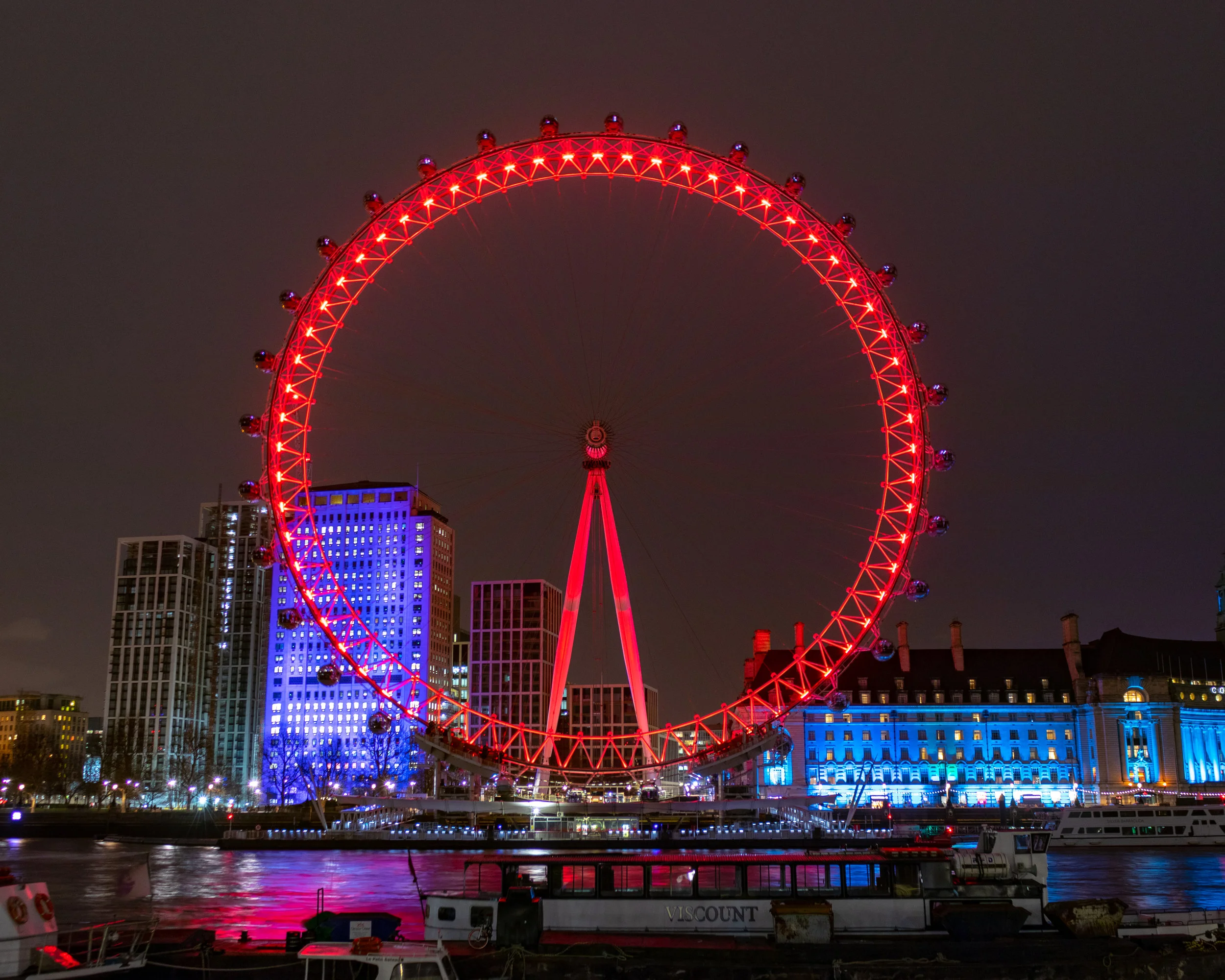
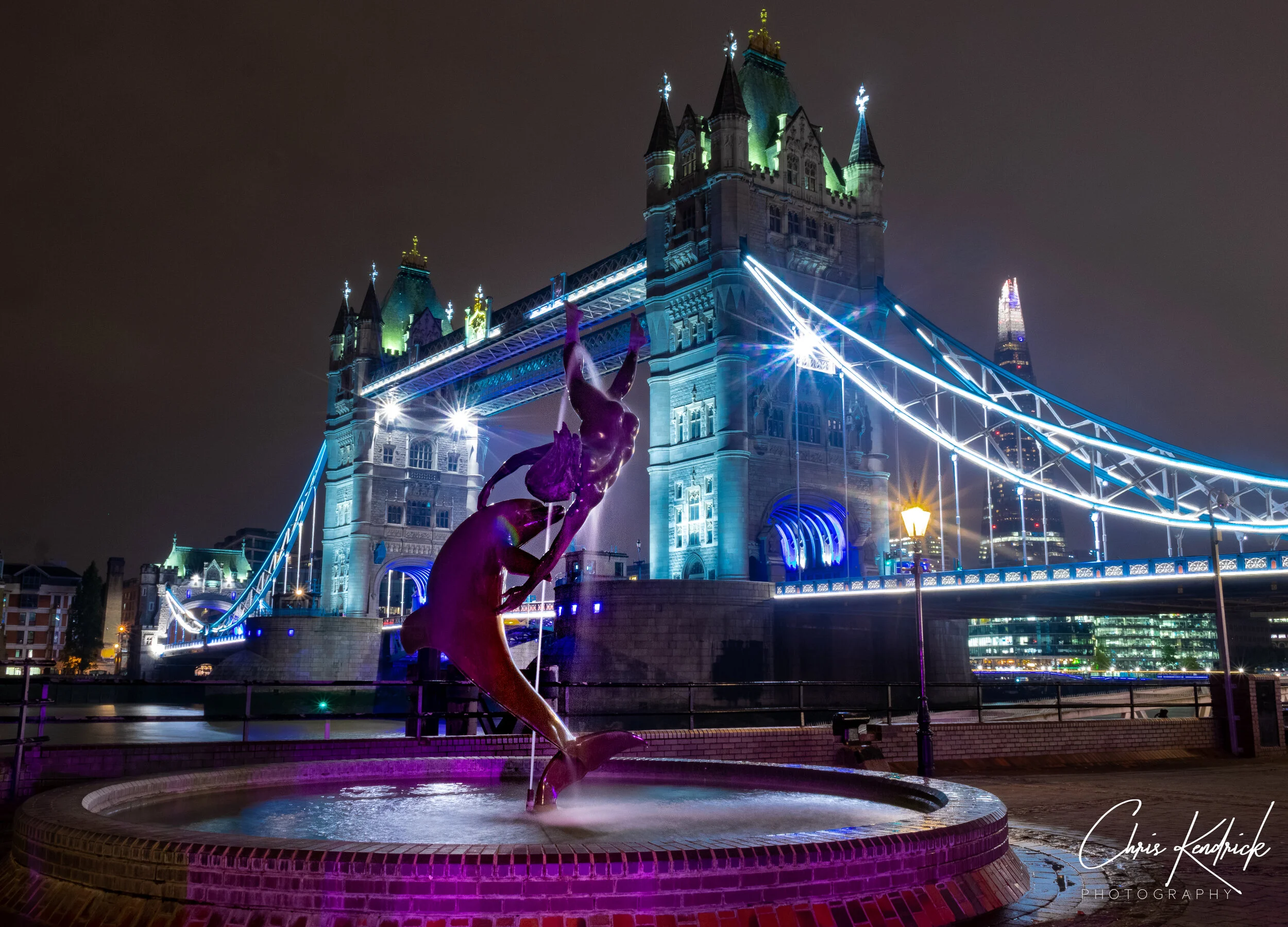

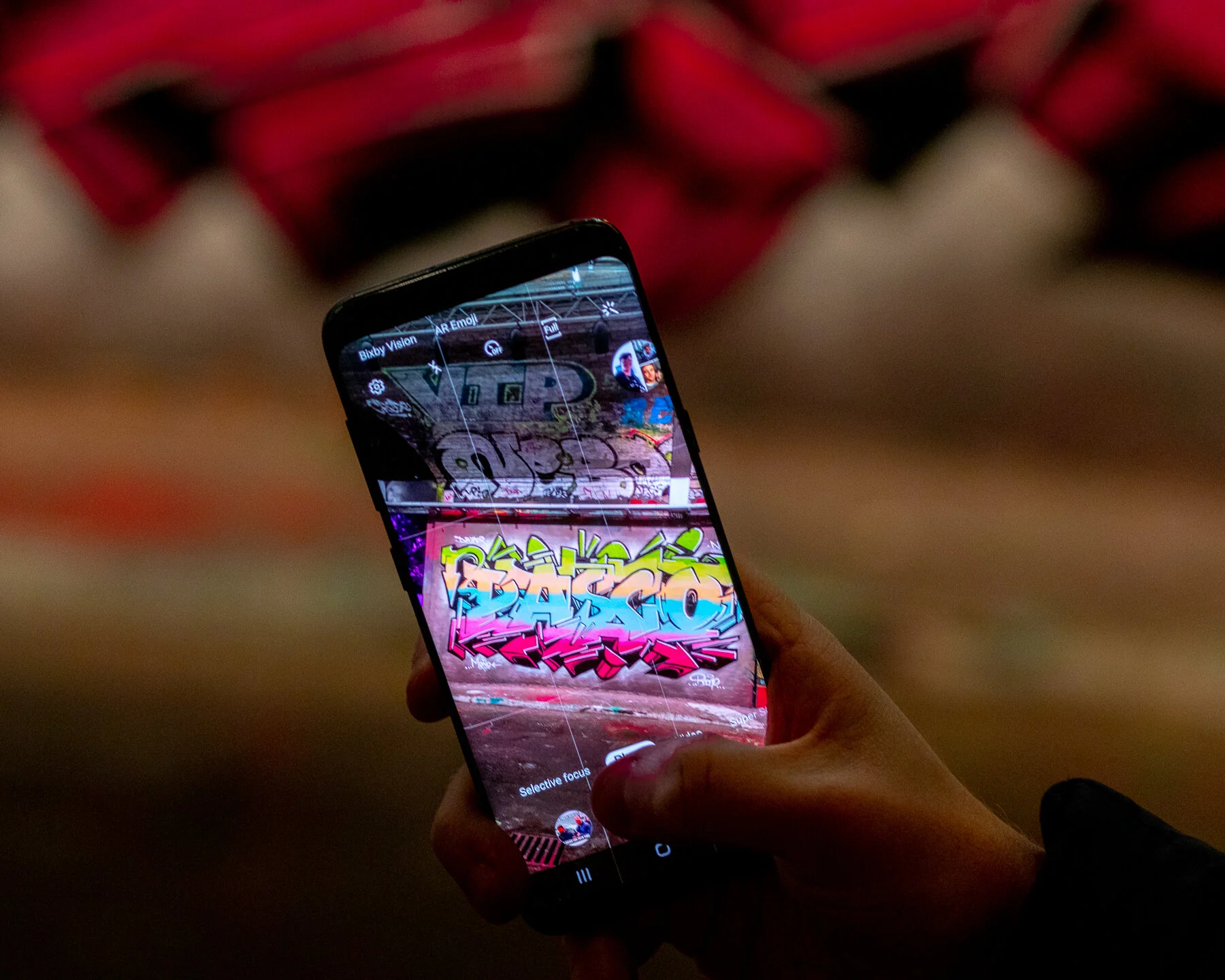

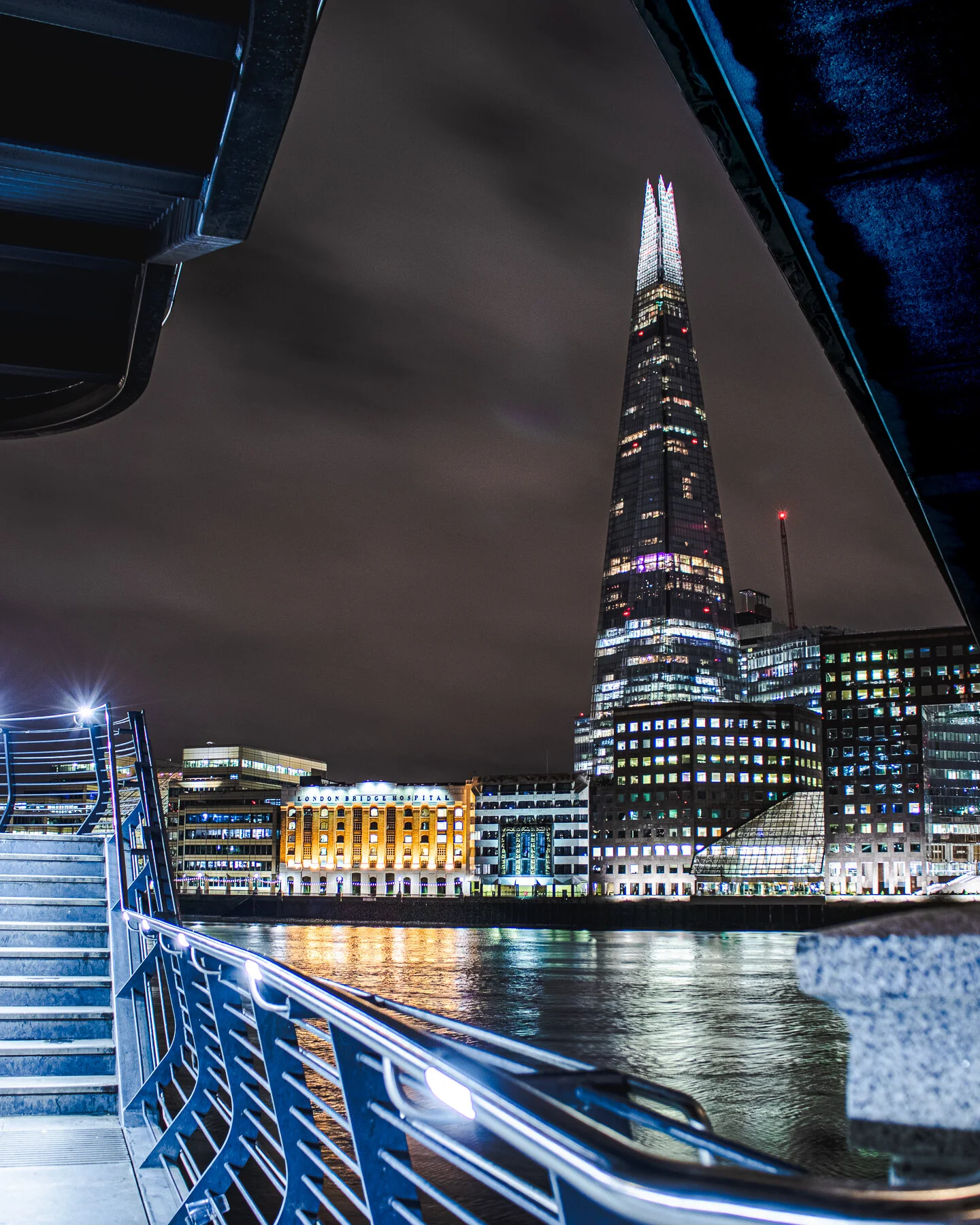


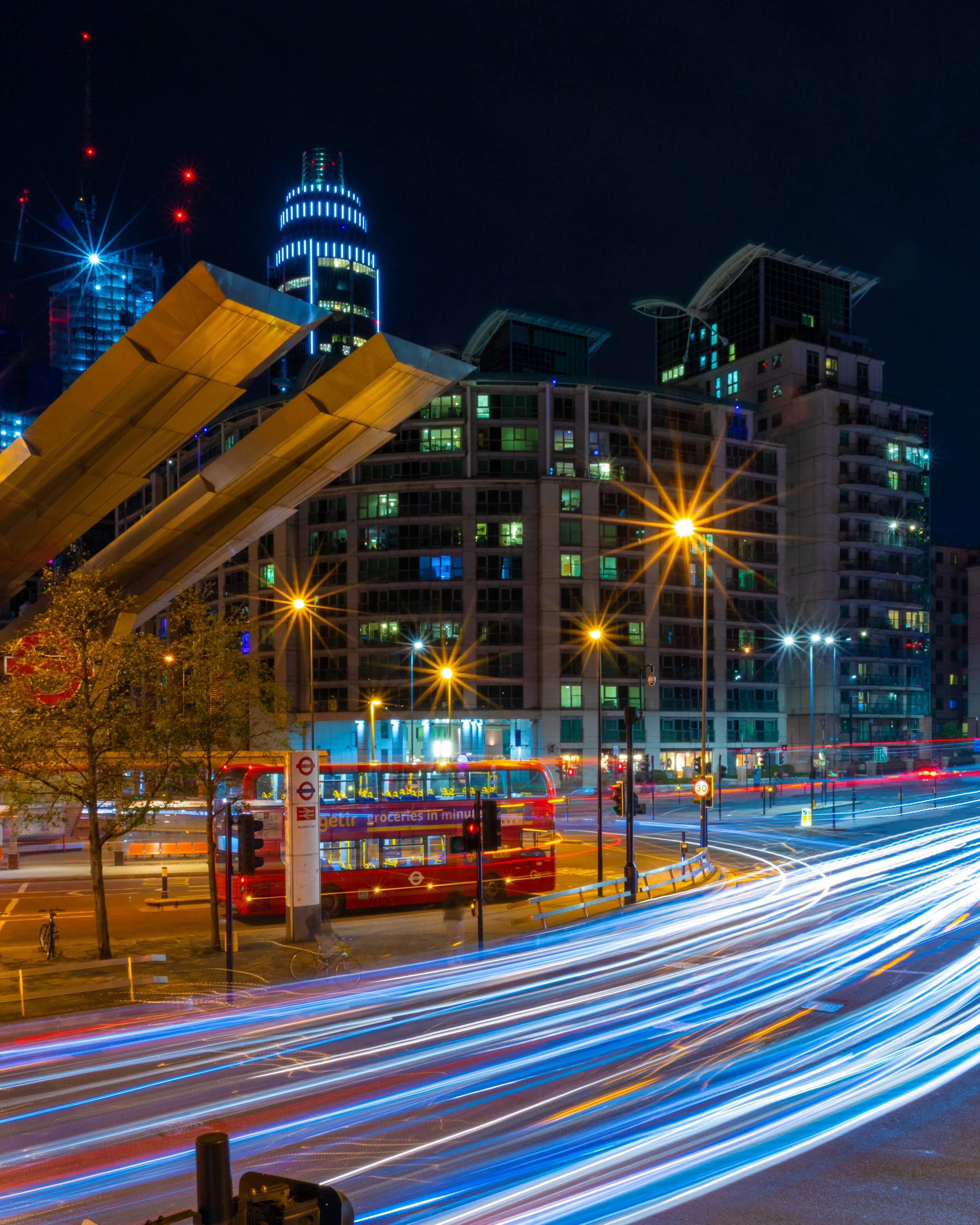


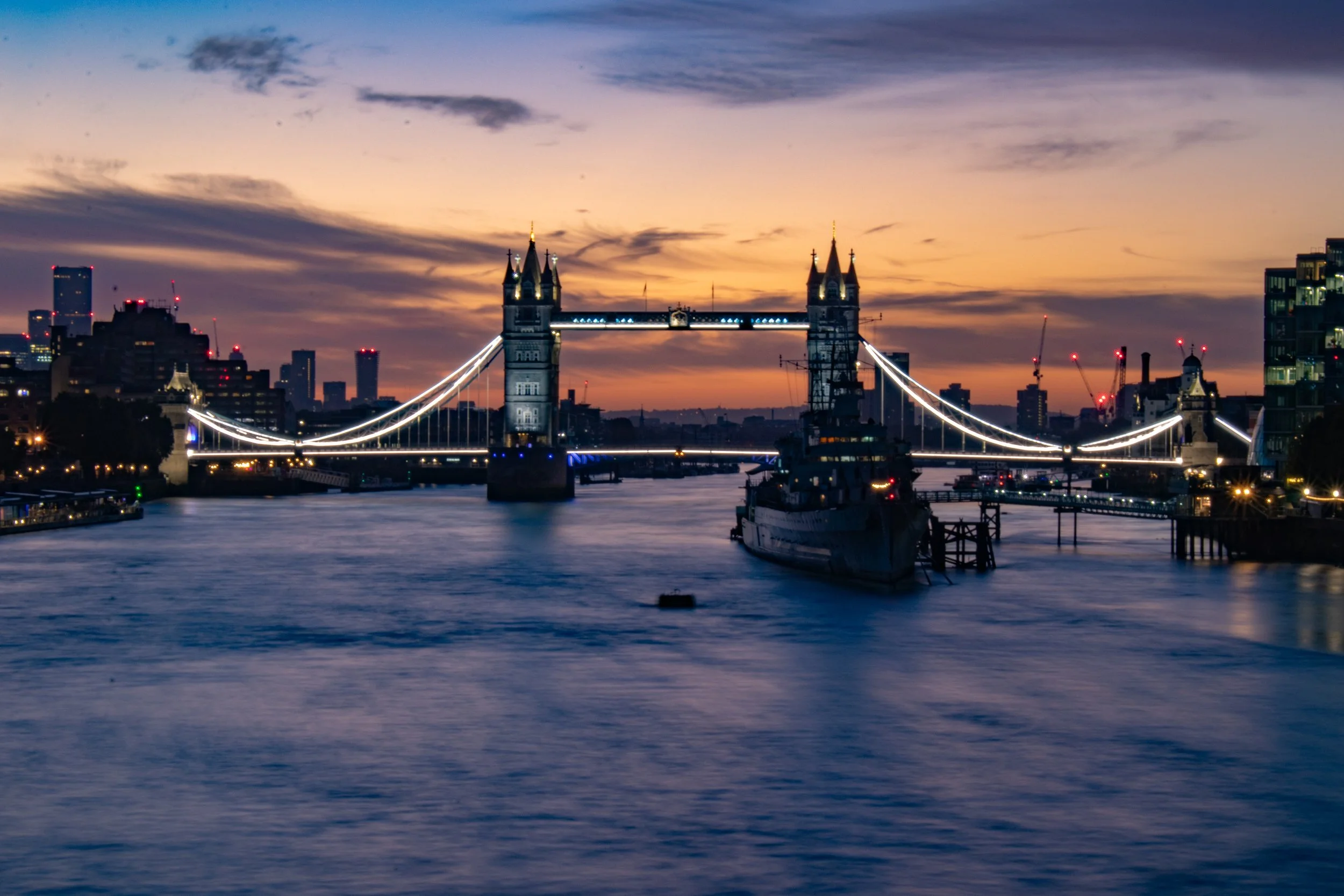
All of the photos in the carousel above, were taken on the Canon EF-S 18-55mm f/3.5-5.6 kit lens and my Canon 80D.