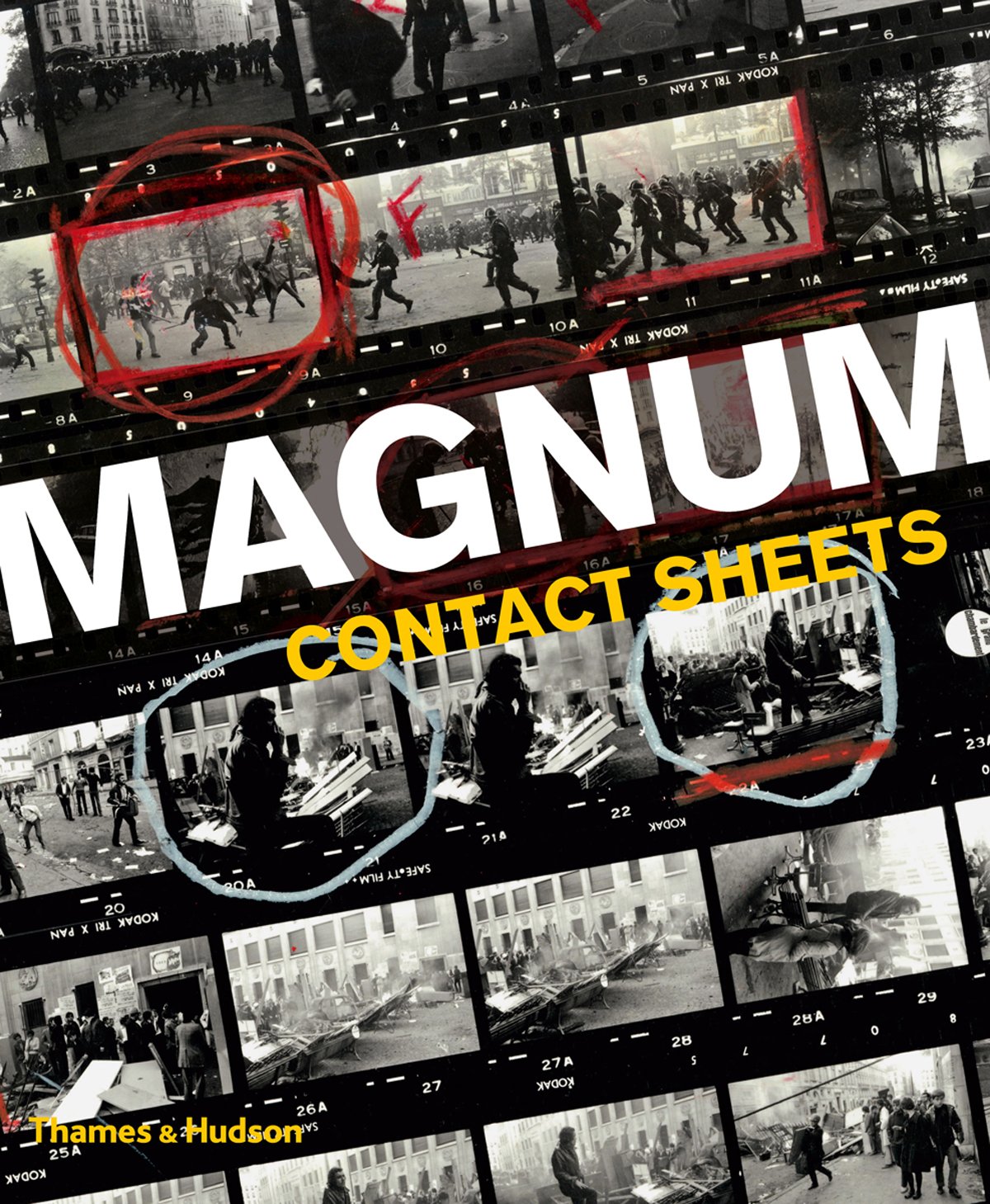
Magnum Contact Sheets
Magnum
Publisher: Thames and Hudson
Available on Amazon from £32.45
This blog contains Amazon affiliate links, if you make a qualifying purchase after clicking one of these links, I may receive a small kick back. This is at no extra cost to you, but does help me to keep this blog running, so thank you if you decide to make a purchase.
This might seem like an odd choice for a Lake District landscape photographer, but if you have been here before, you will know that this hasn’t always been my ‘identity’ as a photographer, I started out shooting street and city scapes in London. And, besides, whilst I still dabble in these two genres, I don’t think that any photographer should pigeonhole themself when it comes to the books that they read; it would be like someone who enjoys films only watching on genre of films, or another person who is into music only listening to one specific style.
Put simply, in my opinion, to truly understand one genre of photography, you need to know about the others and see how the all link to one another, you never know, you might find something new that you want to include in your own images.
So then, Magnum Contact Sheets, one of the first photo books I ever bought and to this day, still one my favourites. You could see this is a collection of street, reportage and documentary photography, taken by the very best of the very best - you don’t end up as a Magnum photographer by not being very good at what you do!
The Magnum Photos agency was founded in 1947 by a group of pioneering photographers who wanted greater control over their work and how it was used. Key figures included Henri Cartier-Bresson, Robert Capa, George Rodger, and David Seymour - we’re talking big names from the outset, as you can see.
At the time, most photographers had little ownership over their images, often handing rights to magazines. Magnum was created as a cooperative, meaning the photographers themselves retained copyright and editorial control. Over time, the agency became one of the most respected collectives in photography, shaping photojournalism and documentary photography for generations.
This book is a collection of the original contact sheets of many of the photographers who shoot for/have shot for Magnum and includes writing which helps to cement the story of the images themselves and how they were made.
Having the contact sheets to look at, with the photographers’ original edits marked on them, as well as their selections givers a real insight into how these images were made and part of the decision making process, alongside the selects and the images which are similar, but were ultimately rejected.
For me, being able to to see the contact sheets really gives some context and makes the whole experience of reading this book something that is much more interesting on a number of levels. Couple this with the commentary that goes with each photo and you have something which is definitely worth a place on the bookshelf of any photographer, no matter their preferred genre.
There are some huge names (as you would expect) in this book, which kicks off with Cartier-Bresson in 1933 and finishes up in 2010 with some shots by Jim Goldberg. Most of the major players in the intervening (almost) 70 years are ticked off as you move through the book, which at 524 pages is an absolute unit.
One of my favourite things about the book is how we see the use of colour imagery begin to bleed in as we approach the work which has been completed closer today, and I like the familiarity of some of the photos we see contained in its pages - there’s some really famous photography in here, and you might just end up with some new favourites.
Check out more of The Bookshelf by clicking the links below.