Bokeh: Why It’s great and Why We Shouldn’t Obsess Over It.
Bokeh (pronounced bow-kuh), is the name we give to the intentionally out of focus parts of image, it can help our subjects to ‘pop’ off the background and can add interest to our images. It’s a great thing, but do we put too much weight on it in our images and why is there such an obsession with the out of focus parts of our image when 99% of the time, the thing we want people to see is the in focus bit?!
This isn’t an essay style blog, just something short which is intended to provide some food for thought!

For the uninitiated, the bit of the image we are talking about, can be seen in the image on the left hand side
It’s the out of focus ‘balls’ in the background, alongside all of the bits that aren’t in focus, which helps to draw our attention to the subject of the image, which in this case is the dollar bills that are in the foreground.
‘Bokeh’ is the Japanese for ‘haze’ or ‘blur’. The spelling makes the pronunciation challeneging, as the ‘h’ was added relatively recently by a journalist who was fed up people pronouncing it wrong. It should be written as ‘Boke’, but it was being pronounced so that it would rhyme with ‘oak’.
So why are we photographers fascinated with it? There is series of Instagram accounts which are devoted to it. But what’s the attraction?
I mean, look at it… it’s pretty cool to see, isn’t it?
There’s something undeniably pleasing about smooth, creamy backgrounds and perfectly round highlights. They feel cinematic. They feel professional. For many photographers, bokeh becomes a shorthand for “good photography”, a visual cue that says this was taken with a proper camera rather than a phone (portrait mode on lots of phones achieve this by applying filters to the background of your images, and not optically by adjusting the aperture). Shallow depth of field has become synonymous with skill, even though, technically speaking, it’s one of the easiest things to achieve once you have the right lens and you know how to position your subject in relation to the background.
And that’s where the problem starts.
When we fixate on bokeh, we risk confusing aesthetic side-effects with intentional image-making. Bokeh isn’t the subject. It isn’t the story. It’s a by-product of choices we make about aperture, focal length, subject distance and background distance. When those choices serve the image, bokeh can be wonderful. When they don’t, it quickly becomes visual noise.
I’ve seen countless images where the background melts away beautifully… and there’s nothing left to look at. The subject is weak, the light is flat, and the composition is doing no real work. The image survives purely on blur. Take that away, and it collapses.
This obsession is also fuelled by social media. Platforms like Instagram reward instant impact at tiny sizes. A soft, blurred background makes a subject stand out quickly as you scroll, so photographers chase ever-shallower depth of field to compete. The result is a feed full of wide-open portraits, isolated objects and razor-thin focus planes, often shot that way simply because they can be.
But photography isn’t just about isolating subjects. Sometimes context matters. Sometimes the background tells the story. Sometimes sharpness from front to back is exactly what an image needs. Landscapes, environmental portraits, documentary work, street photography – all of these often rely on clarity and detail rather than blur.
Even in genres where bokeh is popular, restraint matters. If everything is blurred, nothing feels special. When bokeh is used sparingly and deliberately, it becomes a tool rather than a crutch.

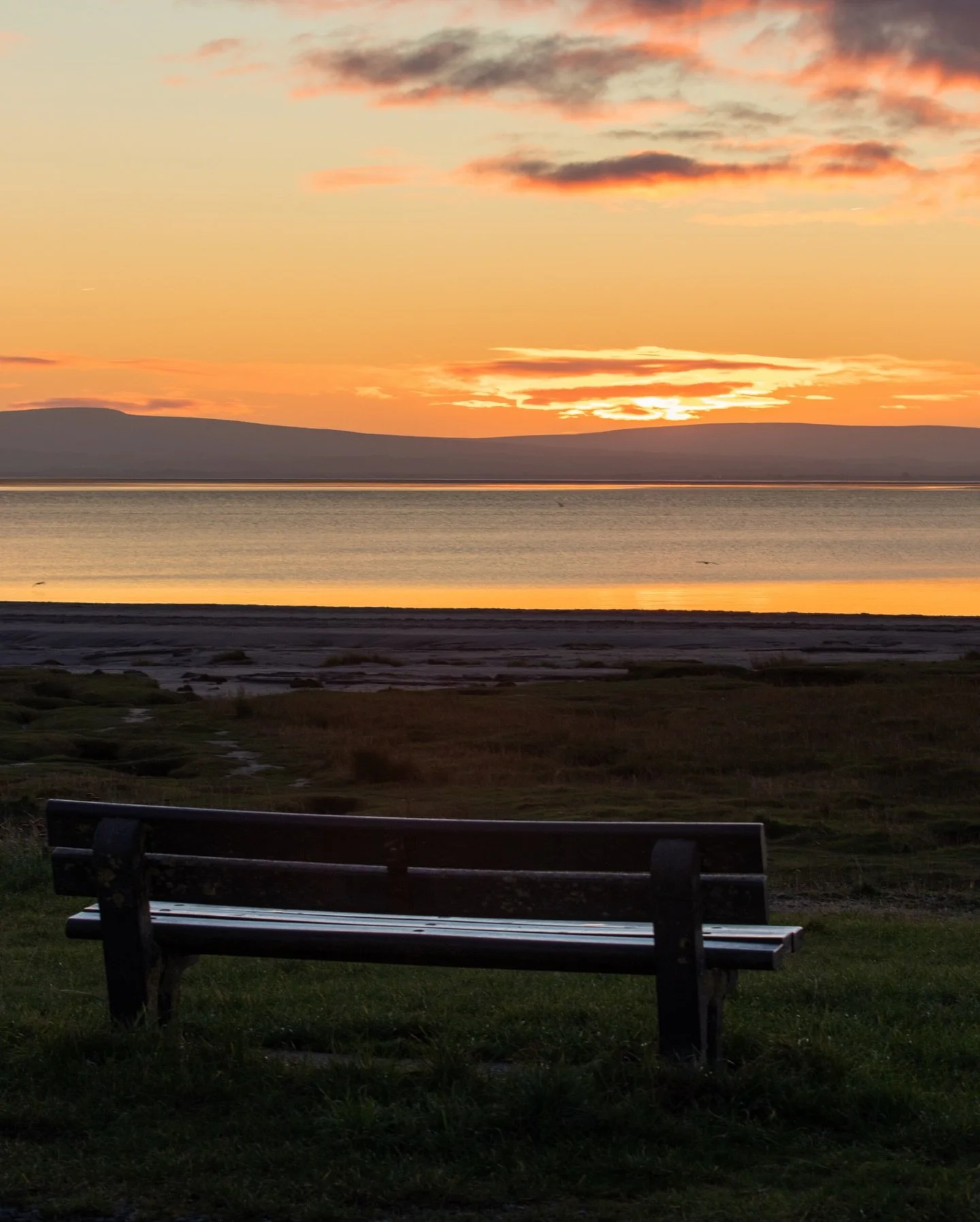
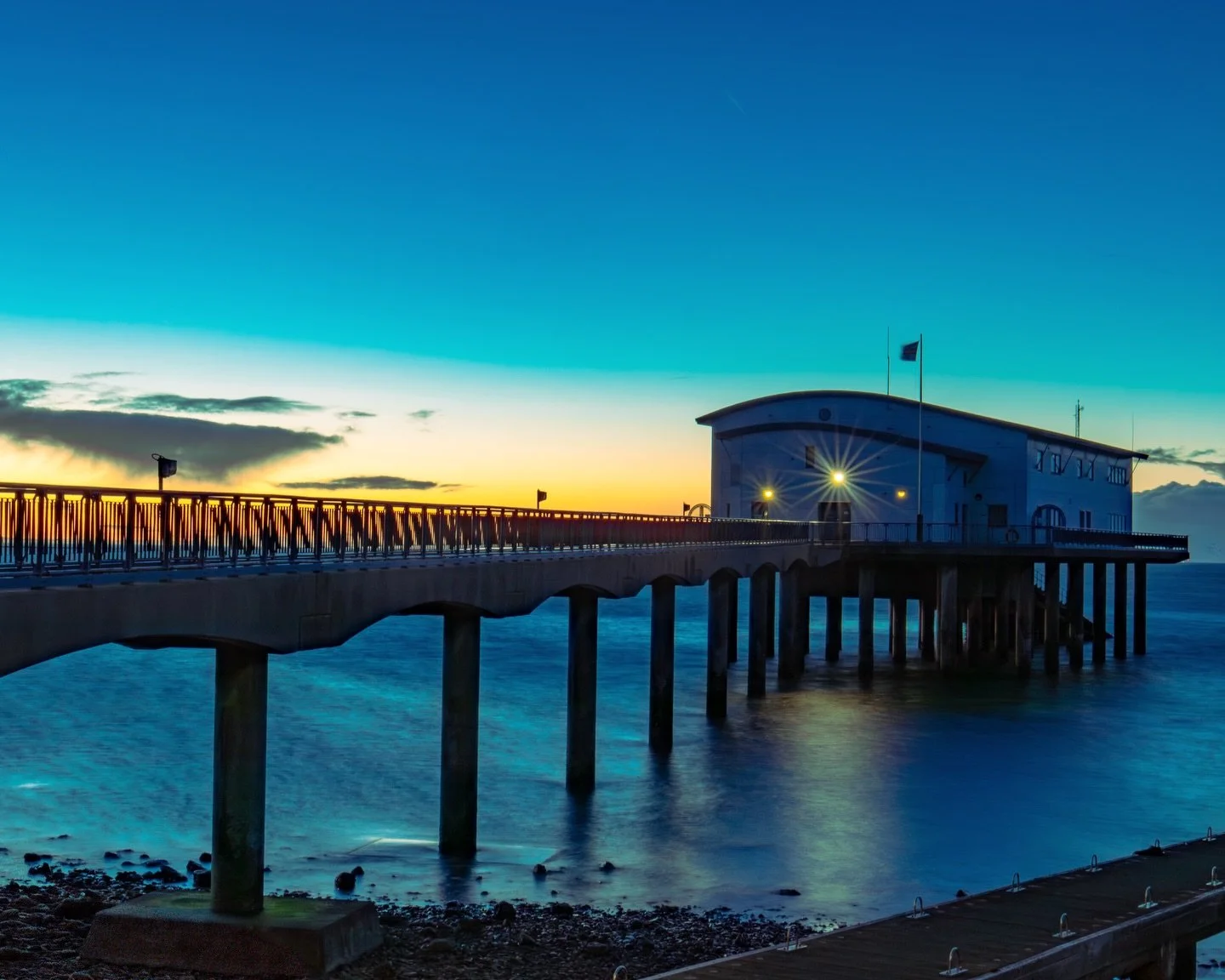
So yes, bokeh is great. It can add depth, separation and mood. It can simplify a frame and guide the viewer’s eye exactly where you want it to go. But it shouldn’t be the goal in itself.
The next time you’re tempted to shoot everything wide open, ask yourself a simple question: If this image didn’t have bokeh, would it still work?
If the answer is yes, then the blur is doing its job.
If the answer is no, then maybe it’s time to stop obsessing over the out-of-focus bits and pay a little more attention to the part of the image that actually matters.
If bokeh is something you want to have in your images, then try these lenses…


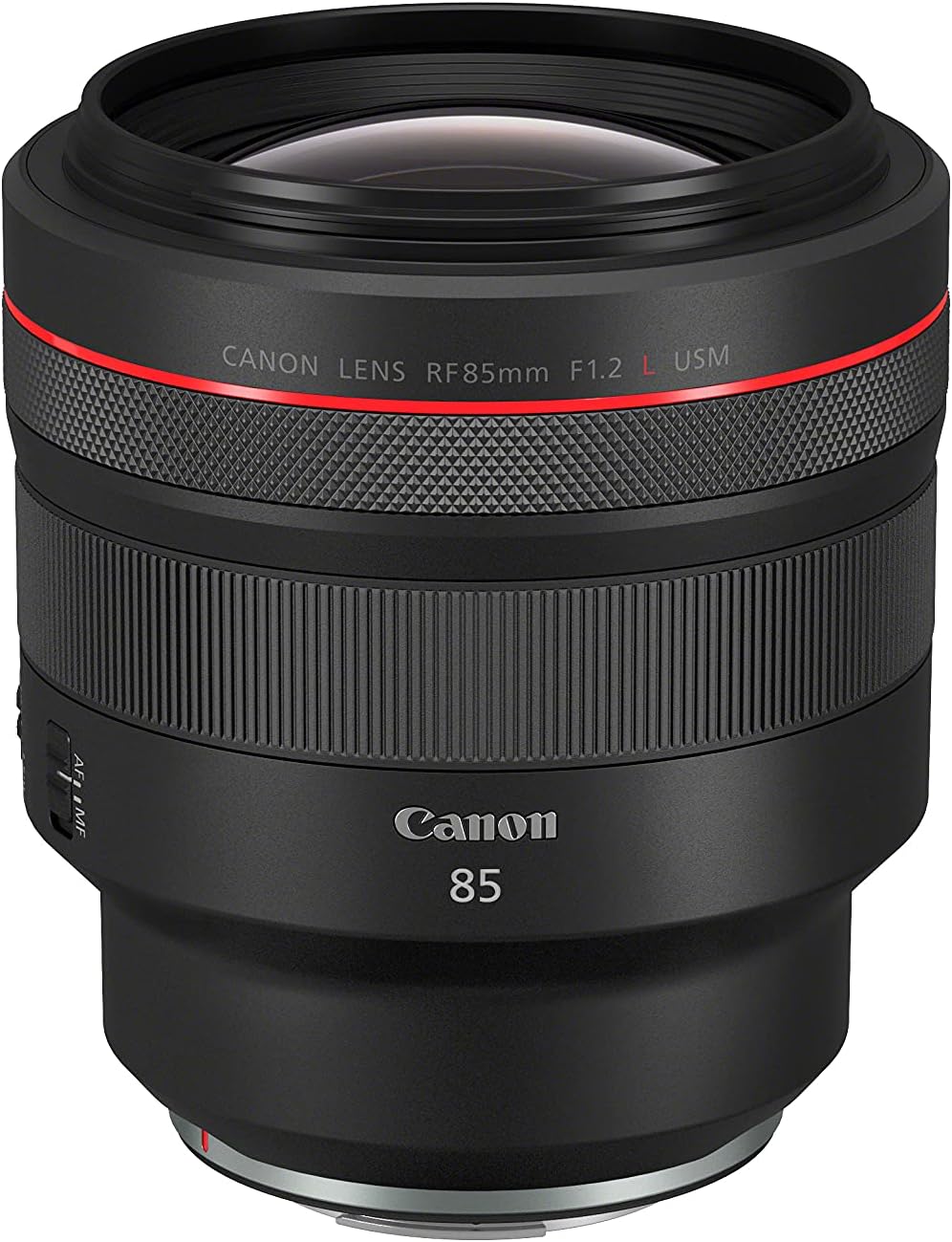

I have written a review of the Canon 85mm f/1.2 which you can read by clicking here. Spoiler alert, this is a great lens, which doesn’t shoot every wide open and is super sharp shot either wide open or stopped down and creates some incredible images. If you’re shooting portraits a lot then this is real must have for you.
Thanks for reading, I hope you found this useful/insightful! If you’d like to be the first hear about new blogs and reviews and to keep up to date with what I am doing and see my latest work, please consider signing up to the mailing list via the contact page.
If you’d like to support the blog and help me keep producing Lake District photography content, honest gear reviews and regular website updates, you can do so via my Buy Me a Coffee page. Keeping everything running smoothly takes time, and your support makes a real difference. Thank you.
Check out some of my other blog posts below: