The 50mm Lens: Why You Should Own a Nifty Fifty.
If you’re new to photography and starting to build your lens collection, chances are you’ve already heard of the Canon 50mm f/1.8, better known as the “nifty fifty”.
Canon doesn’t publish sales figures, but within the photography world it’s widely regarded as one of the best‑selling lenses of all time. And after using one for years, it’s easy to see why.
It’s cheap, it’s sharp, it’s lightweight, and it quietly delivers results far beyond what its price tag suggests.
So why should landscape photographers care about a lens that’s often associated with portraits and street photography?
Let’s take a look.
Incredible Value for Money
The biggest reason for the popularity of the nifty fifty is simple: it offers ridiculous value.
A brand new Canon 50mm f/1.8 will set you back around £130. On the second‑hand market, earlier versions regularly appear for £70–£80. For a fast prime lens with a wide f/1.8 aperture, that is exceptional.
You can even pick up the f/1.4 version for under £100 if you shop around. At the time of writing, I’ve seen one in very respectable condition on MPB for £98.
For beginners, it’s a no‑brainer. For more experienced photographers, it’s one of the cheapest ways to add a genuinely useful creative tool to your kit.
A Fast Prime That Punches Above Its Weight
The 50mm f/1.8 is a prime lens, meaning it has a fixed focal length. Prime lenses are typically sharper than zoom lenses due to their simpler optical design, fewer moving parts, and better light transmission.
Add to that the wide f/1.8 aperture and you have a lens that performs brilliantly in situations where many kit lenses struggle:
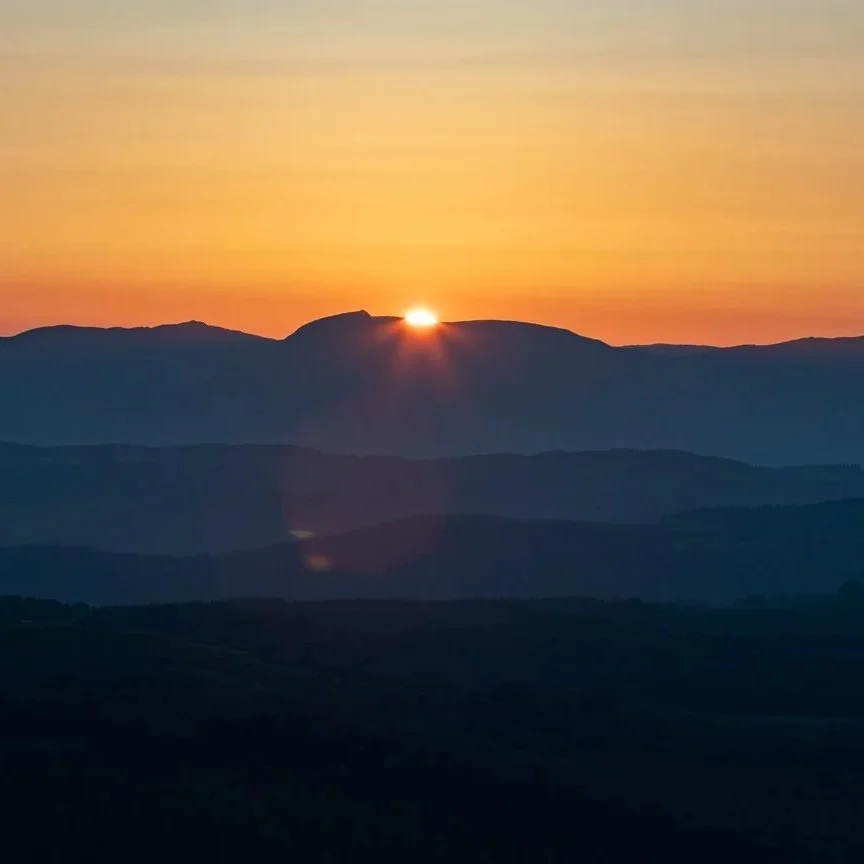
Early morning sunrises
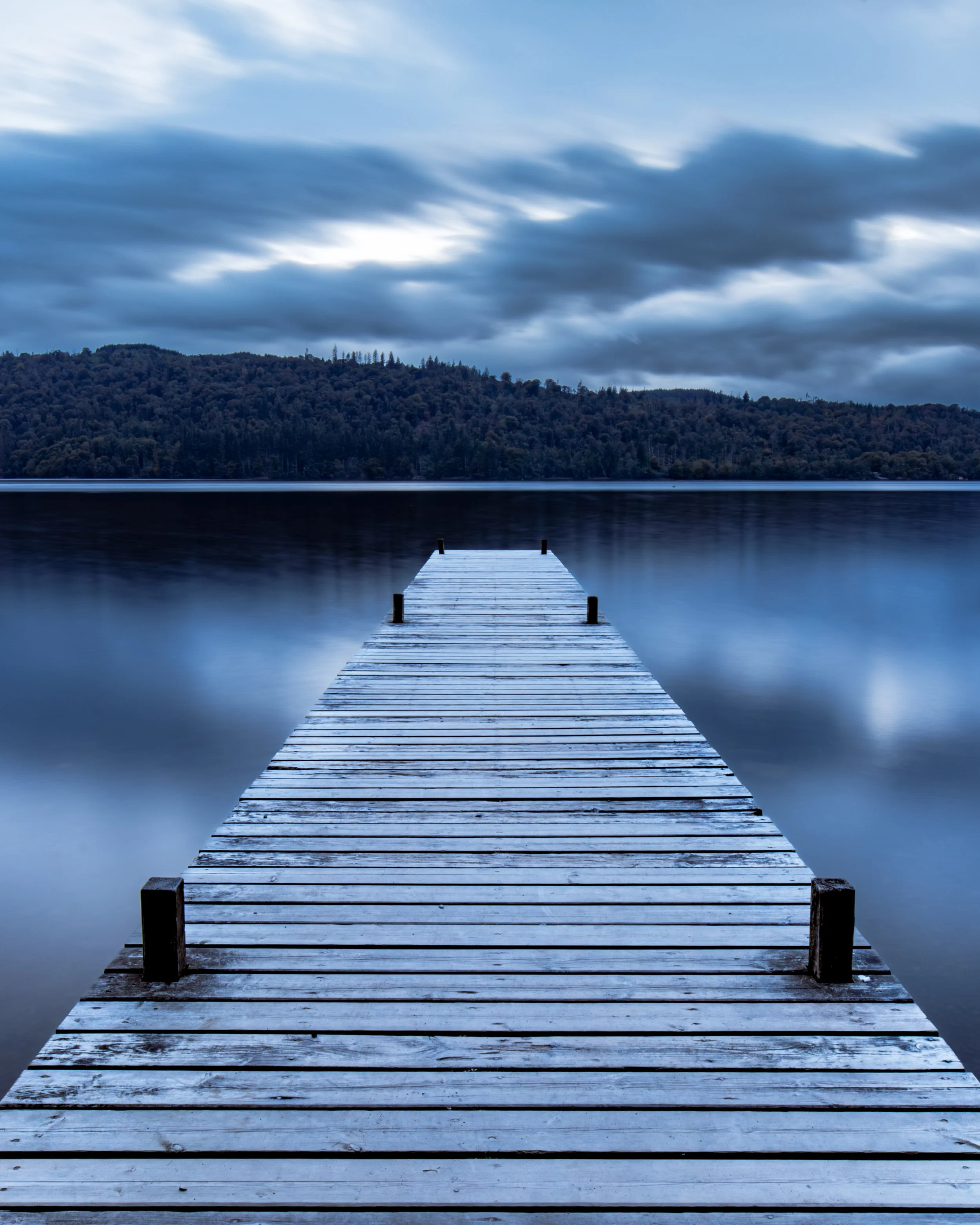
Blue hour landscapes
Woodland and valley scenes
Overcast conditions
Low‑light detail shots
For landscape photography, this is incredibly useful. You are not always shooting at f/11 on a tripod. Sometimes the light drops, the weather rolls in, or you want to isolate a subject within the scene. This lens gives you that flexibility.
It also produces surprisingly pleasing background blur, which is ideal for isolating trees, rock formations, buildings, or distant ridgelines against softer surroundings.


Small, Light, and Perfect for Hiking
This is one lens that is always in my bag.
It weighs next to nothing, takes up very little space, and is ideal for long walks and mountain hikes where every gram matters. When I’m out in the Lake District, I’d much rather carry a small prime than another heavy zoom lens “just in case”.
It’s also discreet. That’s a huge advantage for street photography, but it’s equally useful when shooting landscapes in busy areas. You can work without drawing attention to yourself, which helps you stay focused on composition and light.
If you shoot on a crop‑sensor camera, the 50mm behaves more like an 80mm lens, giving you extra reach for tighter compositions and compressed perspectives, which are fantastic for picking out layers in the landscape.
A Different Way of Seeing the Landscape
Wide‑angle lenses dominate landscape photography, and for good reason. But relying on them exclusively can become limiting.
A 50mm lens forces you to slow down and look for smaller scenes within the bigger picture:
Light breaking across a distant hillside
Mist rolling between trees
Patterns in rock and stone
Isolated barns or buildings
Subtle changes in colour and texture
This approach is often referred to as intimate landscape photography, and it’s one of the most rewarding ways to develop your eye as a photographer.
The perspective feels natural and balanced, very similar to human vision, which often results in images that feel calm, deliberate, and well composed.
Surprisingly Useful in the Studio
Although it’s best known as a general‑purpose lens, I also use my 50mm regularly in the studio.
It works particularly well for product photography and still life work. When stopped down to f/5.6 or f/8, it becomes impressively sharp, with good contrast and minimal distortion. More than good enough for commercial use and online stores.
Once again, this comes back to the strengths of a simple prime lens design. Canon has refined this optical formula for decades, and it shows.
Are There Any Downsides?
At this price point, a few compromises are inevitable:
Plastic build quality on the f/1.8 models
No weather sealing
Slight softness wide open at f/1.8
No image stabilisation
In real‑world use, these are minor trade‑offs. Stop the lens down slightly and the image quality improves dramatically.
Final Thoughts
The Canon 50mm f/1.8 has earned its reputation.
It’s affordable, lightweight, sharp, and endlessly useful. For landscape photographers, it offers a refreshing alternative to ultra‑wide lenses and opens the door to more thoughtful, detail‑focused compositions.
Whether you’re photographing sweeping views in the Lake District or subtle moments of light and texture closer to home, this little lens is capable of producing genuinely beautiful results.
If you don’t already own one, it may well be the best value upgrade you can make to your photography kit.
Thanks for reading, I hope you found this useful/insightful! If you’d like to be the first hear about new blogs and reviews and to keep up to date with what I am doing and see my latest work, please consider signing up to the mailing list via the contact page.
If you’d like to support the blog and help me keep producing Lake District photography content, honest gear reviews and regular website updates, you can do so via my Buy Me a Coffee page. Keeping everything running smoothly takes time, and your support makes a real difference. Thank you.