How to Read a Landscape Photo…Like a Photographer
In this blog I want to talk about how we look at photographs and then look at how we read a photograph.
When most people look at a landscape photograph, the see what it is, but when a photographer looks at that same photograph, they will see why it works, or perhaps even why it doesn’t. It’s important to remember that personal taste comes into this in a big way, but there are some things upon which we can often agree.
Learning to read a photo is one of the best and most useful things you can do as a landscape photographer. It will improve your photography and will help you to make much more progress than buying any gear ever will. It will help you to ‘see’ like a photographer and you’ll be composing before you have even picked up the camera.
This isn’t about analysing photos in some kind of academic or complicated way; it’s about slowing down and asking a small number of simple, practical questions.
tl;dr
Reading a landscape photograph means paying attention to where your eye goes, how the frame is structured, how the light is working, and what’s been left out. Practising this with other people’s images helps you make better decisions in your own photography — before you even lift the camera.
Start With Where Your Eye Goes First
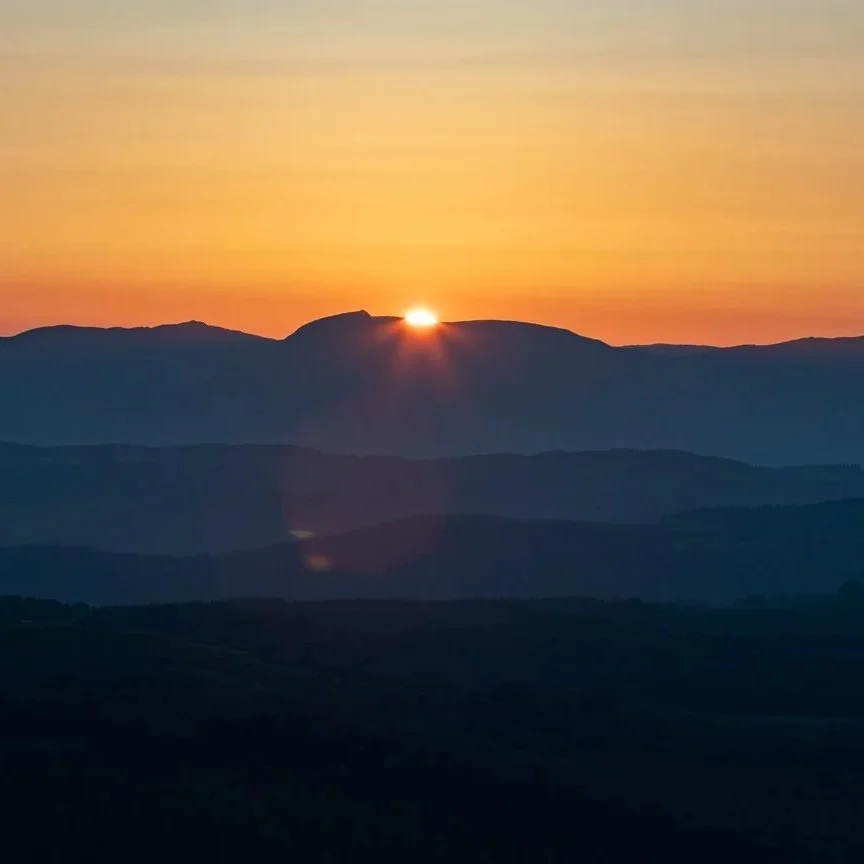
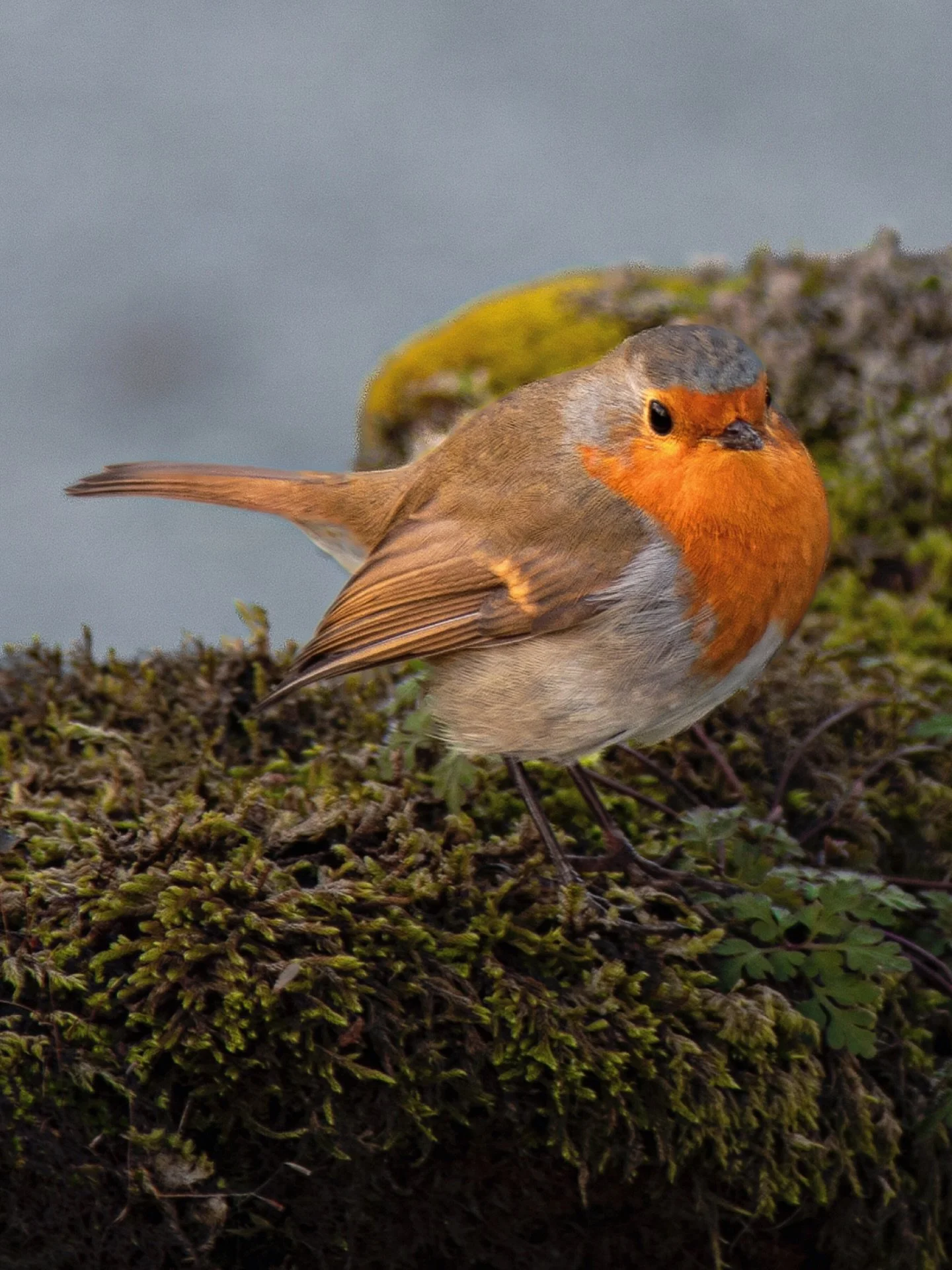
When you first see an image, notice where your eye lands first. What is the first thing you see in the image?
Are you drawn to a bright area? A specific shape? A patch of contrast or colour?
This isn’t an accident. Usually. The photographer has done one of the following things:
Used light to guide your attenion
Places a clear subject deliberately
Arranged elements so your eye ‘settles’ naturally.
If your eye doesn’t know where to rest, then this can often be a sign that the image lacks a clear point of interest.
One thing I started to ask myself when I began taking photos was “what is this is a picture of”. Sometimes I did it whilst I was out shooting, sometimes it would happen in the edit. It is, (I like to think) a habit that has served me well and is something that I will continue to do.
It can be really helpful to look at a book of photography and start to unpick some of the photos that you’re looking at, I’ve made a list of my top 10 favourite photo books, take a look and maybe treat yourself!

Look at How the Frame is Structured
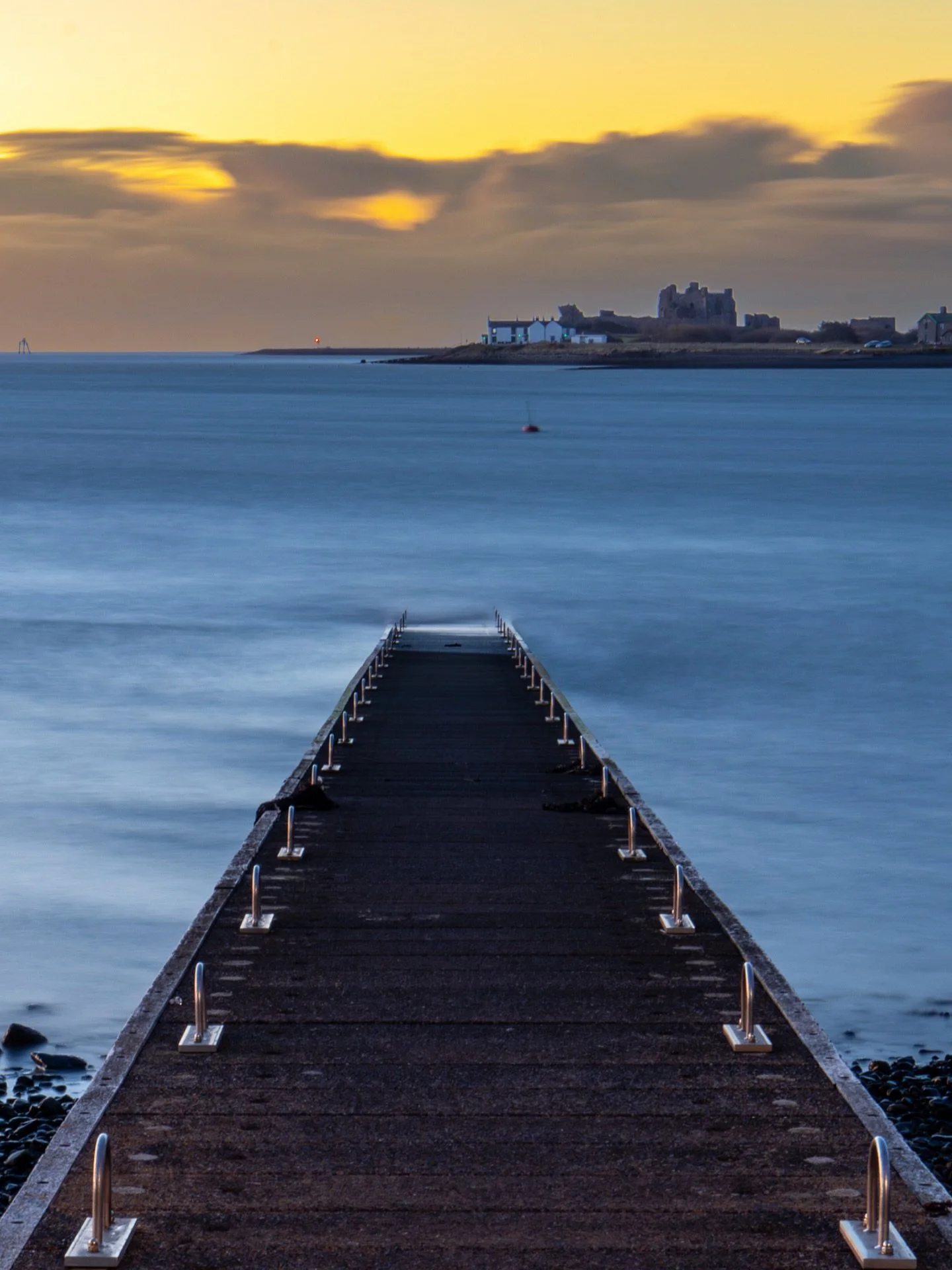
Now you’ve noticed where your eye has landed, look at how the frame is structured.
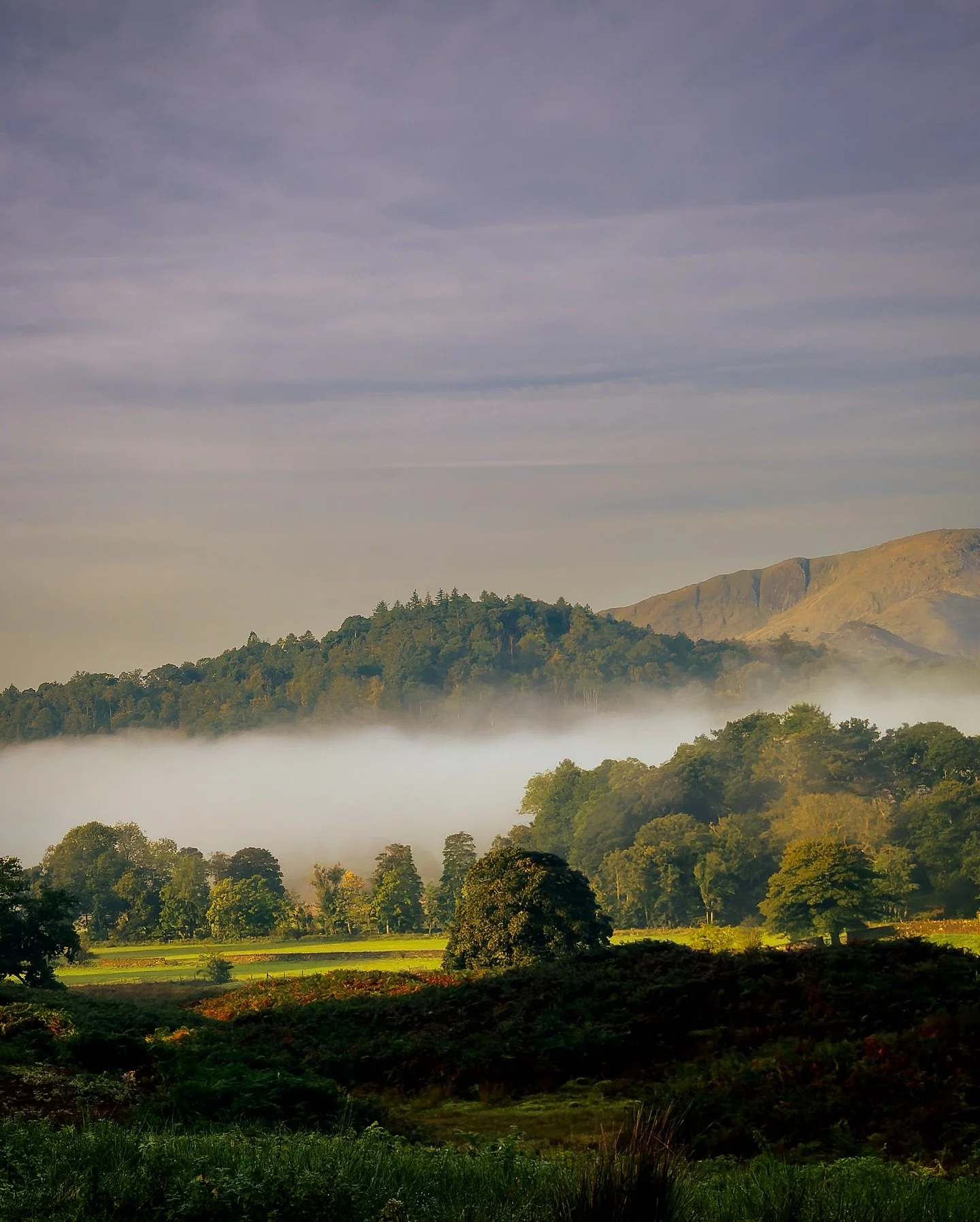
Many successful landscape photos have a sense of structure, even it feels natural, you can be almost certain that it’s been done with purpose.
Things to look for here include:
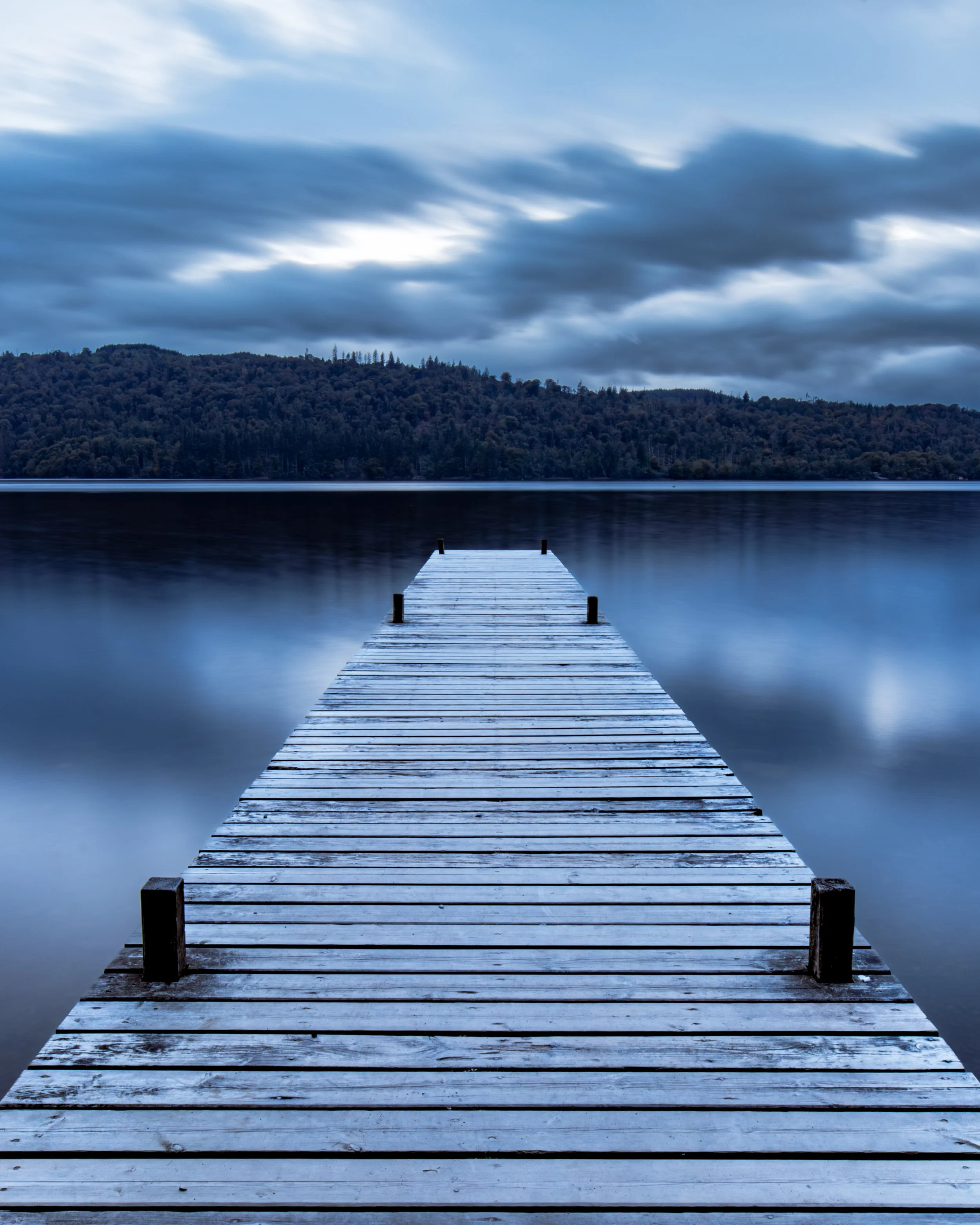
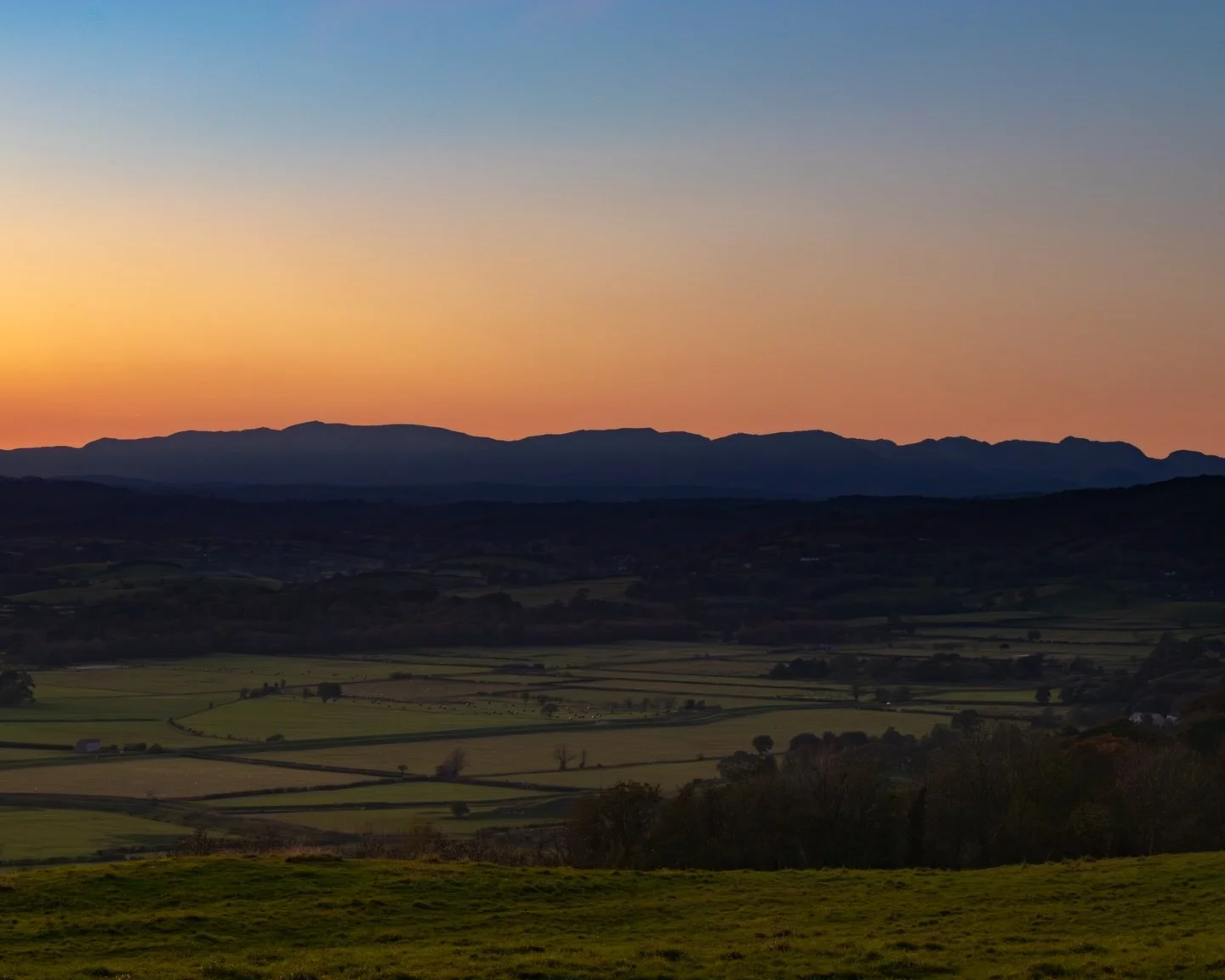
A foreground element that anchors the scene
Middle ground that adds context
A background that gives scale or atmosphere
This isn’t to say that all images need to have all 3 of these, but when they’re not there, an image can feel flat or unfinished.
Ask yourself whether each part of the frame (foreground, mid ground and background) is doing something useful.
Pay Attention to the Light, Not Just the Subject
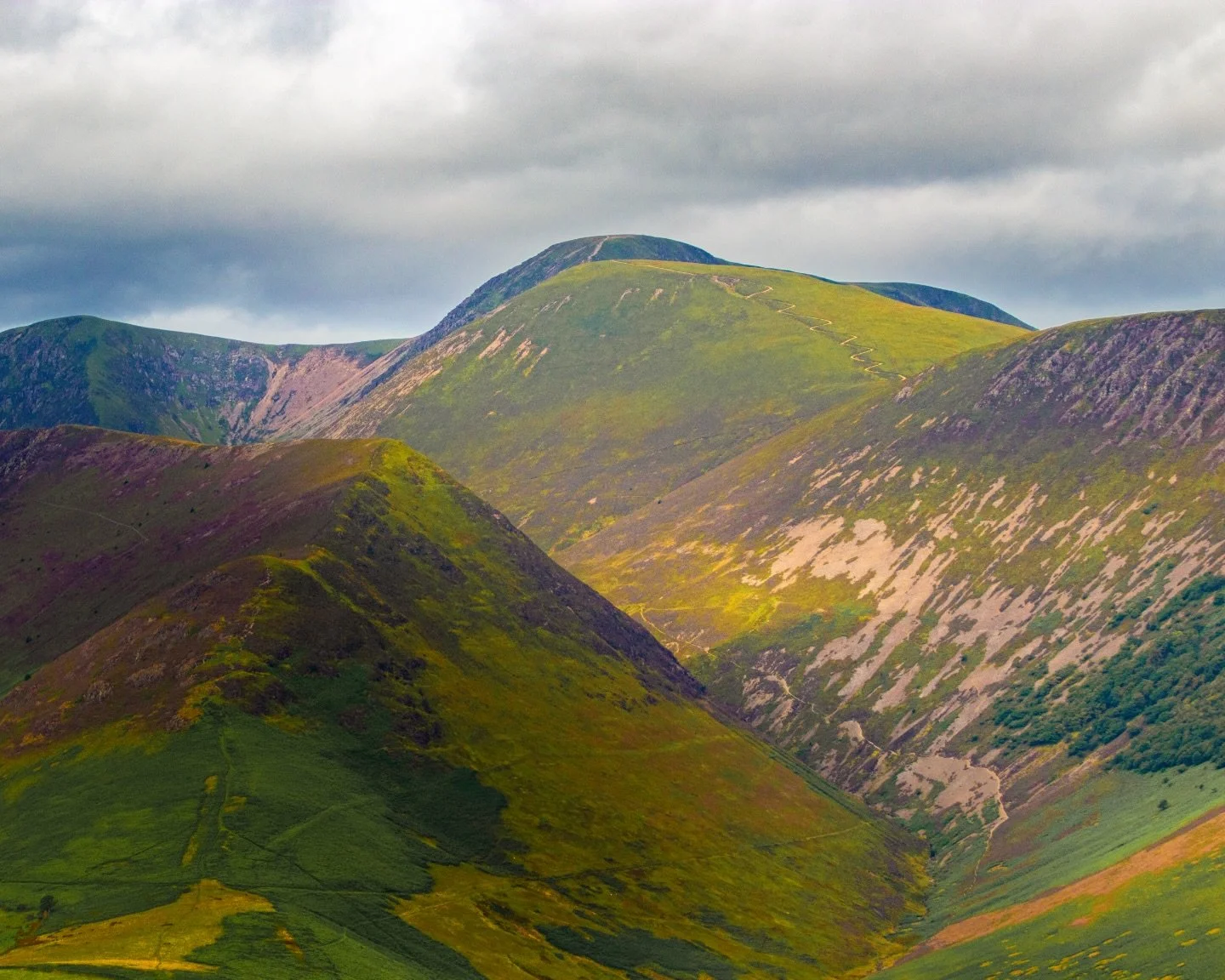
In landscape photography, the light is often the star of the photo. In the Lake District, we get some great light and a photo of the light hitting the side of a fell or highlighting a peak can steal the show.
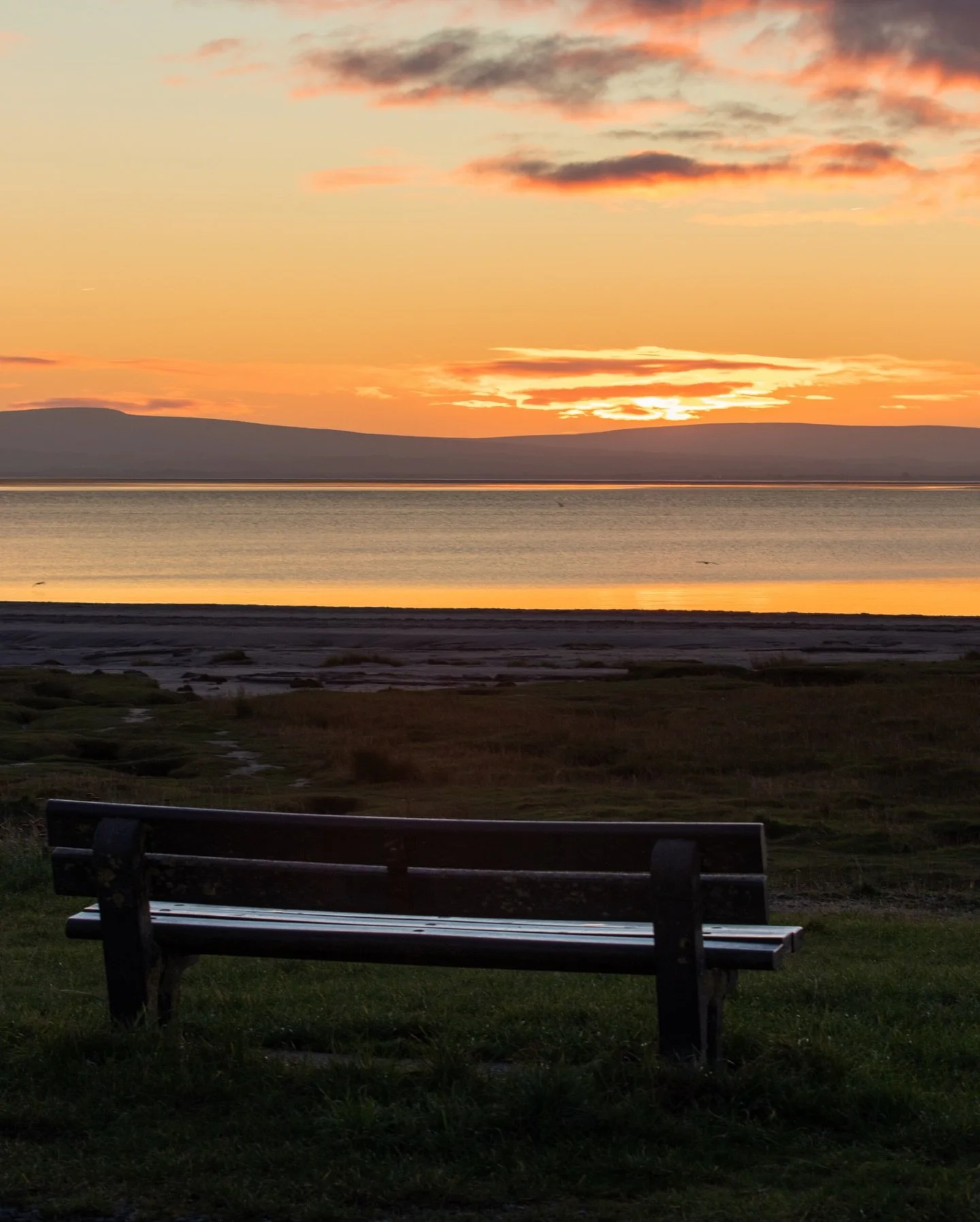
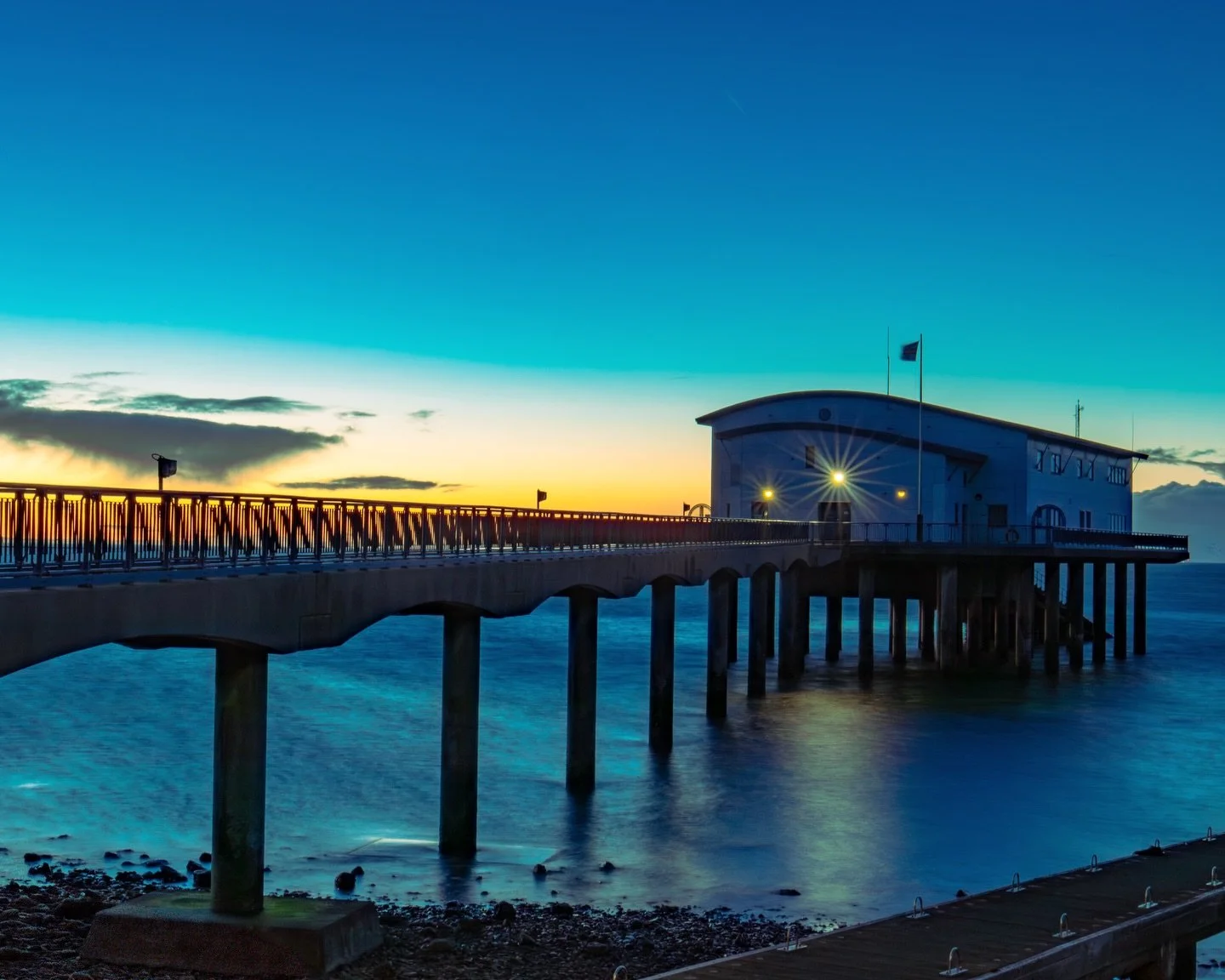
When you're looking at an image, look at where the light is coming from. Is it hard or soft? Is directional or is it flat? Is it warm or is it cool? All of these things add character and drama to an image.
Light creates shape, texture and mood. It adds beauty and texture to the simple, it’s create mood and highlights/creates texture.
If the light feel dull, flat or unhelpful, even the most beautiful scene can struggle to make great photograph.
Notice What’s Been Left Out
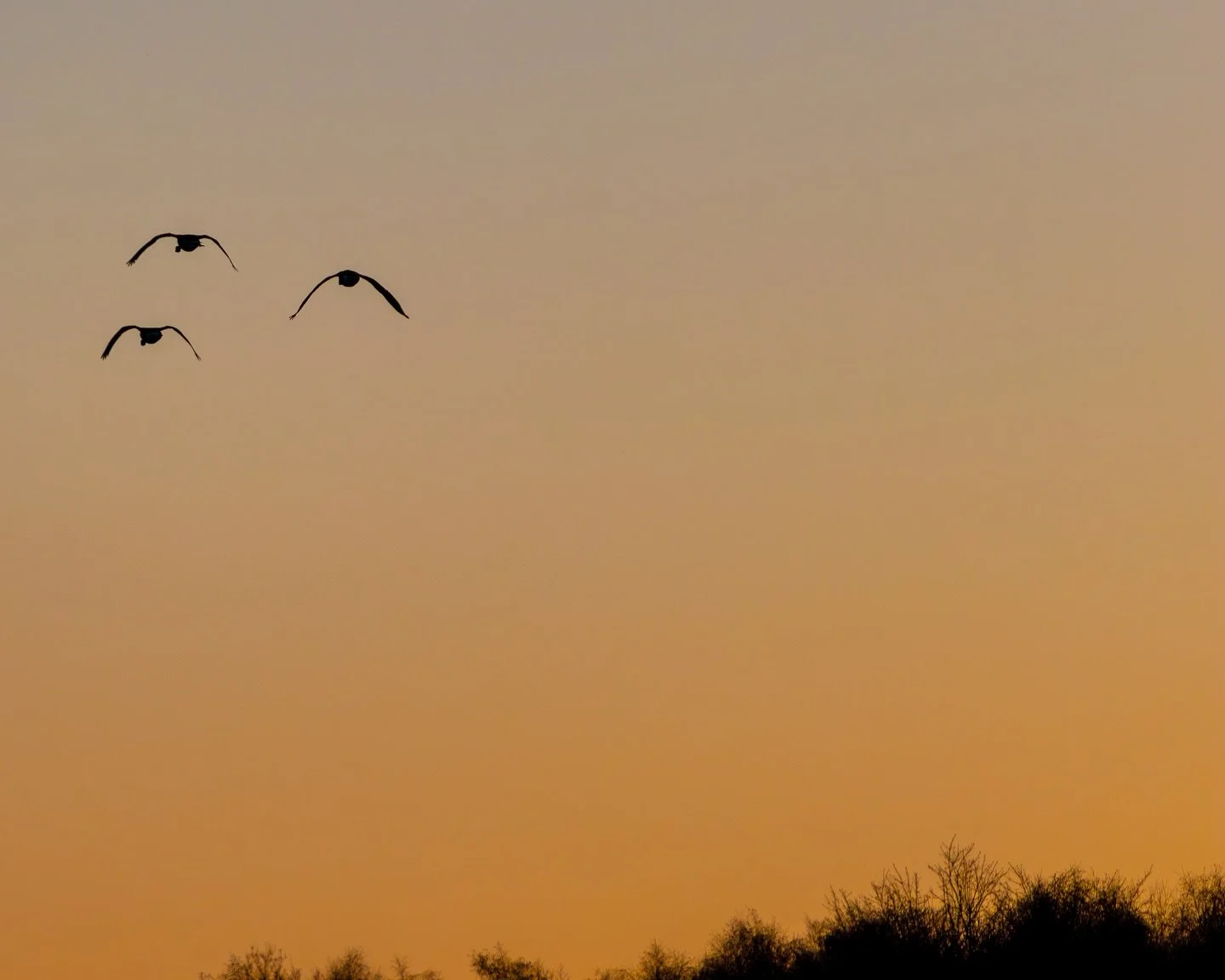
What isn’t there is just as important as what is in there. The photographer has chosen to exclude something from the scene, and that’s important.
The restraint shown in not including something in an image can be the different between a snapshot and a photograph.
Look at the edges of the frame. Are they cluttered? Are there distractions pulling your eye away from the subject? Has the scene been simplified?
The reason that many strong landscape photos seem so calm is because the unnecessary elements have been left out.
Think About Timing and Conditions
In landscape photography, the when is just as important as the where.
Ask youself:
What time of the day was the image taken?
What are the weather conditions doing?
How might this scene look different if it were taken an hour earlier or later?
In places like the Lake District, timing is often everything. Mist, changing cloud, or brief breaks in the weather can completely transform a scene.
Reading photos with this in mind helps you plan your own shoots more effectively.
Ask What the Photographer Was Trying to Say
Finally, try to step back and think about intent.
Not every photograph needs a deep meaning, but most successful images have a sense of purpose. The photographer is responding to something — light, mood, scale, stillness, drama.
Consider:
What does this image feel like?
What drew the photographer to this moment?
What made this worth photographing?
This isn’t about right or wrong answers. It’s about engaging with the image rather than just scrolling past it.
Why This Matters for Your Own Photography
The more time you spend reading other people’s photographs, the better you become at making your own.
You start to recognise patterns. You notice light more quickly. You become more selective, more patient, and more confident in your decisions.
Most importantly, you stop relying on luck.
Reading landscape photos teaches you how to see — and that’s where good photography really begins.
Final Thought
Reading landscape photographs is really about learning to slow down. The more time you spend looking carefully at images — your own and other people’s — the more intentional your photography becomes. You start to notice light earlier, recognise when a scene isn’t working, and understand when it’s worth waiting or walking away. Over time, this way of seeing carries over into the field, and you find yourself making fewer rushed decisions and more considered ones. That shift, more than any setting or piece of kit, is what leads to stronger landscape photographs.
If you’ve found this useful, you can sign up to my newsletter for occasional thoughts like this, along with photography insights and updates from the Lake District. And if you’d like to support the work, you can also buy me a coffee — it helps keep these articles going and is always appreciated.

Check out some of my other blog posts by clicking the links below: