Chasing the Perfect Image is Ruining Your Landscape Photography.
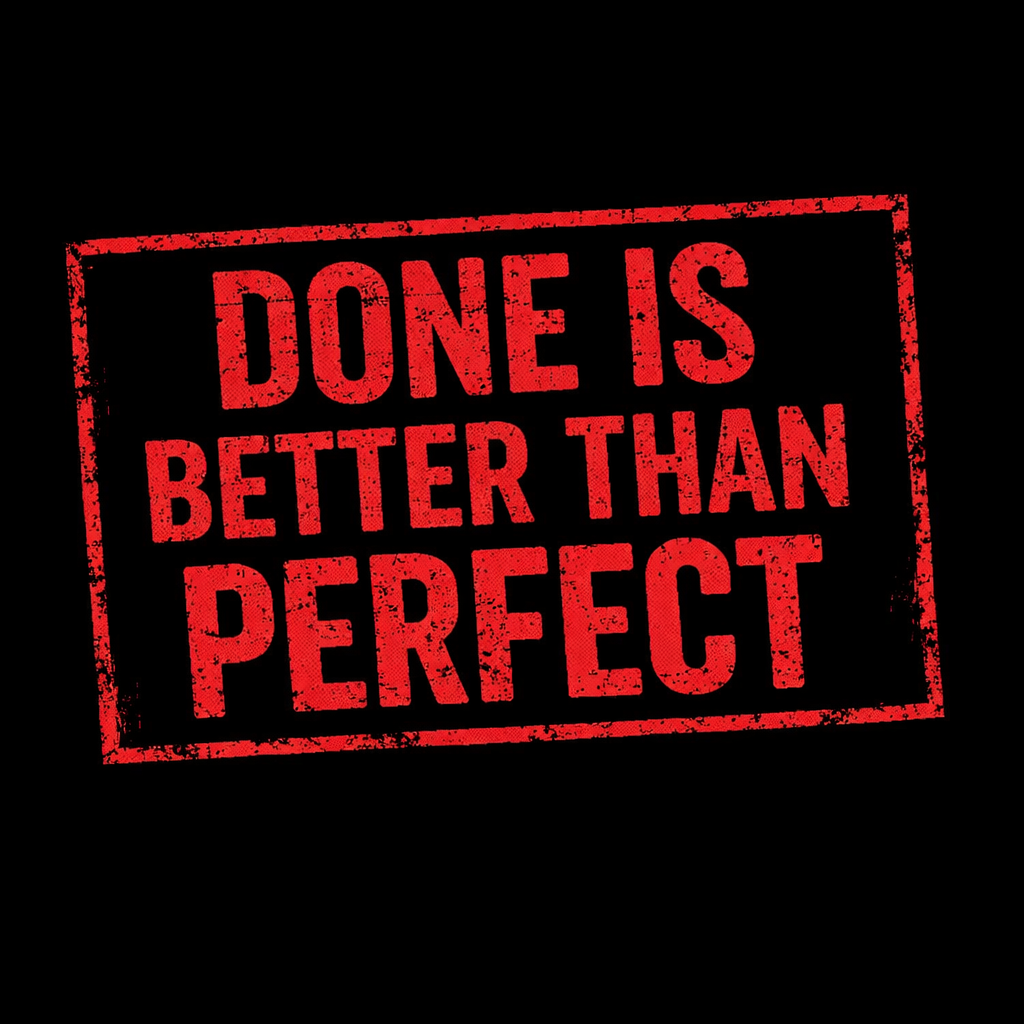
Quite a dramatic title, but I think it’s true. I did have another blog lined up called “Done is Better Than Perfect”, but I figured out that these two had a lot of crossover, so I am putting it all into this one.
We all want it, we all chase it and so often it eludes us. But does it elude because we don’t know what it is? Yes, there’s a massive element of subjectivity in this; what pleases one person, doesn’t please 5 others - everyone has an opinion, and they aren’t afraid to share them, especially in this era of social media.
A good question to start with could be “What makes the perfect image?”, but it’s a question that doesn’t have a good answer. Ask 100 photographers and they will all talk about things like composition, exposure, texture, aspect ratio, focus… If it’s a variable in photography, one of those 100 people will mention it. Show the same people a selection of 10 images and you won’t be able to get them all to agree on one of them as being an example of a perfect photo.
It’s also worth looking at images that are ‘technically perfect’, that is to say that they are properly exposed, they’re clean and they’re sharp.
When we start to look at the creative decisions like composition, colour, light and framing (to name but a few), personal tastes start to play a huge part and everyone has their preferences, their opinions and they aren’t often afraid to share them!
Why do we chase perfection?
It’s what artists do. Being a musician ‘by trade’ this is something with which I am all too familiar. We practice and we practice and we practice. And then we practice some more. Then when we’re ready, we go out and we perform, be that as a soloist or as part of ensemble. After the performance, we reflect, we got to production meetings or we turn up to the next rehearsal and we pick apart the performance and we think about all of the things we would do differently and what strategies we need employ to improve.
I think the same is true in photography, although we’re usually working in much more isolation than musicians. We got out, we shoot, we edit, we critique, we pick our best ones and we print and/or share them. We get the feedback (often this is whether or not we have asked for it), we listen to the feedback and we go back and we go through the process all over again, and we go over it again because we love what we do.
The Problem with Chasing Perfection
Ask yourself this; is it achievable. If you answer ‘no’ to this, then what are you chasing? I think that we need to acknowledge that what we are chasing is an image that we think is perfect, but not everyone else will think so - and that’s OK!
The biggest problem with this chase, for me, is that we end up becoming frustrated. We can return to the same place day after day, after week, after month etc. and still not be happy with what we end up with; ‘I wish the light was better’, ‘I wish I had composed this slightly differently’, ‘I wish that I had used a different exposure time’ the list goes on. We listen to our own feedback and then we go back and we have another go.
This leads nicely to my next point, which is that if you are chasing a perfect version of an image that you have already shot, you will keep returning to the same spot. I know this because I am guilty of this very thing. The reason that doing this is detrimental to us is that if we are always at the same spot/s then it means we’re not out exploring, finding new subjects and finding
When is There a Case for Perfection?
When we’re in the studio, and not all of us are shooting in studio spaces.
This is the time when we can hunt for perfection, because it’s where we have the most control. In the right environment, we have control over everything and we can make exactly what we want (within reason). Our tripods and camera’s aren’t being blow about everywhere by the wind, the light isn’t changing every 5 seconds because we’ve got it dialled in and when it does change, it’s because we have changed it.
We also have many more ways to monitor what we’re doing. If we’re shooting tethered, we have ways that we can monitor exposure, we can use focus meters to make sure we are absolutely nailing it and we have bigger screens to be really certain.
The studio is where you should be aiming for perfection. Outdoors, we’re at the mercy of Mother Nature and this “hampers” our pursuit of perfection, we’re trying to tame natures it’s rawest form, and that’s what makes landscape photography a beautiful thing.
Why is Done Better Than Perfect?
When we aim for perfect, we set a moving target. The light could always be better, the composition could always be tweaked, the edit could always be refined just a little more. Perfection becomes a reason to delay, to hesitate, or to stay rooted in the same place chasing an image that may never exist. In that space, creativity stalls.
Done, on the other hand, is decisive. It’s the moment you accept that an image communicates what you intended, even if it isn’t flawless. Finishing work allows you to reflect, learn, and move forward. Each completed photograph becomes part of your wider body of work, and it’s that body of work — not any single “perfect” image — that shows growth, intent, and voice. Your growing body of work is a huge part of who you are as a photographer.
Most importantly, done keeps you shooting. It gets you exploring new locations, responding to new light, and taking creative risks. Photography isn’t built on endlessly refining one frame, but on making many frames, learning from each, and trusting the process. Perfect might be an idea, but done is where progress actually happens.
In Summary
Perfection is an easy thing to chase and a hard thing to catch, and more often than not it keeps us circling the same ideas rather than moving forward. At some point, an image needs to be finished, not perfected. Calling something done doesn’t mean lowering standards; it means recognising when a photograph has said what it needs to say. Growth comes from making work, sharing it, learning from it, and then going out to make the next image. Done is better than perfect, because done allows progress, and progress is what keeps creativity alive.
If there’s one takeaway from all of this, it’s that finishing work matters more than endlessly refining it. Calling an image done gives you the freedom to move forward, explore new places, and keep growing creatively. I’d love to know how this resonates with you — do you struggle with letting images go, or have you found a balance that works for you? Feel free to share your thoughts with me, pass this on to someone who might need to hear it, or simply head out with your camera and make the next image. Because progress doesn’t come from chasing perfection — it comes from showing up, creating, and moving on.
If this resonated with you, I share more thoughts like this, along with photography tips, behind-the-scenes reflections, and new work, through my mailing list. It’s where I can go a little deeper without the noise of social media, and you can sign up by clicking here. And if you’ve found this article useful and would like to support the work I’m doing, you can also visit my Buy Me a Coffee page — it genuinely helps me keep creating, writing, and getting out with the camera. However you choose to engage, thank you for reading, and remember: done really is better than perfect.