Should You Try Different Types of Photography?
My Photography Journey
I haven’t always been a Lake District landscape photographer. I haven’t always been a commercial photographer. But I have been a photographer in many different guises for a number of years.
When I first started out, I was still based in London and had only just bought my first proper camera. I was willing to photograph anything and everything — people, buildings, animals, puddles. I didn’t really care what it was, I just wanted to take photos (I still do, but now I’m a bit more selective), and I wanted people to like them.
I’ve mentioned before that when I first got my camera, I thought it was broken. It took me a little while to realise that I just wasn’t using it properly. I explored YouTube, learned a lot, and eventually got to grips with the exposure triangle. Once that clicked, things started to come together. The rest was simply practice.
Learning Through Practice
I practised at all times of day and night, across a wide variety of photography genres — cityscape photography, landscape photography, golden hour, blue hour, harsh sunlight, detail shots of the city, street photography, wet weather, cold weather, busy streets and empty streets. I worked in the studio with controlled light, used only natural light, and even shot an entire project out of the window of my flat during lockdown.
This variety was incredibly valuable. It helped me really get to know my camera — what it could do, what it struggled with — and it placed me on a very steep and rapid learning curve.
Dabbling in so many different styles of photography taught me to use my camera quickly. By that, I mean I got to know it instinctively: what the different modes did, how to navigate menus efficiently, and how to change settings without spending too much time looking down at the camera. That ability has stayed with me ever since.
Cityscape Photography
Cityscape photography was always my go-to. I loved being out in the city, both day and night, photographing the beauty of London in different conditions. One of my favourite images is still one I took on the South Bank, looking back towards the skyscrapers of the city.
Cityscape photography taught me patience and how to slow down, but it also taught me a huge amount about lenses and perspective. I learned how focal length changes the way a scene feels — how longer lenses create compression and make distant objects appear closer together — and how different lenses can distort a subject.
That understanding of compression and distortion has been incredibly useful, particularly when photographing people. It’s knowledge I still rely on today when shooting portraits and headshots in a commercial setting.
Long Exposure Photography
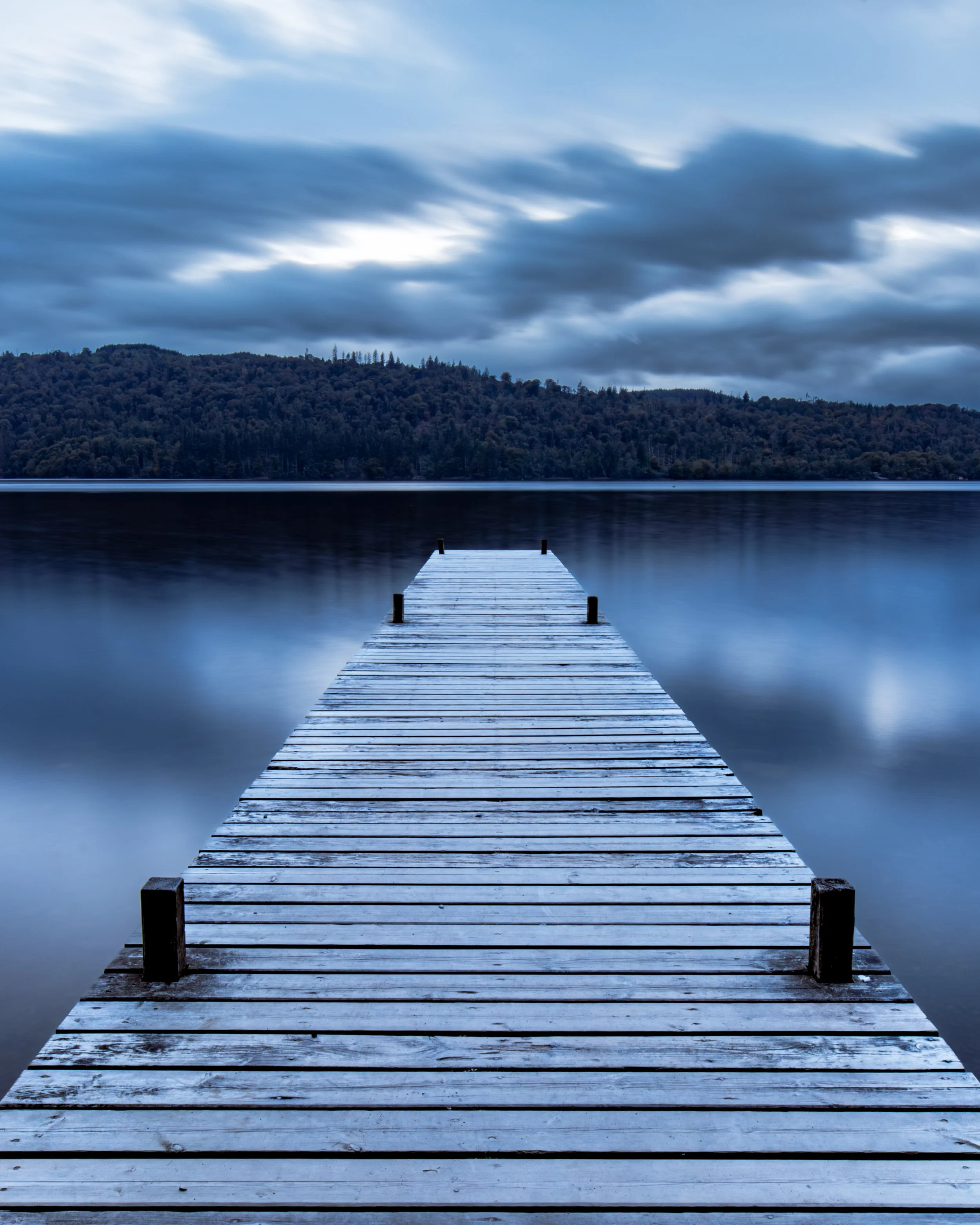
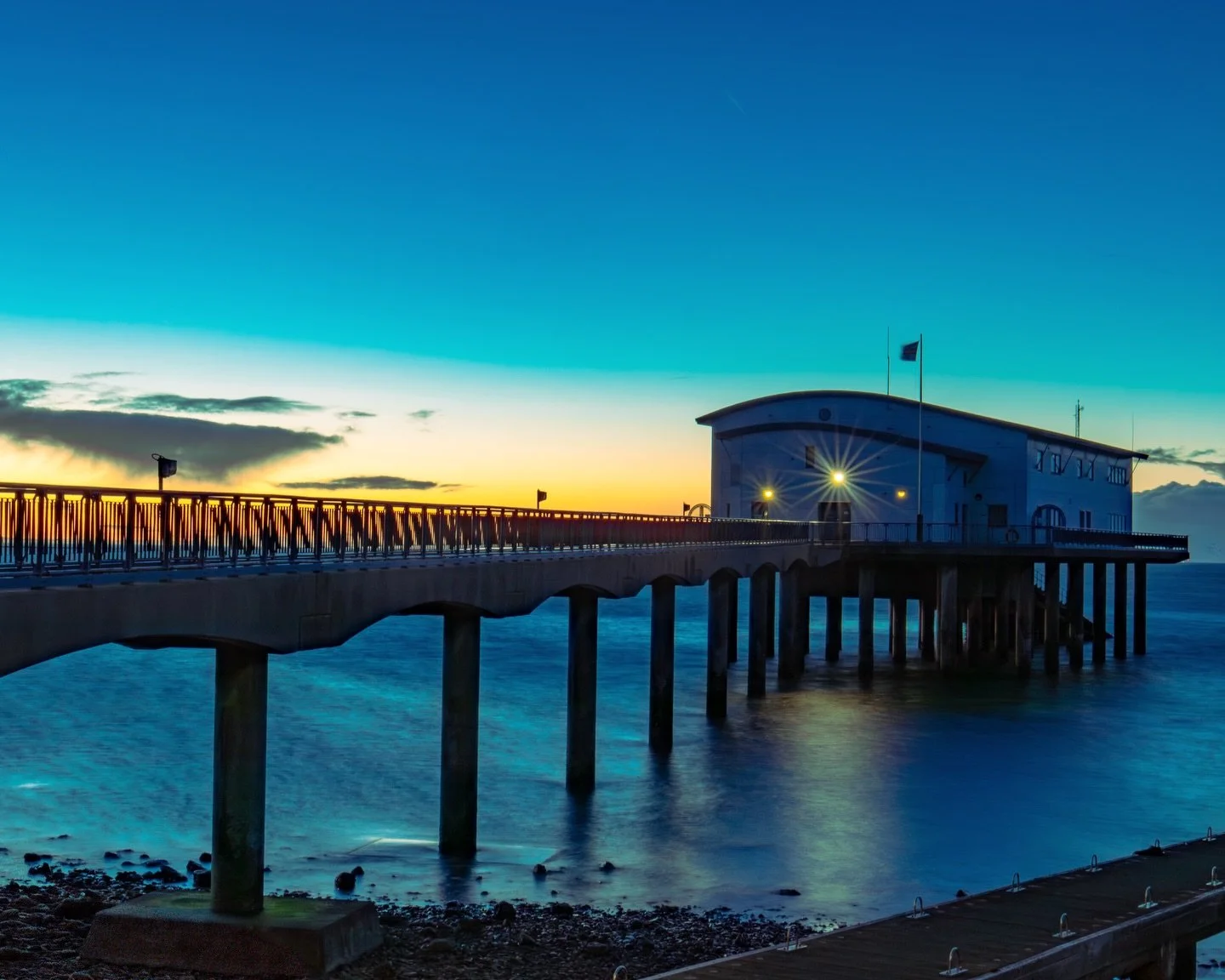
Long exposure photography was another favourite of mine. Shooting light trails, bus trails and wire wool photography was something I genuinely loved. I enjoyed the setup, the capture, the creativity, and the editing process afterwards.
This type of photography taught me a lot about composition and about how light, movement and subjects behave in different conditions. You can’t just photograph light trails and hope for the best — the surrounding scene still needs to work. The image needs structure, balance and intention.
It also taught me the rules of composition, and just as importantly, when and how to break them.
Street Photography
The biggest lesson street photography taught me was patience.
People are unpredictable and predictable all at the same time. If you have good light, sometimes you simply need to wait for something interesting to happen within it. At other times, you need to keep moving and actively look for opportunities — they’re not always going to come to you.
That idea of patience has been invaluable across all forms of photography, particularly landscape photography, and even when working in the studio. Knowing when to wait and when to act is a skill that transfers everywhere.
Landscape Photography
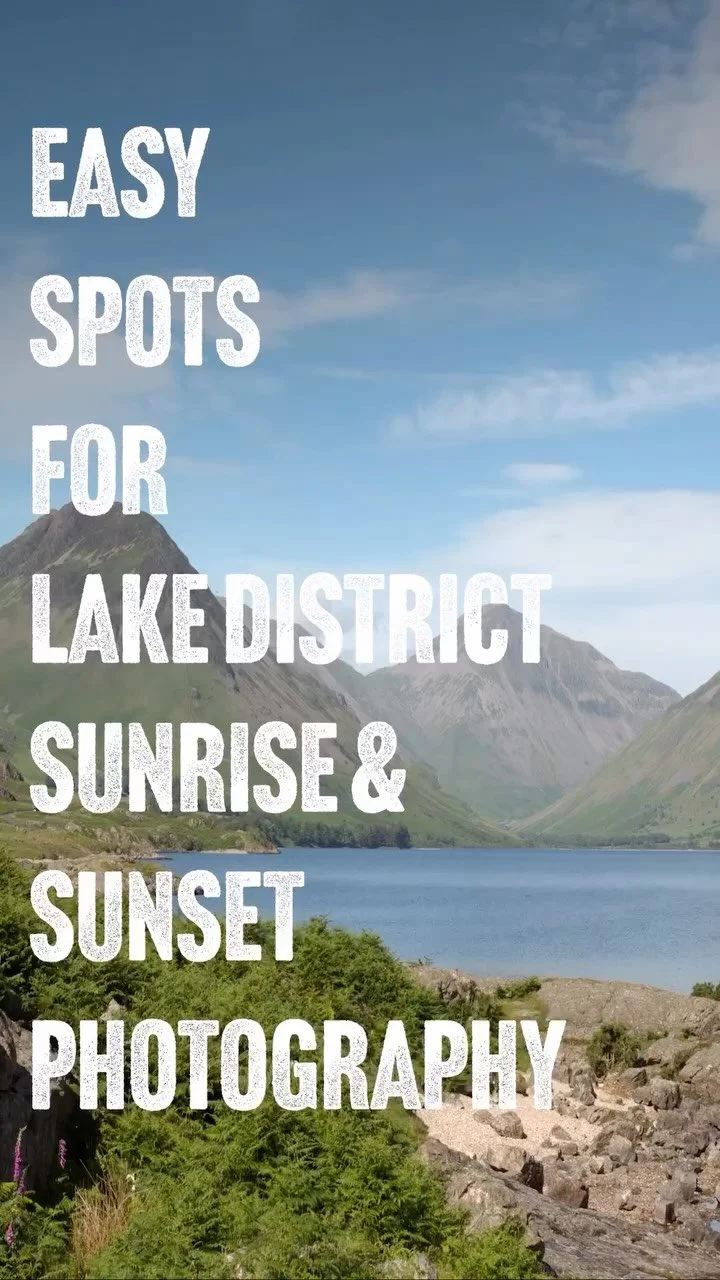
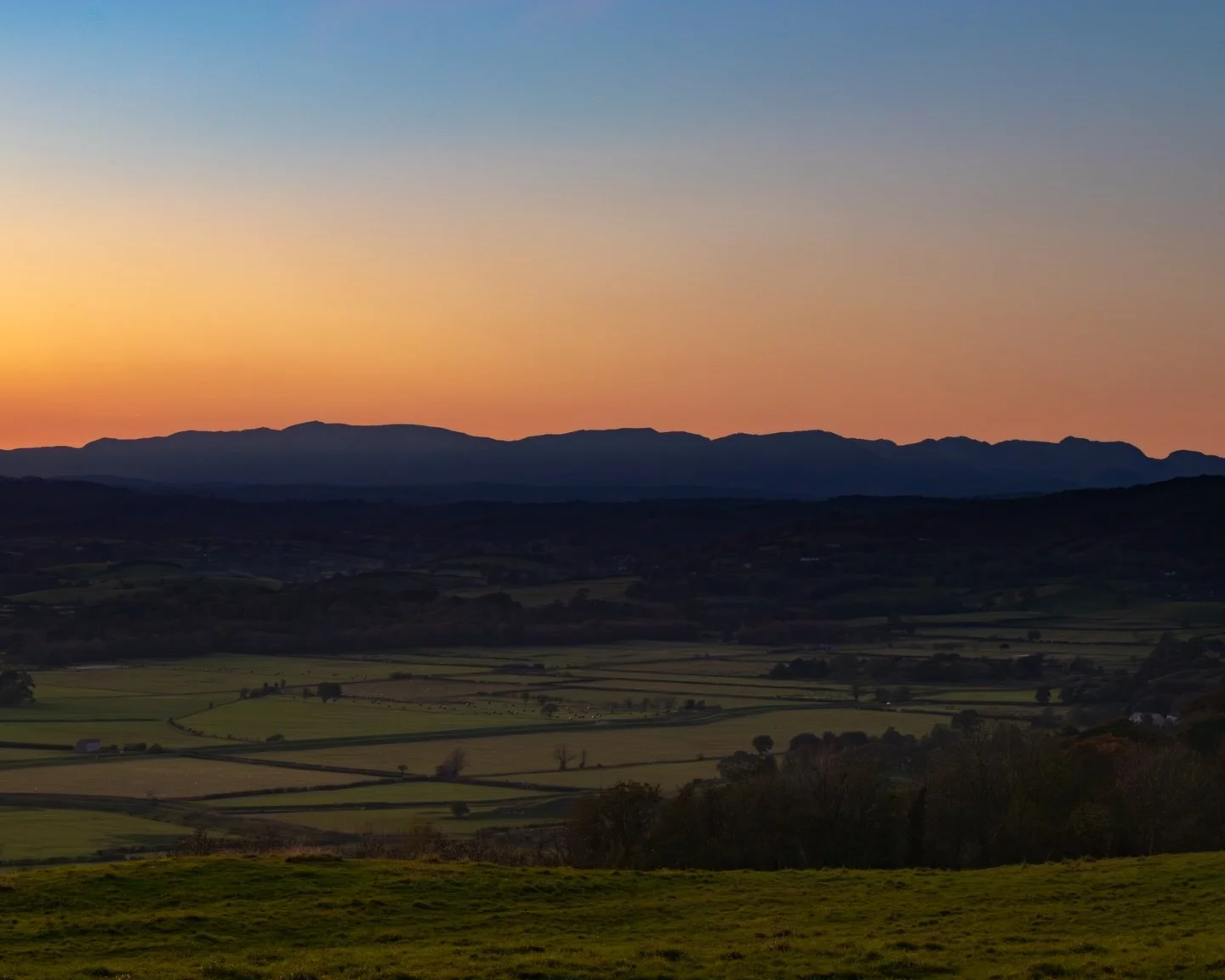
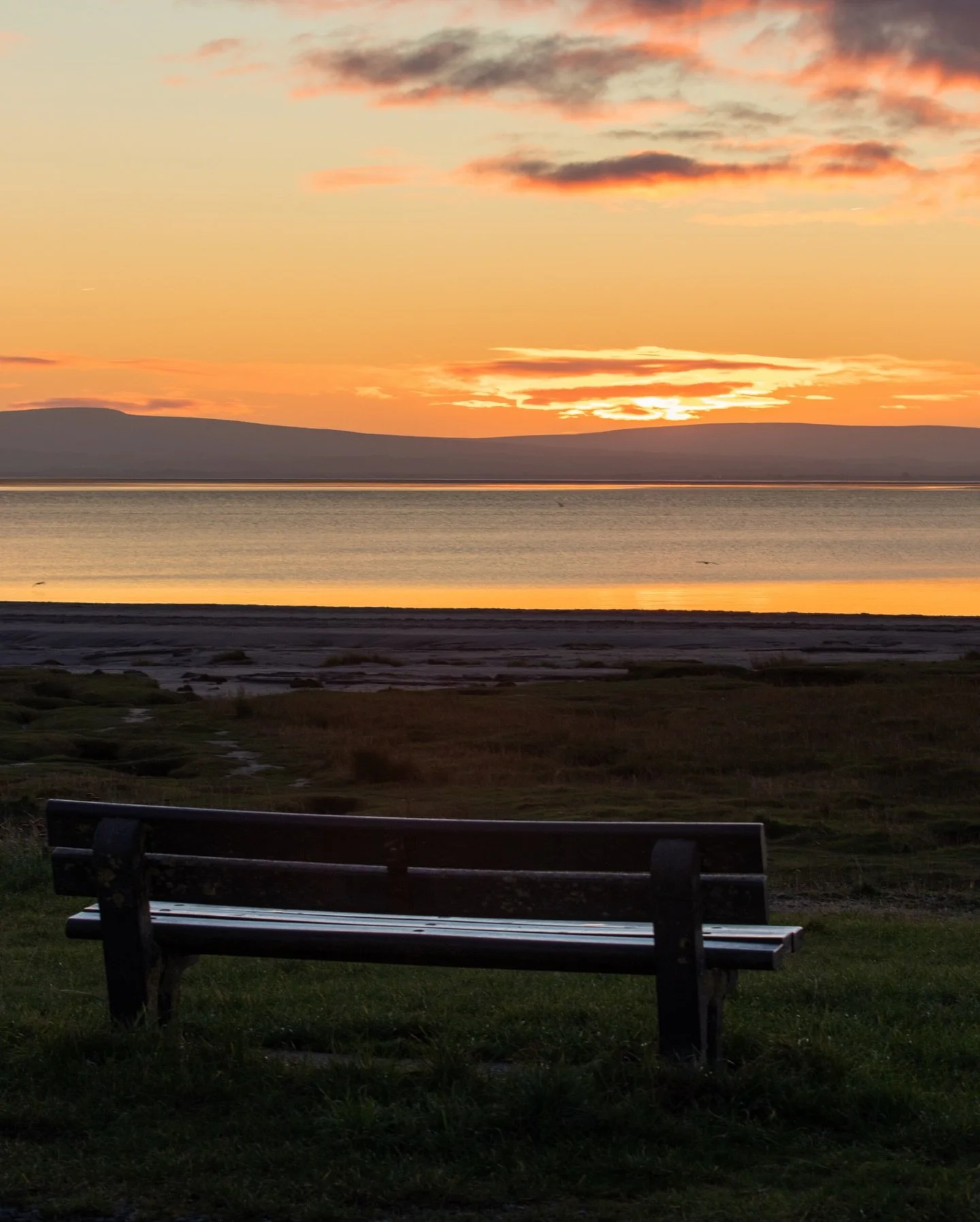
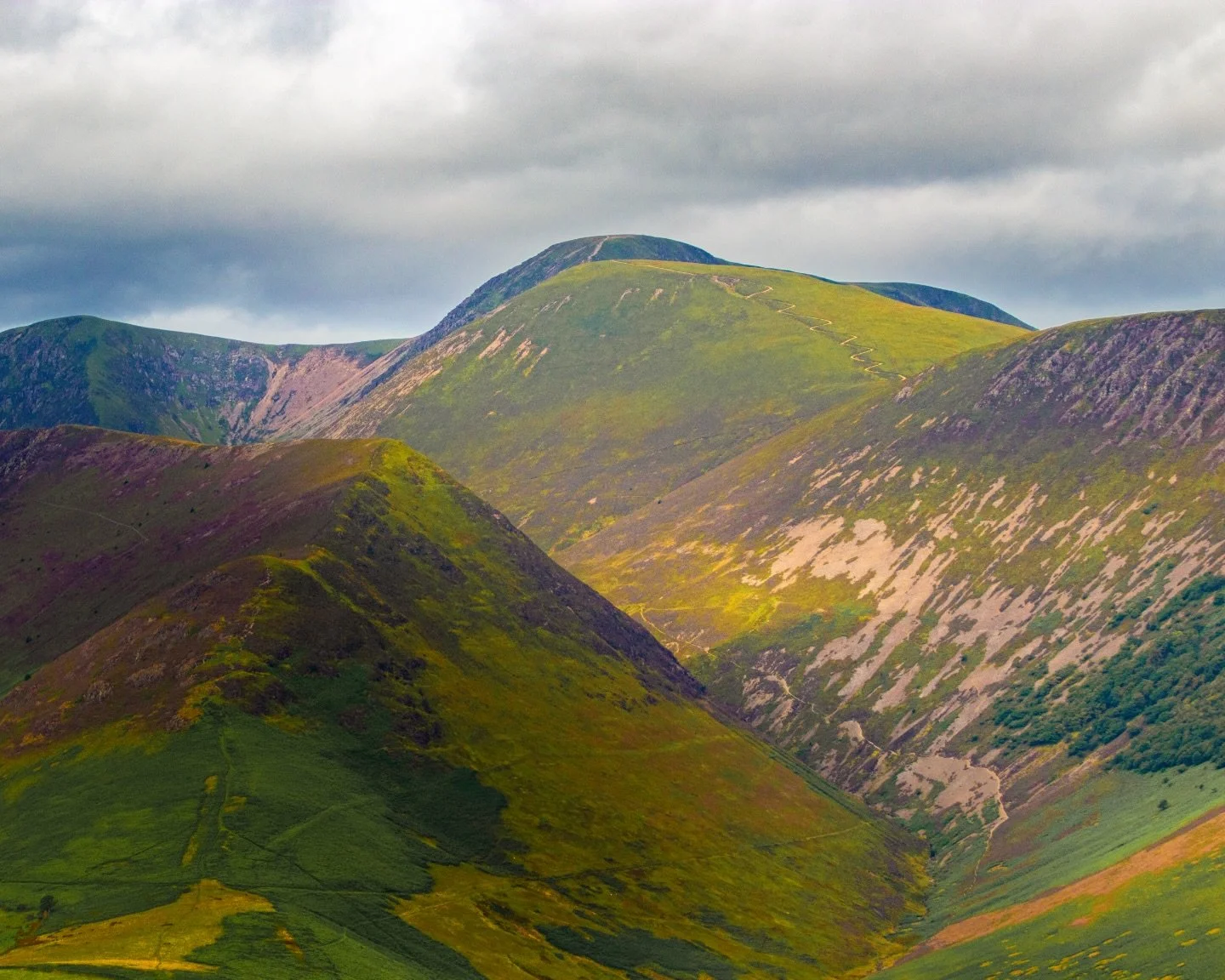
Landscape photography came a little later for me, but when it did, it really stuck. Unlike street or city photography, landscapes forced me to slow down even more. There was no crowd to react to and no decisive moment involving people — instead, I had to work with light, weather, seasons and patience on a completely different scale.
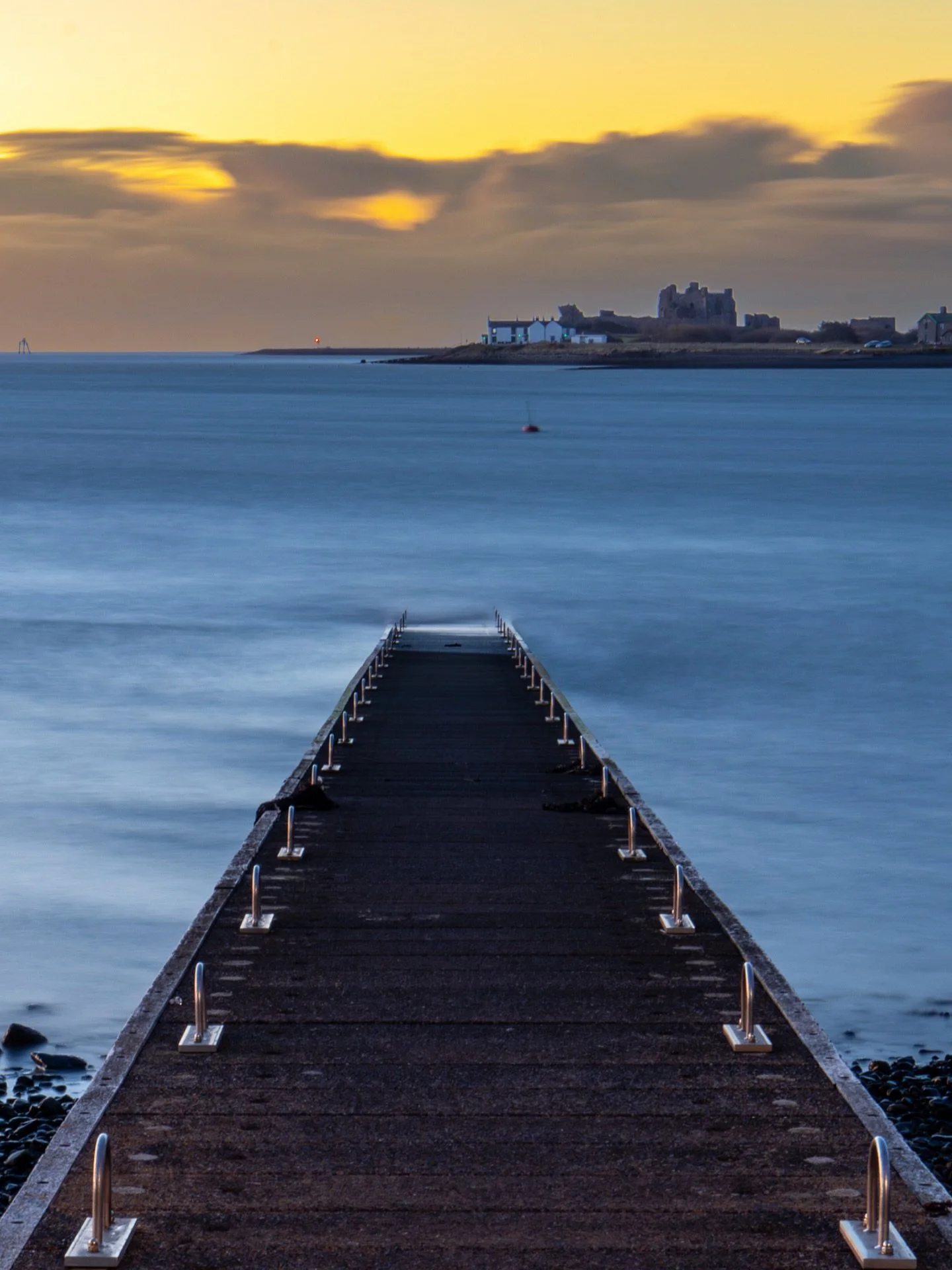
This was where all of those earlier lessons began to come together. A solid understanding of exposure became essential, especially at sunrise and sunset. My experience with long exposure photography transferred naturally into smoothing water, capturing movement in clouds and working with ND filters. Composition became even more important too, because in landscape photography there’s nowhere to hide — every element in the frame has to earn its place.
Landscape photography also taught me to plan properly. Checking weather forecasts, sun direction, tides and access routes became part of the process. Just as importantly, it taught me when to abandon the plan altogether. Some of my favourite Lake District landscape photographs have come from conditions that weren’t “ideal” — flat light, heavy cloud, mist or rain — situations that initially felt disappointing but ended up producing far more atmospheric images.
It also changed the way I engage with a place. Being out early in the morning or late into the evening, often completely alone, gives you time to observe what’s happening around you. You start to notice subtle changes — how light moves across a hillside, how colour shifts minute by minute, and how the mood of a scene can change entirely with a brief break in the clouds.
Now, based in the Lake District, landscape photography feels like a natural evolution rather than a complete change of direction. The technical skills, creative confidence and patience I developed photographing everything from busy city streets to controlled studio environments feed directly into the work I do today.
I’m still learning — that never stops — but I now approach landscape photography with a much deeper understanding of both my camera and myself as a photographer.
I still love photographing almost anything. The difference now is intention. I know what I’m looking for, I know how to respond when conditions change, and I know how to make the most of whatever is in front of me.
That curiosity I had when I first picked up a camera in London is still exactly the same — it’s just pointed at mountains instead of buildings.
From Landscape to Commercial Photography
That approach — patience, observation and problem-solving — carries directly into my commercial photography and studio work.
Whether I’m photographing products, creating professional headshots or working on commercial projects, the fundamentals remain the same. I’m always thinking about light first, considering composition, balance and how the viewer’s eye moves through the image.
The main difference is control. In the studio, I’m shaping light rather than waiting for it. On commercial shoots, I apply the same technical understanding and attention to detail I developed outdoors, but in a way that supports a brand, a business or a specific brief.
In many ways, my landscape photography has sharpened my commercial work — and my commercial work continues to refine how I approach landscapes. Both rely on understanding light, reacting to changing conditions and using the camera confidently and efficiently.
It’s all part of the same journey — just applied in different ways.
If you’d like to support the blog and help me keep producing Lake District photography content, honest gear reviews and regular website updates, you can do so via my Buy Me a Coffee page. Keeping everything running smoothly takes time, and your support makes a real difference. Thank you.

Check out somer of my earlier blogs by clicking one of the links below: