Back button focus is one of those camera settings that seems to divide opinion. Some photographers swear by it and will never go back, while others try it once, miss a few shots, and quietly switch it off again.
Like most things in photography, back button focus is not a universal upgrade. Whether it is worth using depends entirely on how you shoot, what you photograph, and how much control you want over the focusing process.
I have used back button focus on and off for years. At times it has felt essential, at others completely unnecessary. The key is understanding what it actually does and when it genuinely helps.
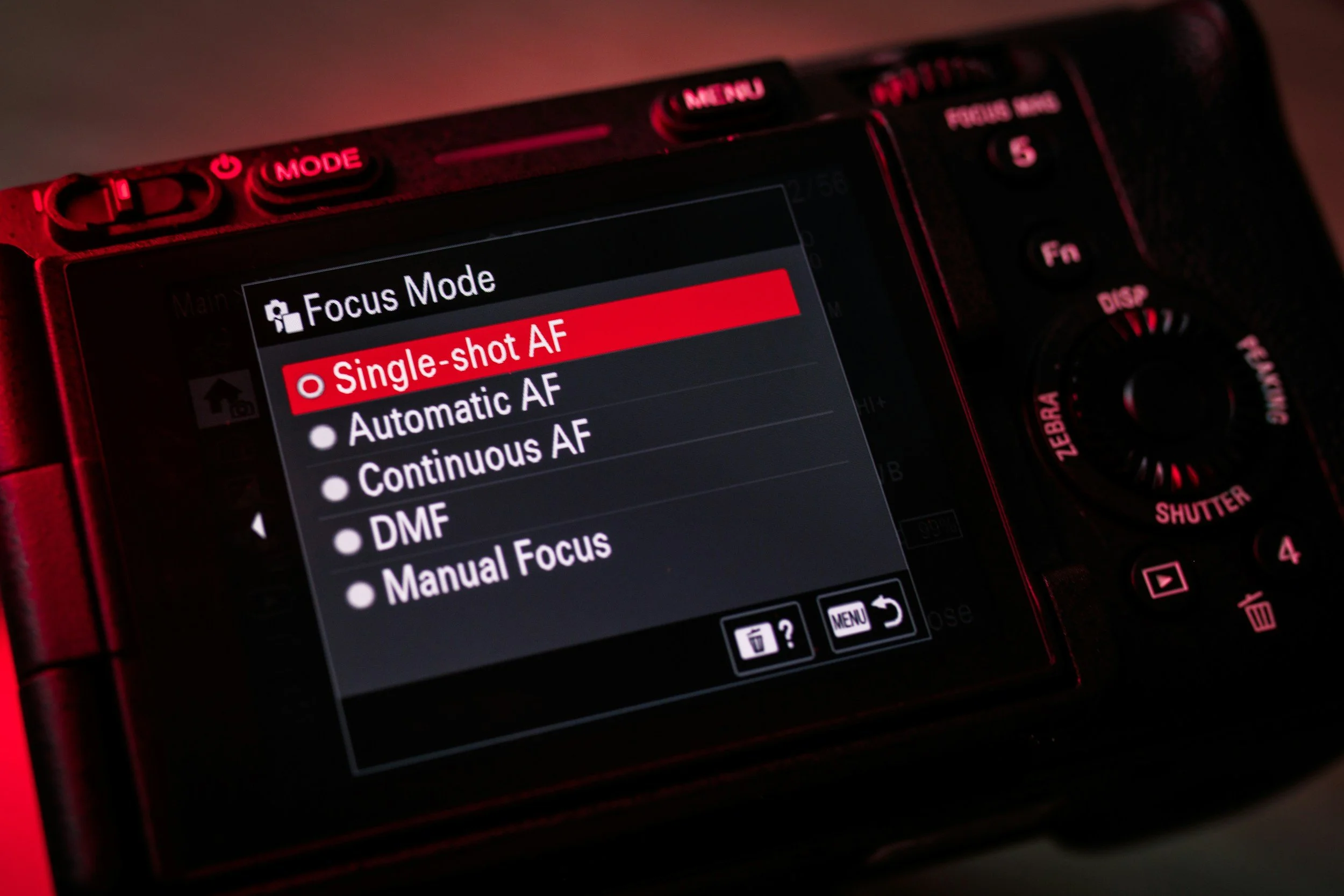
What Is Back Button Focus?
By default, most cameras focus when you half-press the shutter button. Back button focus separates focusing from taking the photograph.
When back button focus is enabled:
The shutter button only takes the photo
Autofocus is assigned to a button on the back of the camera, usually labelled AF-ON or AE-L / AF-L
Focusing and releasing the shutter become two completely independent actions. This small change can have a surprisingly big impact on how you shoot.
Why Photographers Use Back Button Focus
The main benefit of back button focus is control. You decide exactly when the camera focuses and when it does not.
Easier Focus and Recompose
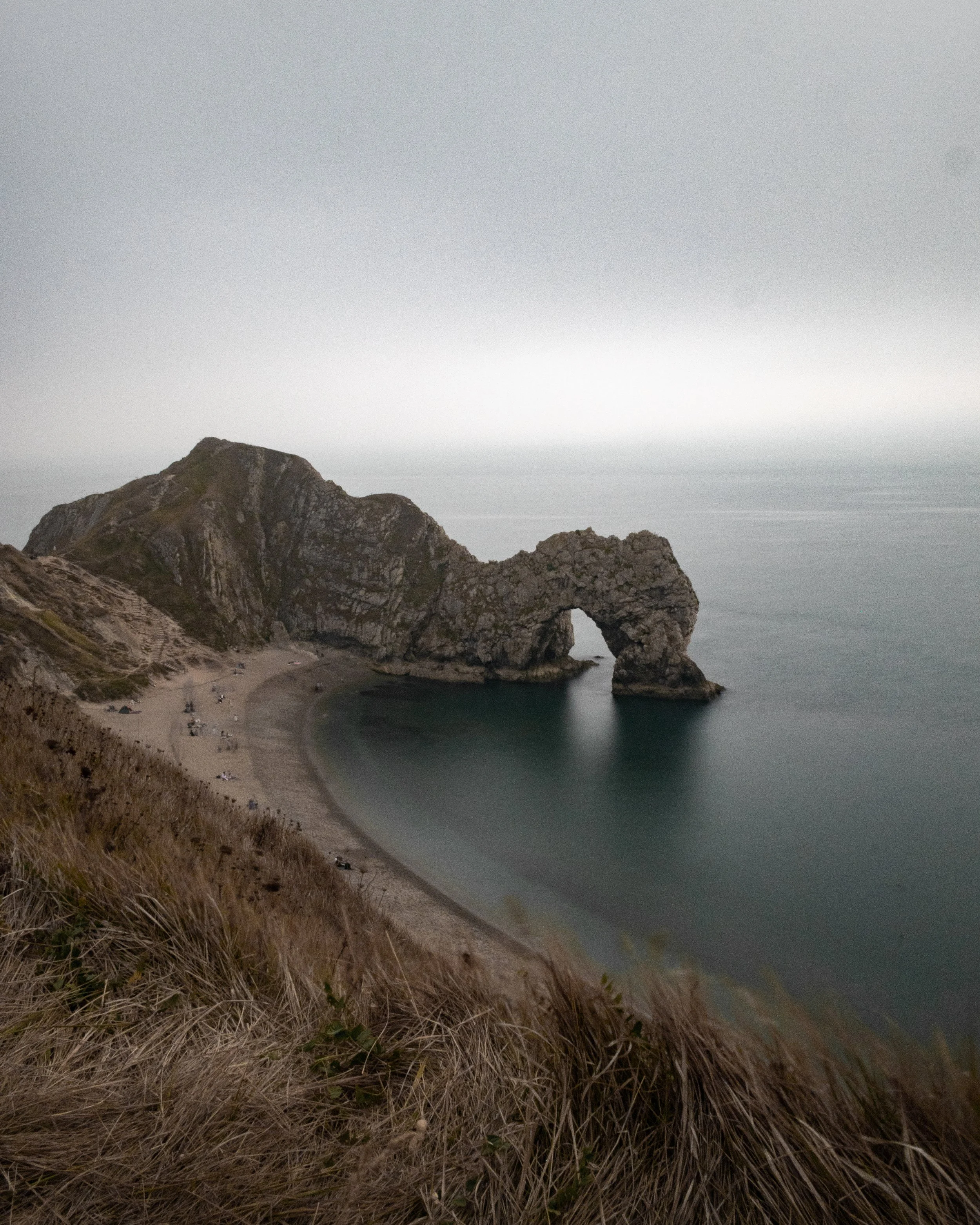
For static subjects like landscapes, architecture, still life, or environmental portraits, back button focus makes focus and recompose straightforward.
You focus once using the back button, release it, recompose your image, and take multiple shots without the camera attempting to refocus every time you press the shutter. This is particularly useful when working from a tripod.
Continuous Focus Without Changing Modes
Back button focus really shines with moving subjects.
By holding down the back button, the camera stays in continuous autofocus. Let go, and focus stops instantly. There is no need to switch between single and continuous AF modes in the camera menu.
For wildlife, sports, or unpredictable movement, this gives you fast, intuitive control.
Fewer Accidental Focus Errors
If you have ever carefully set focus, recomposed, then lost it by half-pressing the shutter again, you will understand the appeal.
With back button focus, the camera will not refocus unless you tell it to. That alone can save a lot of frustration.
The Downsides of Back Button Focus
Despite how often it is recommended, back button focus is not without its drawbacks.
A Steep Learning Curve
Years of muscle memory are hard to undo. Many missed shots happen simply because you forget to press the focus button at all.
This is especially noticeable in fast-paced or high-pressure situations.
It Can Feel Slower
For casual photography, travel shooting, or street photography, back button focus can feel like an unnecessary extra step.
Sometimes simplicity and speed matter more than precision.
Less Benefit for Some Portrait Work
Modern mirrorless cameras have extremely reliable eye detection autofocus. If you rely heavily on this and shoot portraits at wide apertures, separating focus from the shutter may not improve your results in any meaningful way.
Is Back Button Focus Worth It for Landscape Photography?
For landscape photography, back button focus often makes a lot of sense.
When working carefully on a tripod, choosing your focus point deliberately, and refining composition, back button focus allows you to lock focus and forget about it. You can then concentrate fully on light, timing, and exposure.
It also works very well alongside techniques like focus stacking, where consistency across frames is important.
Back Button Focus vs Manual Focus for Landscape Photography
A common question is whether back button focus makes manual focus unnecessary for landscapes. In reality, they serve different purposes.
Back button focus is ideal when autofocus is reliable, such as focusing a third of the way into the scene in good light, then locking focus while you fine-tune composition and exposure. Manual focus becomes more useful in challenging conditions like low light, mist, low contrast scenes, or very close foregrounds, where autofocus can struggle or hunt.
Many landscape photographers use both approaches, switching between back button focus and manual focus depending on the conditions. The skill lies in knowing when to trust autofocus and when to take full control yourself.

So, Is Back Button Focus Actually Worth It?
Back button focus is not a magic setting. It will not automatically make your images sharper or more compelling.
What it does offer is consistency and intentional control. Used thoughtfully, it can simplify your workflow and reduce mistakes. Used blindly, it can just get in the way.
My advice is simple:
Try it properly for a few weeks
Use it in situations where control matters
Turn it off if it becomes a distraction
Photography is about making decisions, not following rules. Back button focus is just another tool. If it fits your way of working, it is absolutely worth using. If it does not, you are not missing out.
If you found this useful and want to support the blog, you can buy me a coffee to help keep these articles going. You can also sign up to my email list for photography tips, behind-the-scenes posts, and new blog updates straight to your inbox.

Check some of my previous blog posts by clicking the link below: