Whether you’re resident in the Lake District or if you’re here visiting, one thing that is often a hot topic of conversation is the weather. Is it raining? Will it rain? Is the sun out? Is it cloudy? Is it nice today?
The last one of those examples is the one I want to discuss first off. This requires a mindset shift, not just for landscape photography in the Lake District, but for landscape photography anywhere in the world.
The shift is this: Stop using “Is the weather nice?” and ask “Is the weather interesting"?”. These are two very different questions and can adjust our mindset in terms of getting out and shooting when the weather isn’t perhaps the weather we want to go out and shoot in.
What is “nice” weather?
First things first, lets get this out of the way. I don’t like the word “nice”. It’s a boring word and it doesn’t really tell the reader anything, but in this case, it gets the job done and I think we ca agree on what we all think nice weather is!
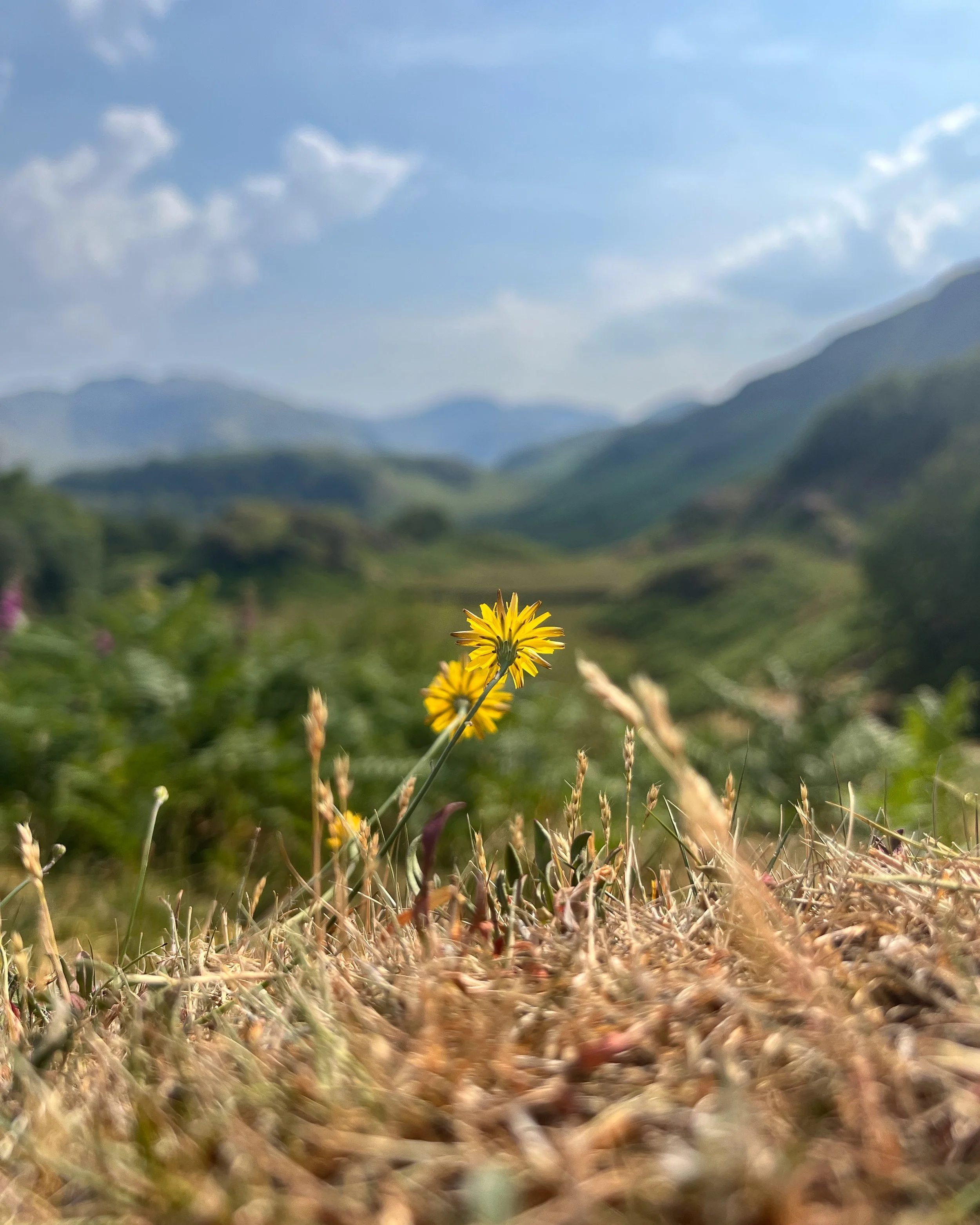
For me, “nice” weather is weather that is dry, not too hot and perhaps a little bit of shade for when it gets a bit too warm.
You get the idea though, this is likely to mean blue skies, not a whole bunch of cloud cover and probably limited cloud cover. This isn’t the weather we would usually think of as “good” weather for landscape photography.
This all boils down to comfort vs conditions. Tourists want comfort. Photographers want conditions.
Some of my favourite Lake District images were taken on days most people would have written off before breakfast. If you only go out when the forecast looks “nice”, you’ll miss most of what makes this place photographically special.
What Makes the Weather Interesting?
This is where it gets (forgive me), interesting.
Forget the weather icons — they tell you almost nothing
Those little cloud-and-rain symbols are often little help to us when it comes to landscape photography.
What actually matters is what’s behind them:
Cloud height
Cloud breaks
Wind speed and direction
When rain starts and stops
How the conditions change through the day
A forecast that looks grim at first glance can be full of opportunity if you read the detail properly.
Cloud is your best friend (most of the time)
Clear blue skies are easy enough, but they give you a lot of harsh light. The clouds can act as a huge diffuser for us and make the light and shadows soft , and for landscape photography, soft light is our fried.
Cloud gives the Lake District its character. What you’re looking for isn’t “no cloud”, it’s variation.
Low cloud and mist
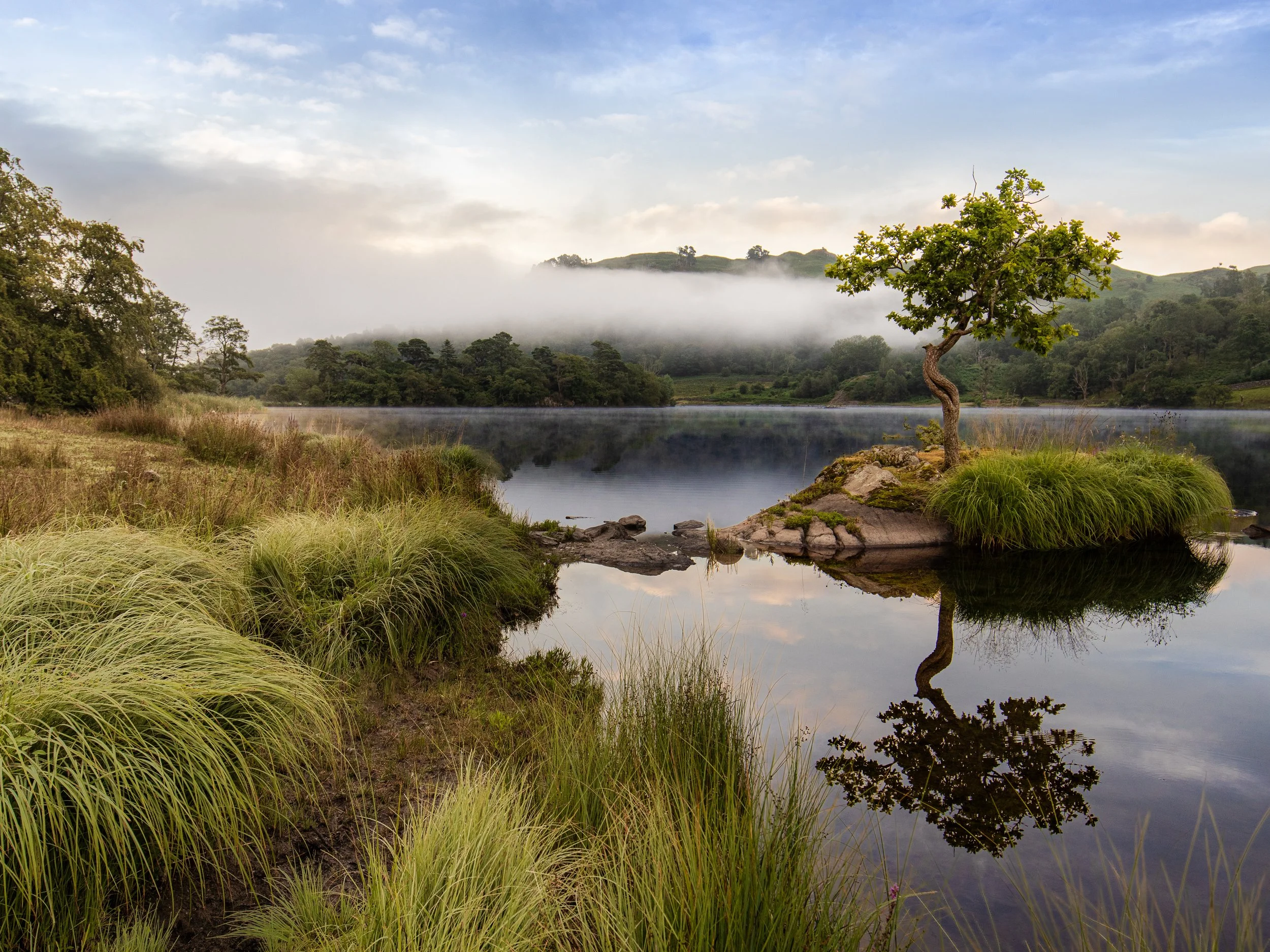
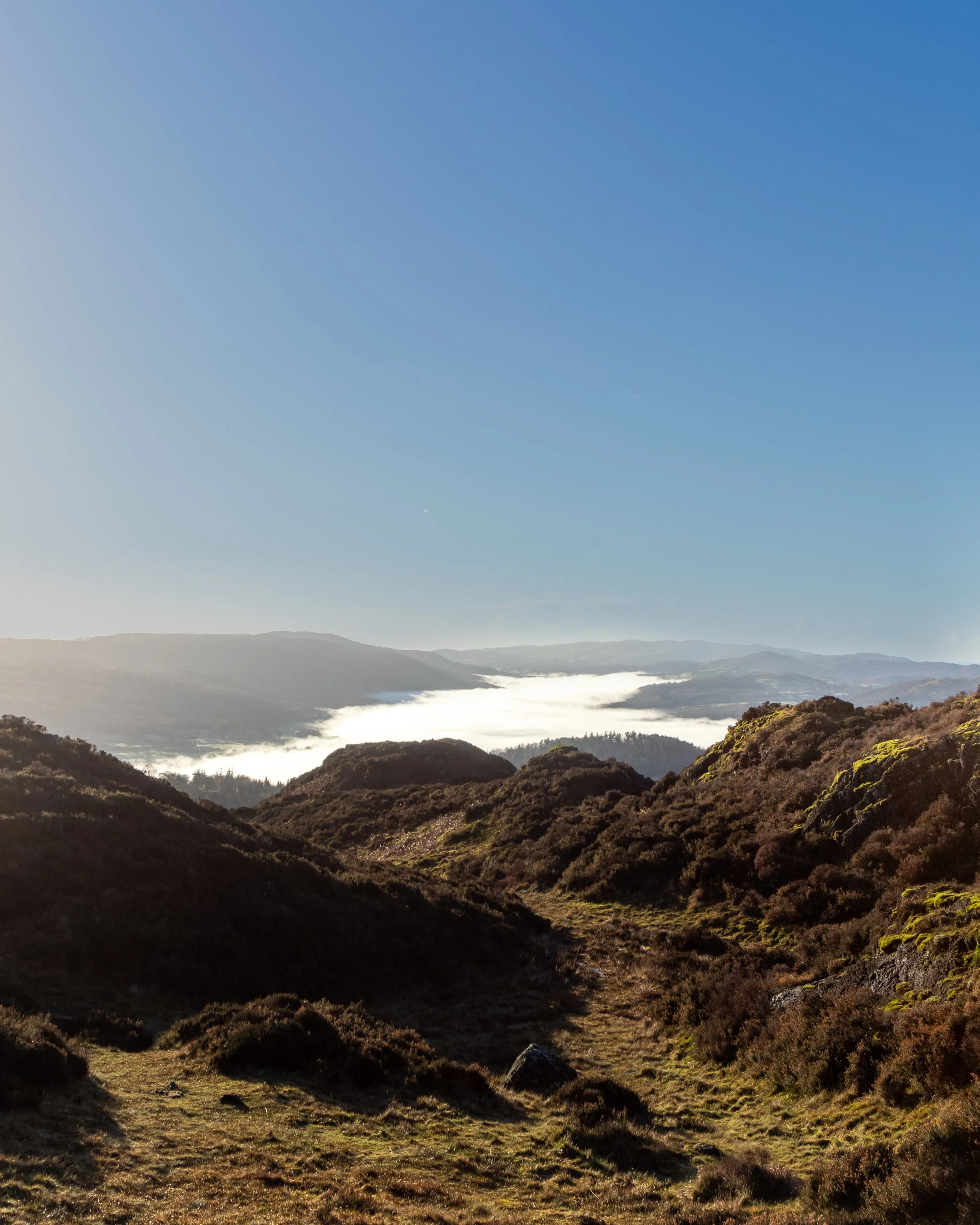
Low cloud sitting on the fells can transform familiar locations into something completely different. Hills appear and disappear, valleys fill with atmosphere, and suddenly you’ve got depth and separation in your images.
These are the days I head for:
Woodland
Tarns
Lower viewpoints
Not summits.
Broken cloud
This is where things get interesting. Broken cloud creates moving light, shifting shadows, and moments that last seconds rather than hours.
You don’t need sunshine all day. You need gaps in the cloud at the right time.

Rain rarely ruins a shoot — endless drizzle does
Rain puts people off. That’s often a mistake.
What I’m interested in isn’t whether it rains, but how it rains.
Short, heavy showers followed by breaks are ideal. After rain:
Colours deepen
Rocks and paths darken
Water levels rise
The air often clears
Some of the most dramatic Lake District conditions arrive just after the rain moves through.
If it’s set in for six hours straight, that’s different. But rain itself? Not a problem.
Wind changes everything (and not always in a bad way)
Wind isn’t just about how cold you’ll feel. It affects:
Cloud movement
Mist behaviour
Reflections
Tripod stability
Strong wind up high often means calmer conditions lower down. On windy days, lakeshores, valleys, and woodland edges usually outperform exposed ridges.
Understanding this saves you a lot of wasted climbs.
Temperature differences are worth paying attention to
One thing I always check is the temperature spread between night and day.
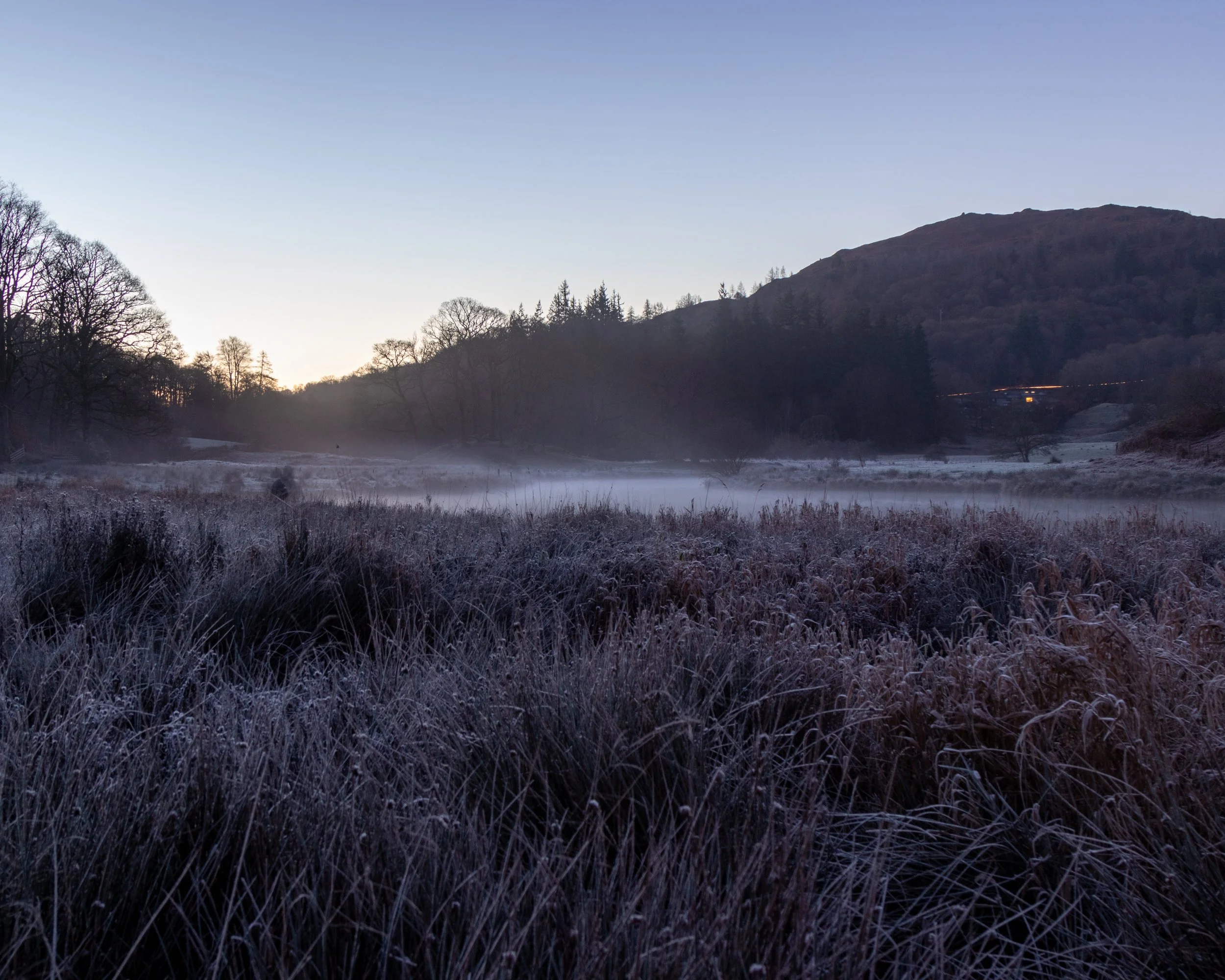
Cool nights followed by warmer mornings increase the chances of:
Mist
Valley fog
Subtle inversions
These conditions don’t always show clearly in basic forecasts, but they’re often responsible for the most atmospheric Lake District mornings.
Dew point: the mist predictor most people ignore
One thing I always check — and most people don’t — is the dew point.
Dew point tells you how close the air is to becoming saturated. When the temperature drops to meet it, moisture forms. In the Lake District, that usually means mist, fog, or low cloud.
You don’t need to overthink it. Just look at the gap.
If the temperature and dew point are within a couple of degrees of each other, especially overnight, there’s a good chance of atmospheric conditions in the morning. Valleys fill, tarns mist over, and hills start appearing and disappearing.
If the gap is much bigger, I don’t expect mist and I plan differently.
It’s not foolproof — nothing is in the Lakes — but it’s one of the most useful forecast details for predicting those soft, moody mornings everyone hopes for.
Change is better than stability
Long periods of settled weather can be great for walking. They’re often dull for photography.
What I look for instead are transitions:
Weather moving in
Weather clearing out
Pressure rising or falling
In the Lake District, change creates drama. Stillness rarely does.
Forecasts aren’t promises — and that’s the point
Mountain forecasts are (very) educated guesses at best. If you expect certainty, you’ll be disappointed.
Instead, I plan loosely:
A few possible locations
Options at different elevations
A mindset that adapts to what’s actually happening
Some of my favourite images came from days that didn’t look promising on paper. That unpredictability is part of the appeal.
Thinking like a photographer, not a tourist…
Tourists ask:
Will it be dry?
Will it be sunny?
Photographers ask:
Will the light move?
Will the cloud break?
Will the landscape separate into layers?
Will conditions evolve?
Once you start asking those questions, the Lake District opens up in a completely different way.
Some apps you might find useful to help you navigate the weather landscape.
The BBC weather and Apple Weather apps are a great starting place, but you should consider some of the apps I have listed below. These contain much more information presented in different ways to the more ‘mainstream’ apps I started with. Download and have a look at them, see which one(s) you like and start to learn how to interpret the information they have given you.
The Met Office App
Clear Outside
Ventusky
Weather Radar.
I’ve collated a list of the best apps for landscape photographers, including some of my favourite weather apps and you can read it here.
Final thought
If you wait for perfect forecasts in the Lake District, you’ll spend a lot of time waiting.
Learn to read the weather properly, and you’ll:
Go out when others stay home
Photograph quieter landscapes
Capture more atmosphere
Develop a more personal style
Bad weather doesn’t ruin photos.
Not understanding it does.
If you’ve found this useful, I share more like it in my newsletter, you can sign up by clicking here — honest thoughts on photographing the Lake District, reading conditions, and what I’m learning along the way. No spam, no gear hype. And if this article helped you head out with your camera a bit more confidently, you can also buy me a coffee. It’s a simple, optional way to support the site and helps me keep writing practical, experience-led content like this.
Check out my earlier blog posts by clicking the links below: