Sharpness in Photography – Does It Really Matter?
Let’s talk about sharpness this week. Why is it important? What does it add to your image? Does it really matter at all?
I was guilty of thinking that sharpness was everything when it came to buying lenses. I wanted everything to be the sharpest possible. I valued my pricey prime lenses (I still love them, don’t worry!) more than my others and, when I was talking about them, it was the first and last thing I would mention – especially when talking to non‑photographers – because I think it helped to justify (in my own head) the price of them.
My Canon 85mm f/1.4 is probably the sharpest lens I own. Everything seems to come out looking like it does when I see it in real life, but I’ve started to think that this can make images look sterile, or even somewhat clinical. Then I got my Pocket Dispo (see my review here) and I started to think about things slightly differently; it’s the same as when I’m shooting on my Polaroid (when I can afford the film!).
So just how important is sharpness? I think it depends what you’re doing, who you’re doing it for, and what you’re going to use the image for. There’s a spectrum here, and I think how you answer those questions is going to be the biggest factor in your conclusion.
For example, if I’m shooting pack shots or product images, then sharpness really matters. Clients want sharp images that show their products at their absolute best. These need to be honest images that allow (and convince) potential customers to make positive, well‑informed decisions about a purchase. Lens choice is important here too, as you want something sharp that doesn’t introduce heavy distortion that needs correcting in post. If I were to shoot client work on a lens that is inherently soft, I wouldn’t be getting booked again.
The lens you shoot on can be just as much a creative choice as how you set up your scene. It affects how your image looks and how it feels.

My softest lens is my Pocket Dispo, which seems a little antithetical given that prime lenses are supposed to be the sharpest lenses – and, technically, this is a prime lens. It has a fixed focal length and never changes. The aperture is wide enough to let enough light in and small enough to keep as much of the scene in focus as possible, but I think there is a difference between “in focus” and “sharp”. I suppose it comes down to what we often refer to as sharp versus acceptably sharp.
I love the feeling and look my Pocket Dispo gives my images. They feel warm, nostalgic, and genuinely retro. They are not “sharp” by any means, but they are in focus – and that’s one of the things I love about them most.
Now, I keep mentioning images being sharp and images being in focus, but what do I actually mean by this?
In my head, the difference is obvious, but it’s harder to put into words. So let’s try.
In Focus vs Sharp – What’s the Difference?
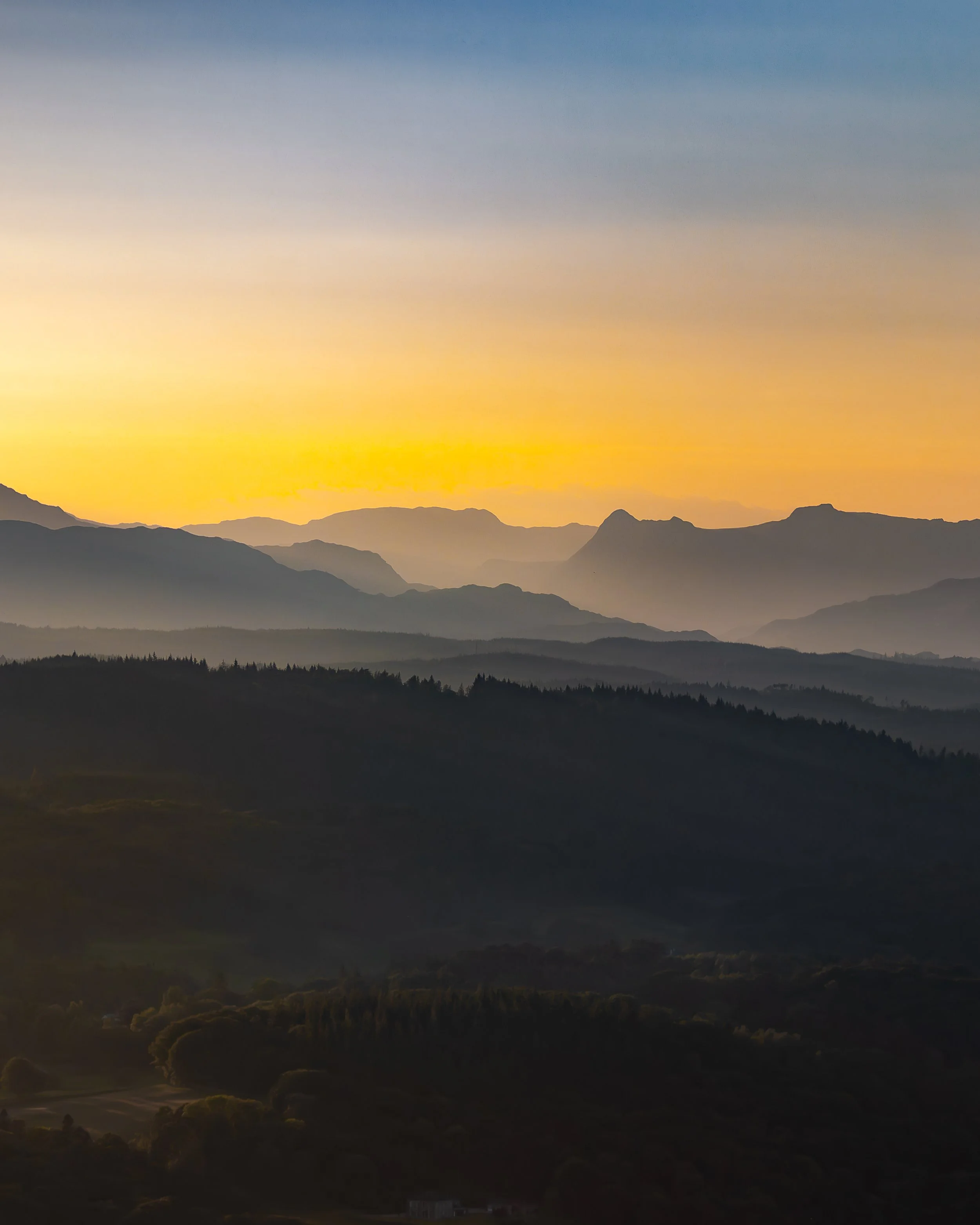
In focus simply means that your subject falls within the plane of focus. The edges are defined enough for your eye to recognise what you’re looking at. It’s technically correct.
Sharpness, on the other hand, is about micro‑contrast and fine detail. It’s how clearly textures are rendered. It’s the difference between seeing the outline of someone’s eyelashes… and being able to count them.
You can have an image that is perfectly in focus but not especially sharp.And you can also have an image that is extremely sharp, but emotionally flat.
That’s an important distinction.
When Sharpness Really Matters
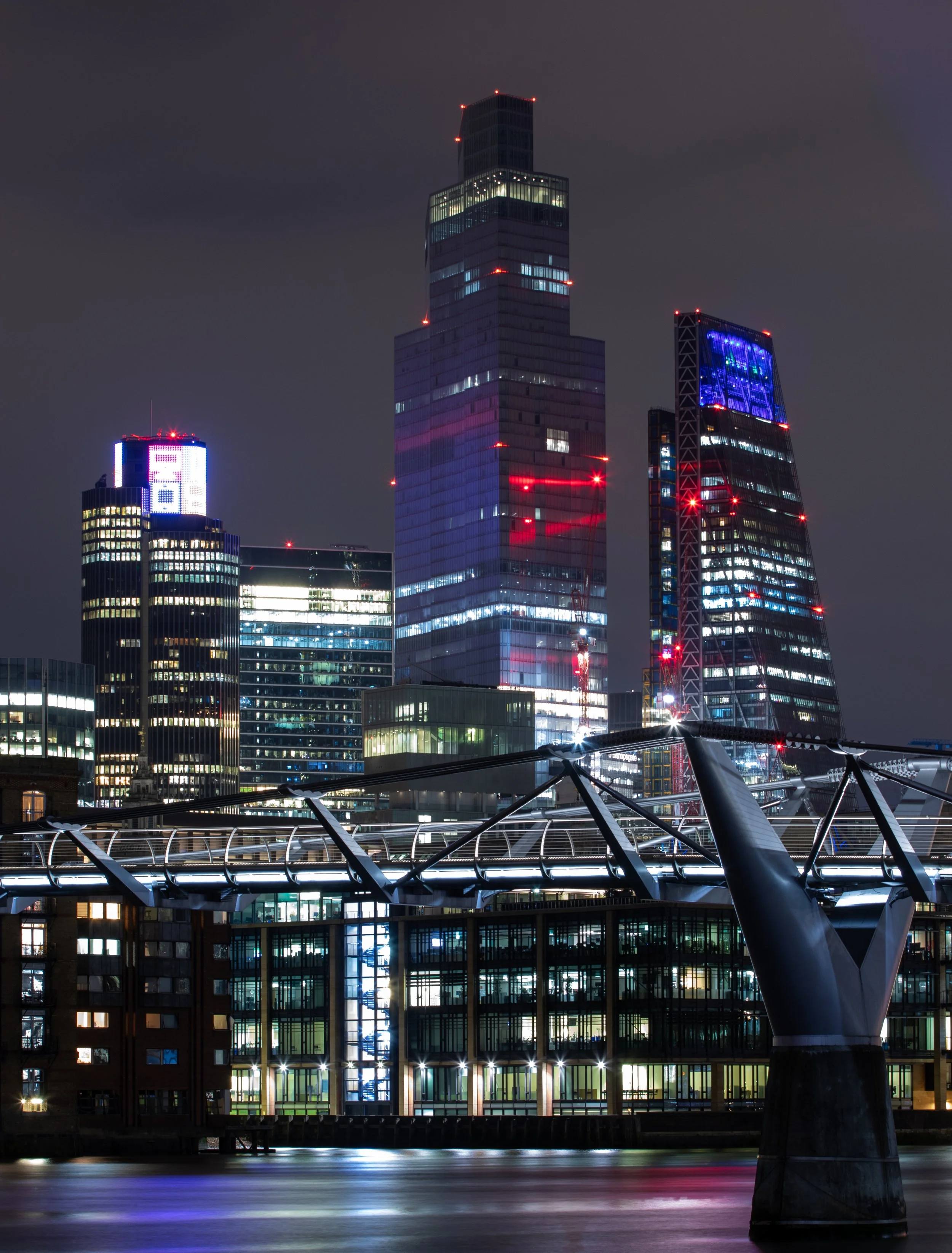
There are situations where sharpness isn’t just desirable – it’s essential:
Product photography
Commercial work
Architecture
Reproduction and archival work
Large print sales where viewers will be close to the image
In these cases, sharpness communicates professionalism, quality, and trust. It reassures clients and customers. It removes ambiguity.
Here, sharpness isn’t a creative choice – it’s part of the job description.
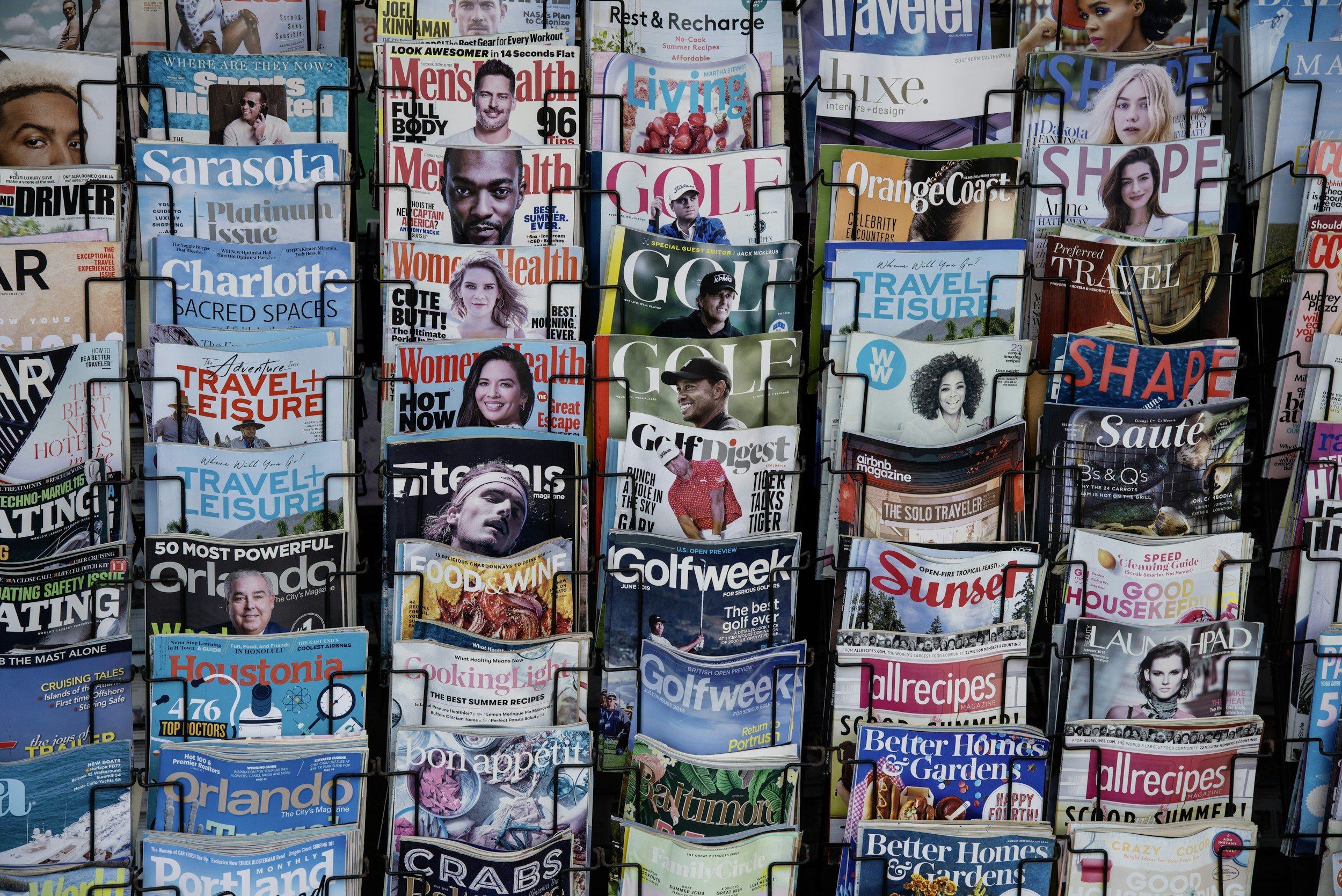
For example, the image on the left, whilst not my usual fayre of Lake District landscape photography, would not work if it weren’t absolutely tack-sharp.
When Sharpness Becomes Optional
But personal work is different.
Street photography, documentary, travel, family photos, experimental work, film photography, and abstract images often gain something from being less than perfect.
A little softness can:
Add atmosphere
Suggest memory rather than documentation
Feel more human
Reduce the “digital” look
Create emotional distance or intimacy
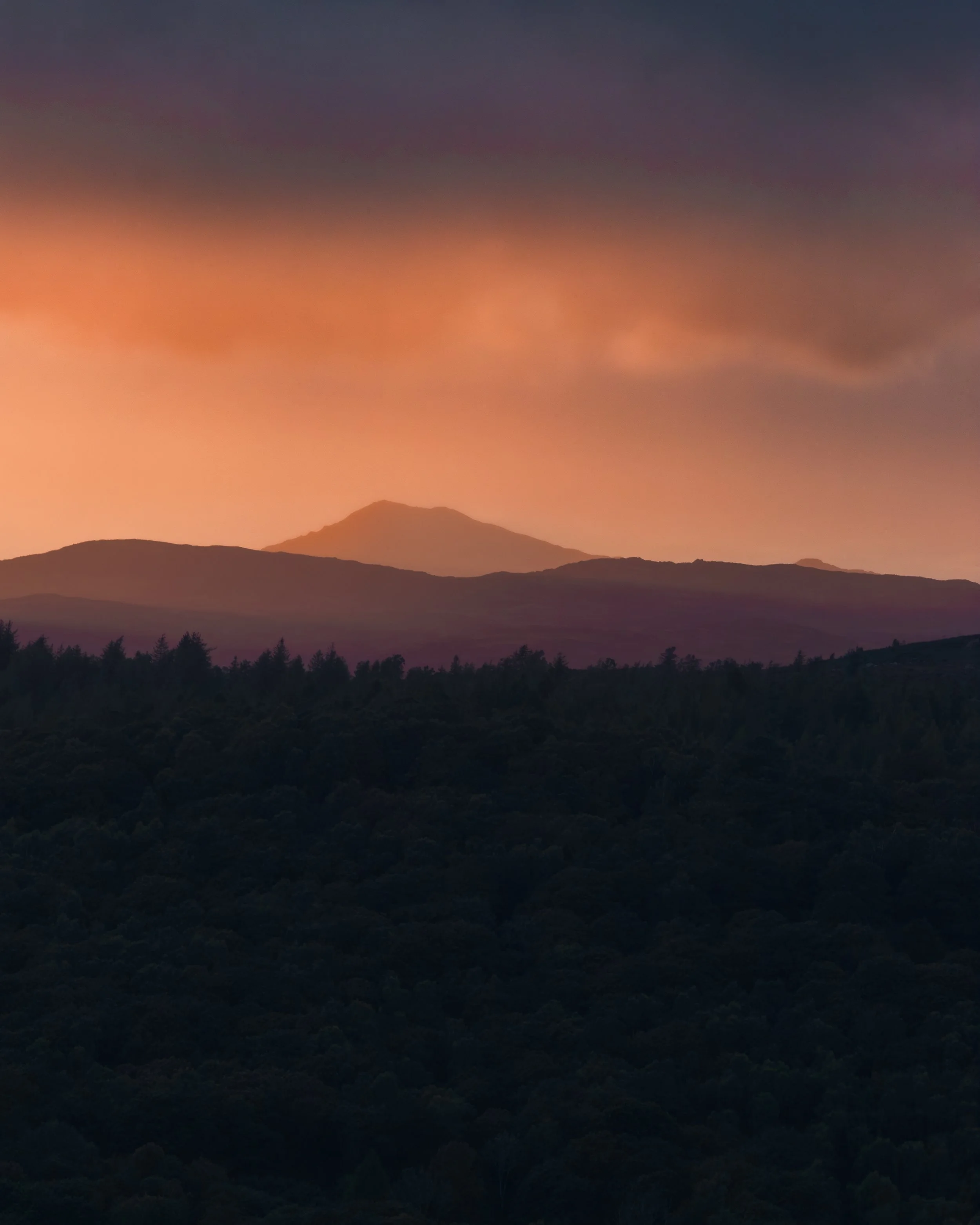
Some of the most iconic photographs in history are technically imperfect – slightly soft, grainy, unevenly exposed – and yet they’re powerful because of what they communicate, not how clinically precise they are.
Sharpness as a Creative Tool
This is where I’ve really changed my thinking.
Sharpness isn’t a goal in itself. It’s a tool.
Just like depth of field, colour grading, or composition, you can use sharpness (or softness) deliberately to support the story you’re telling.
Want realism and impact? Go sharp.
Want nostalgia? Soften it.
Want dream‑like? Embrace imperfections.
Want honesty and clarity? Dial everything in.
Neither approach is better – they just say different things.
So… Does Sharpness Matter?
Yes.
But not always in the way we think.
It matters when your audience expects precision.
It matters when your image needs to sell something.
It matters when detail is the subject.
But it doesn’t automatically make a photograph better.
Some images need to feel perfect.
Others need to feel real.
And sometimes, being slightly soft is exactly what makes an image memorable.
Thanks for reading, I hope you found this useful/insightful! If you’d like to be the first hear about new blogs and reviews and to keep up to date with what I am doing and see my latest work, please consider signing up to the mailing list via the contact page.
If you’d like to support the blog and help me keep producing Lake District photography content, honest gear reviews and regular website updates, you can do so via my Buy Me a Coffee page. Keeping everything running smoothly takes time, and your support makes a real difference. Thank you.