Wide Angle Landscape Photography: Getting the Most Out of Your Wide Angle Lenses
Wide-Angle Landscape Photography: How to get the most out of your wide angle lens(es).
Wide-angle lenses are often the first thing people reach for when they start landscape photography. Big views, dramatic skies, sweeping foregrounds — it all feels like the obvious choice. And while wide-angle lenses can be incredibly powerful tools, they’re also one of the easiest ways to create images that feel empty, unbalanced, or underwhelming if they’re not used with intent.
This post isn’t about telling you which focal length to buy. Instead, it’s about how wide-angle lenses behave, why they work so well for landscapes, and how to use them deliberately rather than by default.
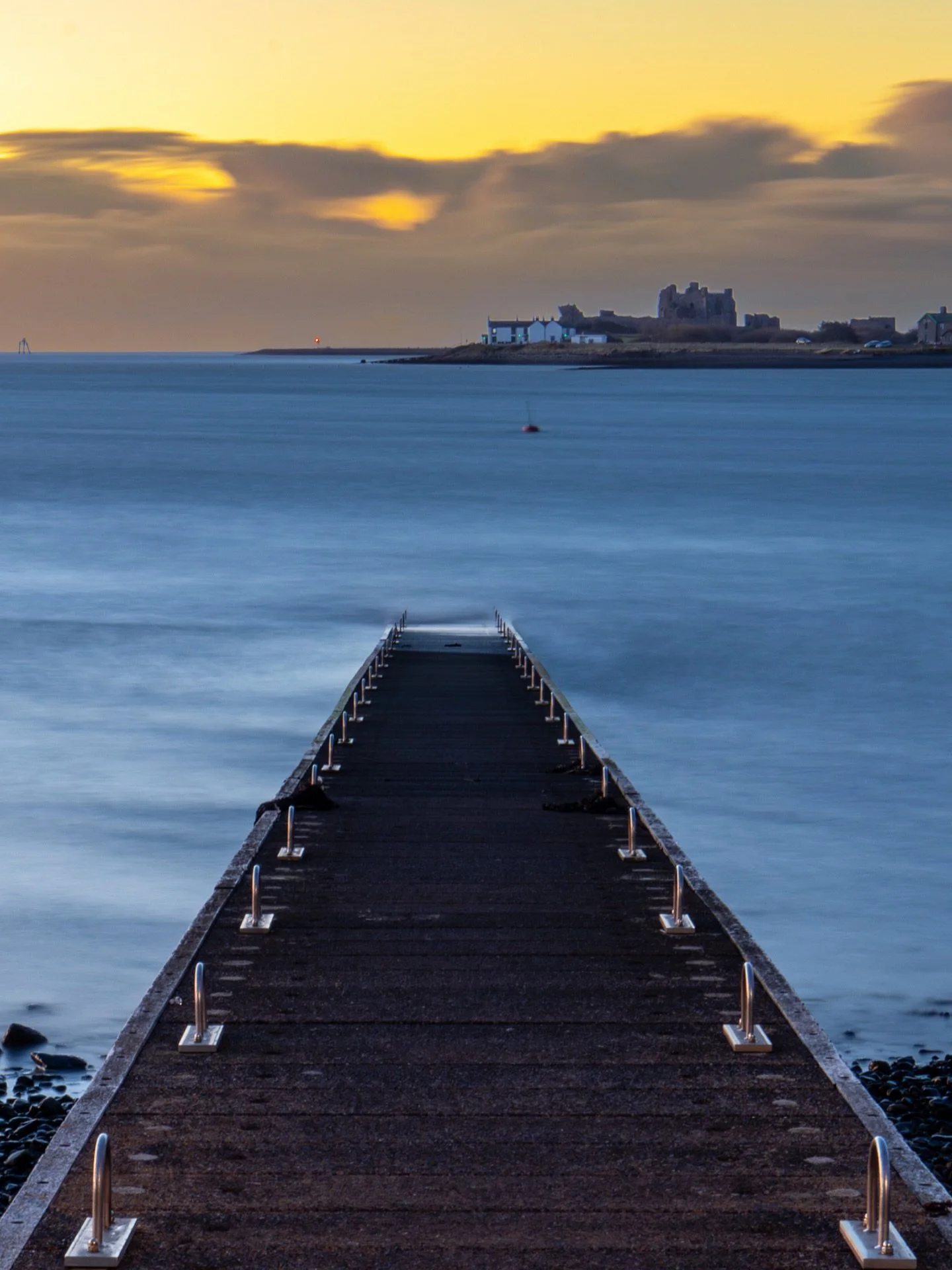
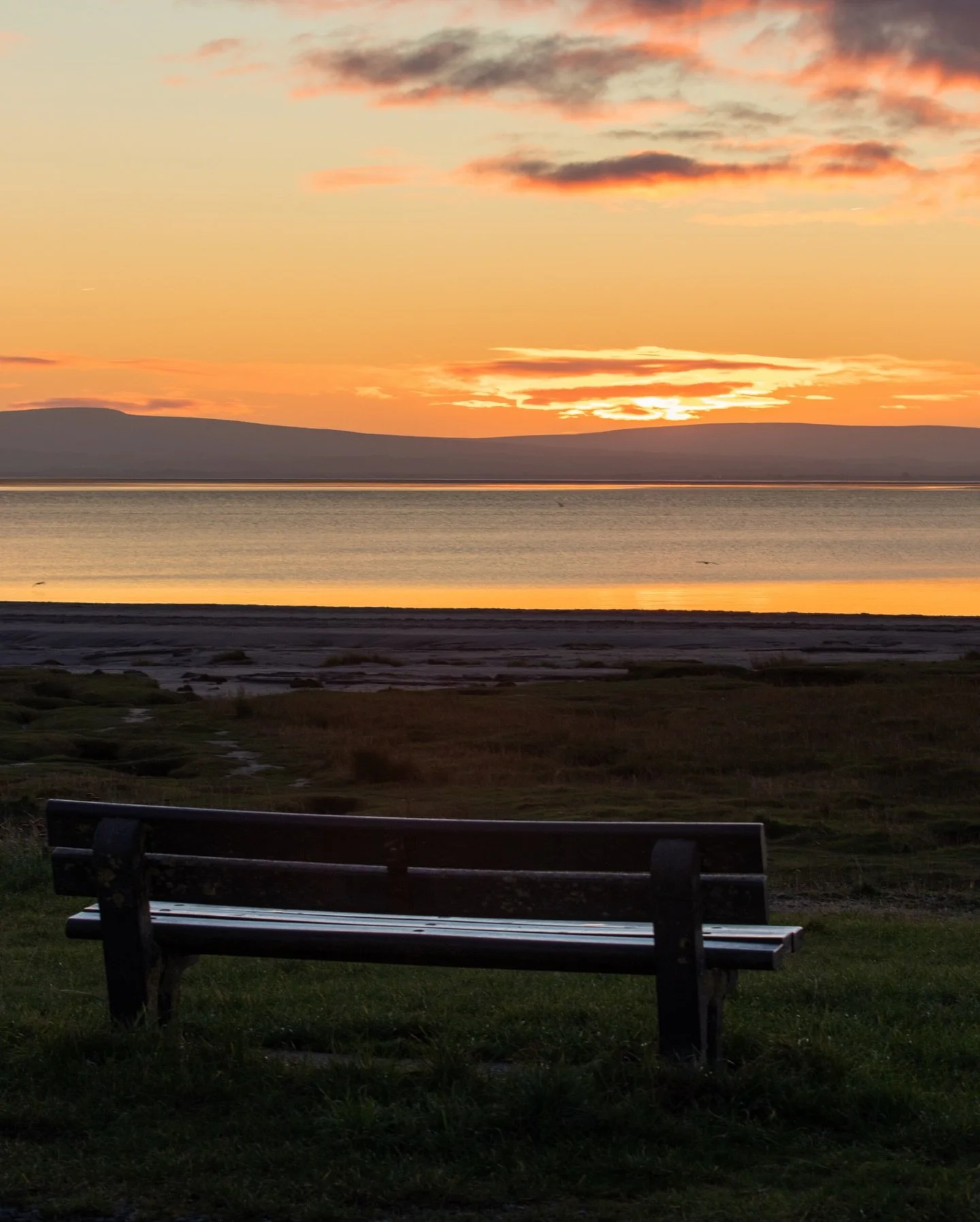
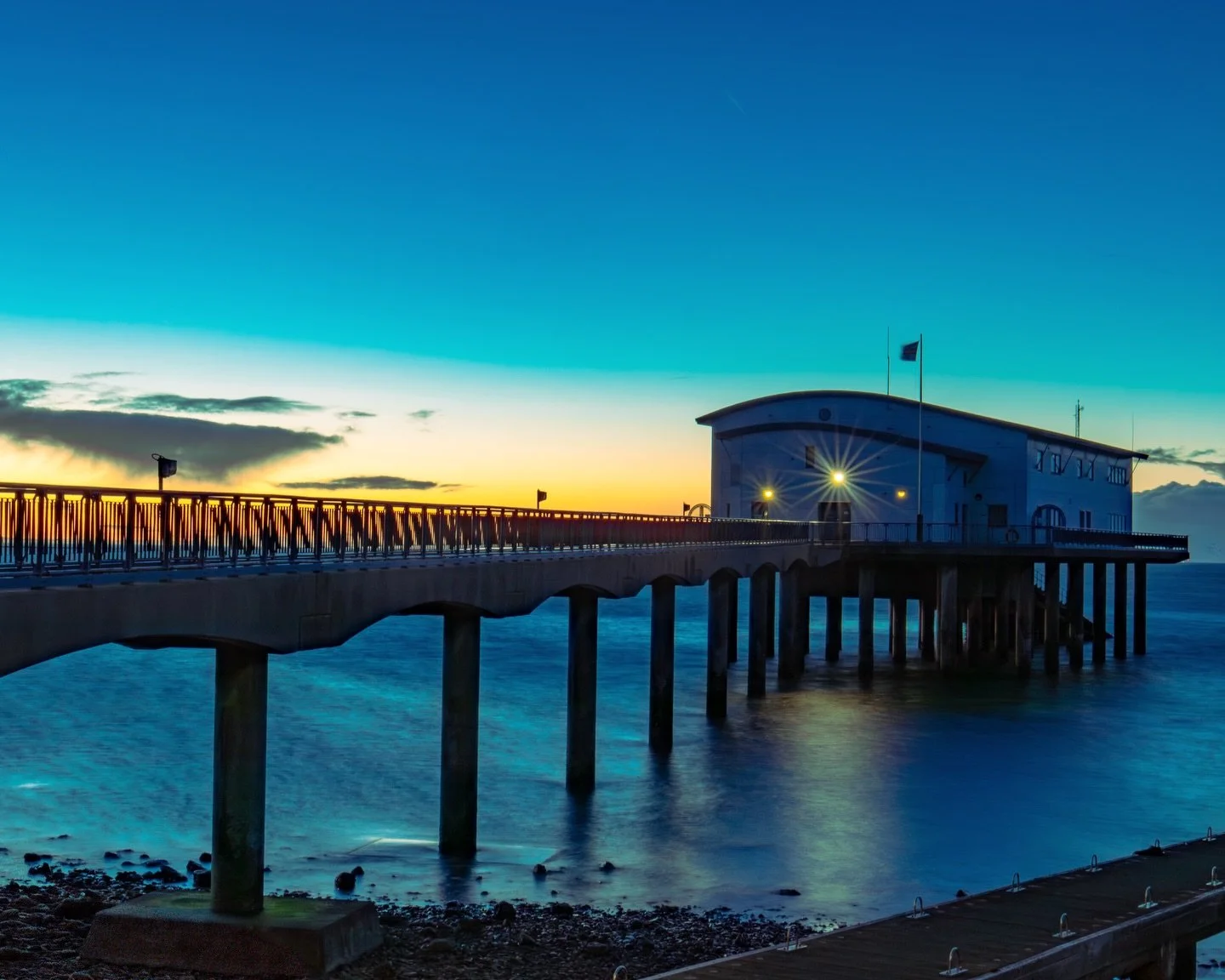
What Is a Wide-Angle Lens?
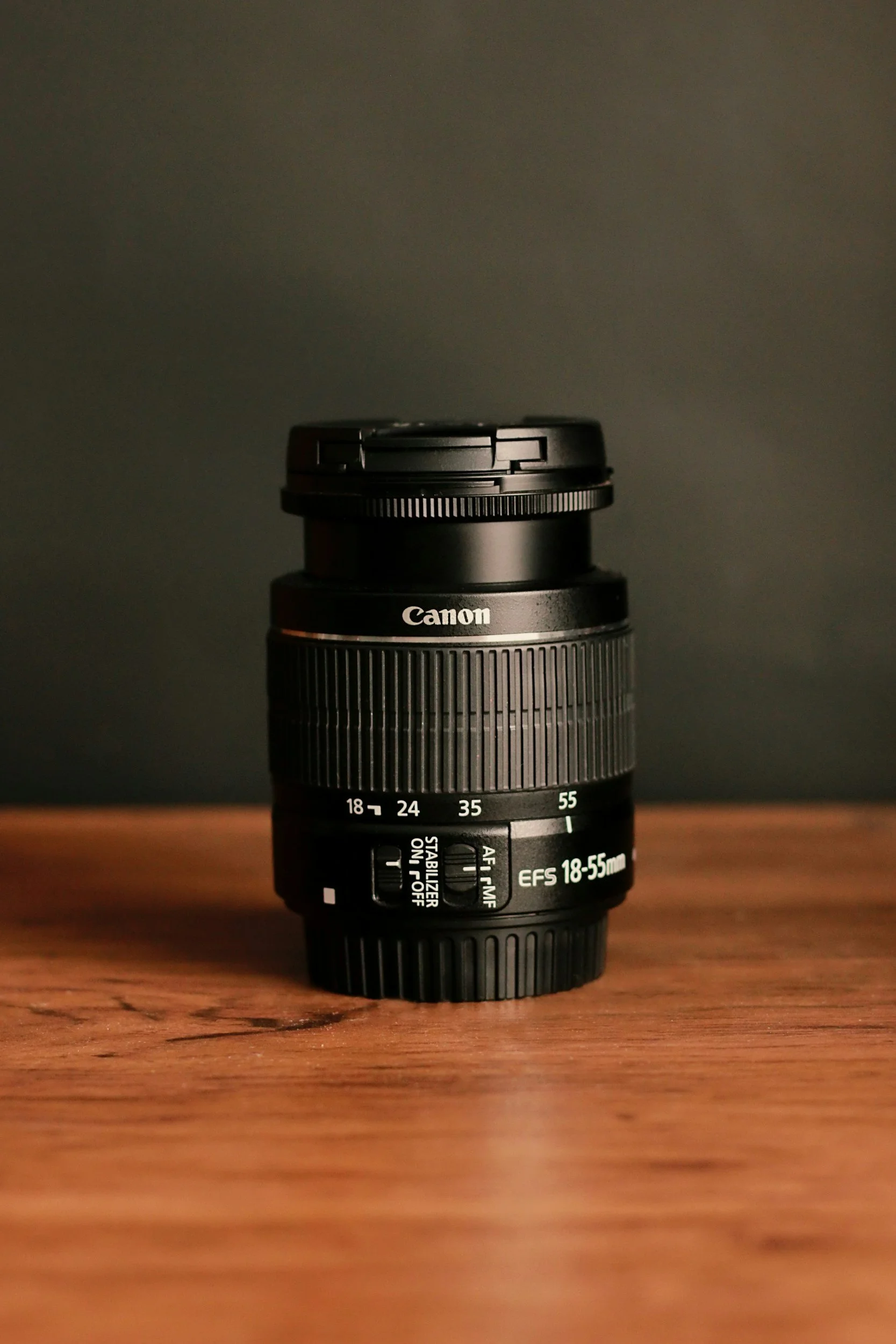
In simple terms, a wide-angle lens captures a broader field of view than a “standard” lens. On a full-frame camera, anything wider than around 35mm is generally considered wide-angle, with ultra-wide lenses starting at 16mm or wider. On APS-C cameras, this shifts to roughly 24mm equivalent or wider.
Wide-angle lenses don’t just include more of the scene — they change how space is rendered, exaggerating distance between foreground and background and making nearby objects appear much larger relative to the rest of the frame.
Why Wide-Angle Lenses Work So Well for Landscapes
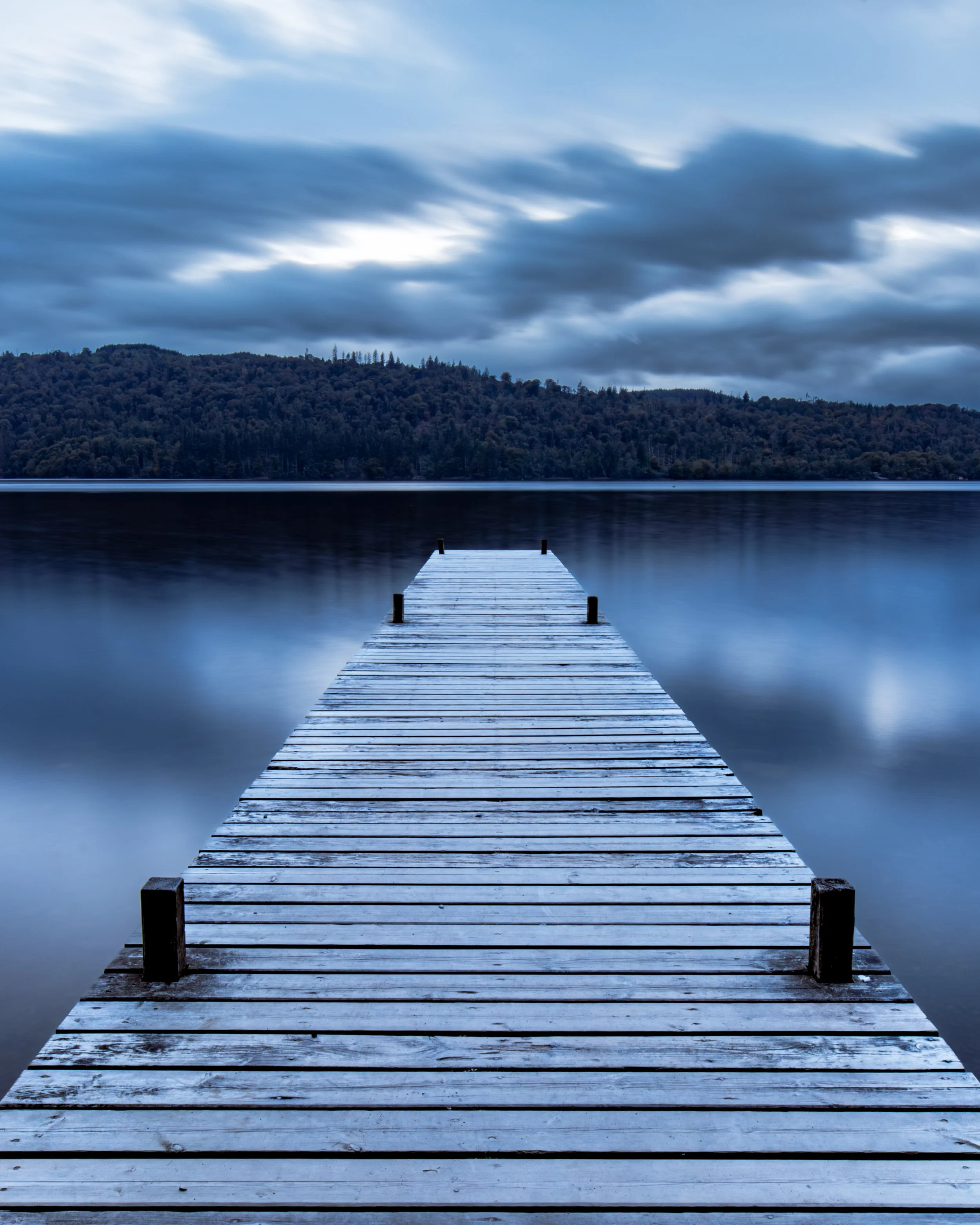
The biggest strength of a wide-angle lens is its ability to tell a story about place. They’re excellent for showing how elements relate to one another: foreground textures leading into distant hills, weather moving through a valley, or light breaking across a wide scene.
They also encourage photographers to engage with the landscape physically. To make a wide-angle image work, you often need to get close to your foreground, move around, and think carefully about composition rather than standing back and zooming in.
Used well, wide-angle lenses create images with depth, scale, and a strong sense of presence.
The Foreground Problem (and Why It Matters)
One of the most common mistakes in wide-angle landscape photography is including too much without giving the viewer anything to focus on.
Because wide-angle lenses make distant objects appear smaller, scenes without a strong foreground can feel flat or empty. A dramatic mountain range that looks impressive to the eye can shrink into insignificance when shot wide unless something anchors the frame.
Successful wide-angle images usually rely on:
Foreground texture (rocks, grass, water, paths)
Clear leading lines
A deliberate subject near the camera
If there’s nothing interesting within a few feet of you, a wide-angle lens may not be the right choice.
Composition Matters More Than Focal Length
Wide-angle lenses don’t create strong compositions on their own. In fact, they demand more compositional discipline, not less.
Pay attention to:
The edges of the frame (they include a lot)
Converging lines and perspective distortion
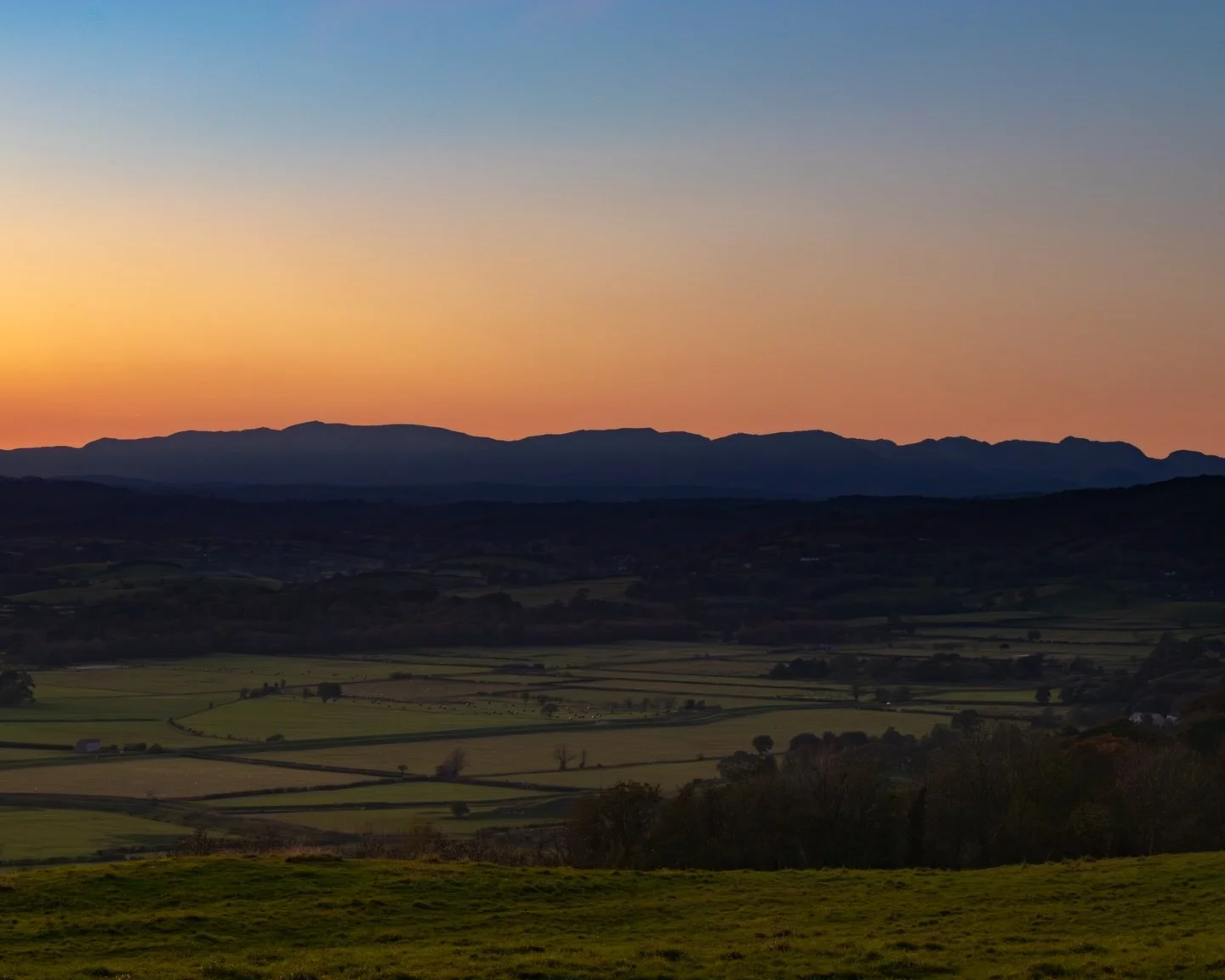
Balance between sky, land, and foreground
It’s often worth simplifying the scene — removing distractions rather than trying to fit everything in. Just because a lens can see it doesn’t mean it needs to be included.
Distortion, Perspective, and Creative Choices
Wide-angle lenses exaggerate perspective. Vertical lines can lean, horizons can curve, and proportions can feel unnatural if the camera isn’t level.
Sometimes this works beautifully. Other times it pulls attention away from the image.
Being aware of how your lens behaves allows you to:
Keep the camera level when realism matters
Embrace distortion for drama when appropriate
Correct perspective in post-processing if needed
The key is choosing the look intentionally rather than being surprised by it later.
When Not to Use a Wide-Angle Lens
Despite their popularity, wide-angle lenses aren’t always the best tool for the job.
You might be better off reaching for something longer when:
The light is subtle and directional
You want to isolate shapes, patterns, or details
The scene feels cluttered or chaotic
The foreground doesn’t add anything meaningful
Some of the strongest landscape images are made by excluding most of the scene, not including it.
Final Thoughts
Wide-angle landscape photography isn’t about capturing everything — it’s about choosing what matters and arranging it thoughtfully within the frame. When used with intention, wide-angle lenses can produce images full of depth, atmosphere, and connection to place. When used carelessly, they can dilute a scene’s impact.
The real skill lies not in owning a wide-angle lens, but in knowing when to use it — and when to leave it in the bag.

Thanks for reading, and if you have made it to the bottom of the page, thank you again! If you would like to get these blogs direct to your inbox, alongside offers and all of the other good stuff, you can sign up to my mailing list. If you’d like to support my work in another way then consider buying a print or heading over to my Buy Me a Coffee page. It really helps to keep the blog going!
Click the links below to check out my earlier blog posts: