My Photography Blog
Welcome to the Chris Kendrick Photography Blog, where I share the stories, challenges and inspirations behind shooting Lake District landscapes and working as a Cumbria-based photographer. Alongside behind-the-scenes reflections from the fells and lakes, you'll also find honest photography gear reviews, covering the cameras, lenses and accessories that genuinely perform in real Lake District conditions. Whether you’re passionate about landscape photography, exploring Cumbria’s scenery, building your kit, or simply curious about the craft, there’s something here for you.
Some posts include affiliate links; thank you if you choose to support the blog through a qualifying purchase. If there’s a topic or piece of gear you’d like me to cover, let me know. Enjoy exploring!
Enjoy!
Affordable Landscape Photography Accessories
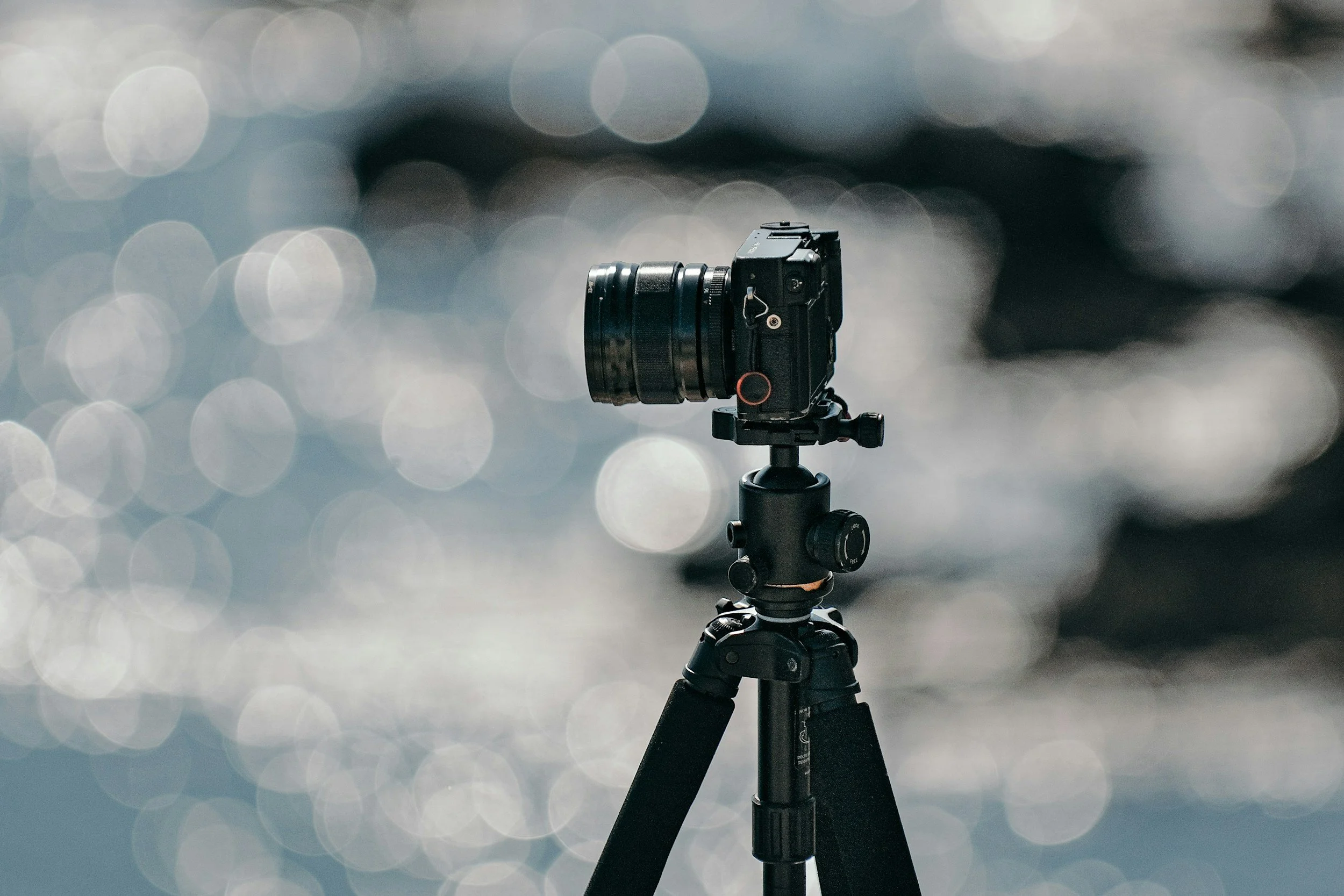
Landscape photography doesn’t have to be expensive. In this guide, I share some of the best affordable accessories that can dramatically improve your landscape images. From sturdy budget tripods and essential filters to clever accessories that make shooting outdoors easier, these tools help you get professional-looking results without spending a fortune.
Landscape photography can be an expensive way to spend your time, but is there a way you can do it cheaply without being “cheap”. But what items are there out there that will give you the best experience whilst ensuring you can still get great results and being confident that your kit is going to survive?
In this blog I am going to look at some of the items that are staples of many landscape photography setup and find you some back-pocket-friendly kit that won’t break the bank, or your camera.
This blog contains Amazon affiliate links. If you mae a purchase after clicking one of these links, I may receive a small commission at not cost to you. This is a great way to support the blog and allows me to continue writing posts like this, I really appreciate every purchase you make.
Getting into photography can be expensive, and that expense can be magnified if it’s something you don’t end up pursuing as much as you thought you would. No one wants hundreds, if not thousands of pounds worth of gear just sitting in cupboard, unused and gathering dust.
When you’re starting out in Landscape Photography, the amount of stuff you ‘need’ to buy can be overwhelming and some of the prices are absolutely eye watering. There are tripods that run into thousands of pounds, filters that cost hundreds and other accessories that you don’t even know if you need or not. I am going to try and demystify some of that, starting now!
Tripod
Do you need it? Yes.
This is probably one of two things on this list that I would say is an absolute must, the other being the camera bag. Most of the other stuff you can get by without, but I can’t think of many applications, other than perhaps street photography, where owning a decent tripod is worth its weight in gold. Maybe not so much if you’re run and gun street photography.
Like I said before, these can run into thousands, but that’s not what this blog about.
I’m going with K&F concept for this choice. Until I went down the road of the more expensive Benro Mach 3, this is what I used for everything. They’re strong and steady enough for most applications, are lightweight and this one comes with a ball head, so you’re not going to have the expense of shelling out for that too!
L-Bracket
Do You Need It? If you have a tripod, you will wish you had one of these!
This is one of the best photography purchases I ever made. An L-bracket is a piece of machined metal which attached to the bottom of your camera and fits ‘inside’ the ball head of your tripod and allows the two things to attached to each. Because of its shape, it allows you to switch between portrait and landscape orientations quickly without having to rely on the your ball head. It seems a bit of an odd thing to have/want given that one of the major functions of the ball head is to switch your camera’s position, but trust me when I say that having an L-bracket makes this process much more straightforward and when you need to switch quickly, you'll be really grateful you have one. You can pick one up for less than a tenner, but they do run into three figures. I paid £9 for mine 4 or 5 years ago and it’s still going strong.
Some options are designed for specific cameras and because they are made in much smaller numbers, the price is much higher, the universal ones tend to be much cheaper. Just make sure that you get something hat is compatible with your own camera. I’ve linked a really affordable universal one below for your so you can start exploring some options.
Filters
Do you need them? Not necessarily, but they’re really useful!
This is going to depend on the types of shots you are aiming for, when you shoot and what kind of look you want to achieve in your photos. If you want to do long exposures when there is a lot of light, then you’re probably going to need some ND filters. If you’re shooting buildings with lots of glass, cars or bodies of water, then you’re probably going to want a polariser. Then there’s UV filters, colour filters, star filters and mist filters, as well as a bunch of others that I can’t/haven’t remembered.
Filters can also be crazy expensive and you get what you pay for, but as a starting point take a look at the range that K&F Concept offer.
K&F Concept do a wide range of filters, but the ones in orange boxes are an affordable entry point, usually around £20, but this is going to depend on the size of your filter thread - look on the barrel of your lens or check your camera’s manual.
Strap/Cuff
Do you need it? Probably!
Your camera probably came supplied with one, and if you’re happy with it, stick with it. Some people like to change because they want something more comfortable around their neck. Some people prefer a cuff/hand grip instead of a neck strap because it suits their style of photography better and some people just want something a little less ‘obvious’ - it’s not always a great idea to have the make and model of your camera hanging round your next.
There are tons of options available, but some of them are borderline prohibitively expensive. The one I am suggesting for you is from PGY Tech and looks seriously like the Peak Design Slide Light and has a similar quick release system. Camera straps are a really personal choice, you might prefer a woven one, a leather or one that’s more rope like. Get something comfortable and something you trust!
Camera Bag
Do you need it? Yes.
You’re gear is the only gear you have, and you want to be able to move it around be that in the landscape, off to a location shoot, or just in the car to an event. You have spent good, hard earned money on investing in your new kit and you need to make sure it is safe and looked after.
Camera bags are essential, but also a minefield. If you search Amazon you will find page upon page of results, if you visit the major photography retailers you will find at least ten different brands, none of them especially cheap. The last time I visited a major camera retailer, I piked up a bag that caught my eye to have a look at and as soon as I saw the £400 price tag, it went straight on the shelf.
Depending on your kit (how much of it you have and how big it is), you might want to consider bags from well known manufacturers like LowePro,Think Tank and Peak Design, but expect to pay big(ger) money for these.
Like straps, these are a really personal choice, and unfortunately if you decide to stick with photography then this won’t be the last one you buy - none of them ever are. I have been doing this for years now and I still switch between a couple of bags depending on what I am doing. That said, when I first started, I was using the Lowepro Tahoe 150 for everything, and at £60 this is a really good option for the beginner photographer, it holds plenty, is comfortable, unobtrusive and isn’t a massive bag.
I’m also recommending the one I have linked on the card below, the Tarion 15L Waterproof backpack. I like the back opening on this one as well as the side access, which is great for when you need camera quicker than you thought you would! Oh, and it’s only £38!
RGB Light
Do you need it? It depends.
This is something that I have in my bag 90% of the time. When I was living in London and mostly shooting in low light, it was there 100% of the time and I’d have two of them. Landscape photography in the Lake District tends to call for their use a lot less, but I like to have options to light any macro opportunities a little more creatively if the light is a bit flat, or simply if there isn’t enough of it!
There are hundreds of these available on Amazon and they are not all made equal! I have a couple of Smallrig P96L (catchy, I know) RGB lights. They are small and light with decent colour accuracy, and best of all can be picked up for less than £40
Remote Shutter Release
Do You Need It? Yes… If you’re shooting on a tripod.
This is something that I think is essential if you’re shooting on a tripod. The whole point of stabilising your camera is to limit or negate the amount of movement that you are introducing into your camera and lens. If you press the shutter button by hand, no matter how careful you are, you’re going to introduce movement, and if you’re shooting at longer focal lengths then you’re really going to notice it. Yes, there is an argument for using your camera’s self timer function, but there are some situations where you don’t want to rely on something happening in 2 or 10 seconds time. Sometimes you want full control over the moment of capture, and that’s where your remote shutter release comes in.
Be careful when you’re buying this - they’re more often than not brand specific, and in some cases even model specific so be sure to find one that works with your model and brand and camera.
Believe it or not (there’s a theme emerging here), there is a wide range of these on the market, some are really simple and some are more complicated and have extra features like interval timers and bracketing.
I’ve gone for something wireless, which pushes the price up a bit, but it’s always nice to have something without a cable that has the potential to move your camera. And again, don’t forget to check that you’re ordering something which is compatible with your camera!
In Conclusion…
Landscape photography is often associated with expensive cameras and specialist equipment, but the reality is that many of the tools that make the biggest difference are surprisingly affordable. Simple accessories such as a sturdy tripod, a polarising filter, or a remote shutter release can dramatically improve image quality and open up new creative possibilities.
What matters most is not having the most expensive gear, but having the right accessories that help you work more effectively in the landscape. A tripod allows you to shoot long exposures and keep your images sharp. Filters help control light and enhance colours. Small items such as spare batteries, memory cards, and a headlamp can make the difference between capturing a great shot and missing it entirely.
Many photographers gradually build their kit over time, adding accessories as they discover what they need most. Starting with a few well-chosen, budget-friendly items allows you to improve your photography without making a huge investment.
If you’re just getting started with landscape photography, these affordable accessories are some of the most useful additions you can make to your camera bag. They will help you shoot in more conditions, experiment with different techniques, and ultimately get more enjoyment from being out in the landscape with your camera.
Landscape photography is about patience, light, and being in the right place at the right time. The accessories listed in this guide simply help make that process easier, so you can focus on what really matters: capturing the beauty of the landscape.
If you found this guide helpful and you enjoy learning more about landscape photography, consider joining my mailing list. I occasionally send out emails with photography tips, new blog posts, gear recommendations, and updates from my latest shoots in the Lake District. It’s a simple way to stay connected and make sure you don’t miss future guides designed to help you improve your photography.
If you’d like to support the work that goes into creating these guides, you can also buy me a coffee. It helps cover the time and effort involved in writing articles, testing gear, and maintaining the website. Your support genuinely makes a difference and helps me keep producing free photography content for the community.