This is a simple question with a ton of answers, which in this blog I am going to try and distil into some kind of coherent post. Wish me luck!
Photographers, GAS, and the obsession with new camera gear
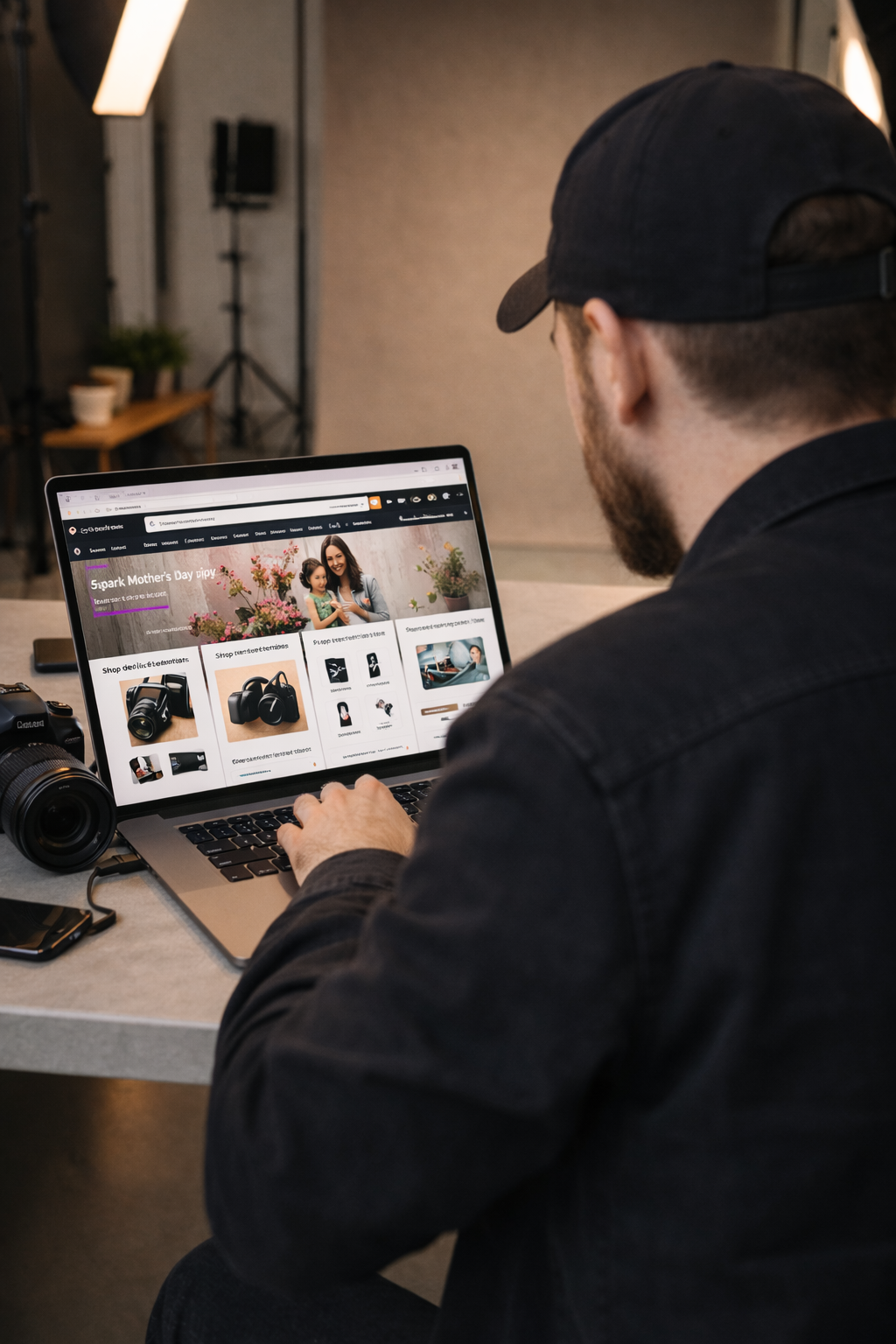
Photographers love new camera gear, it’s a fact of life and once you fall in love with it, it’s easy to succumb to GAS - Gear Acquisition Syndrome and before you know it Amazon, Wex and MPB are all constantly knocking at your door.
You’ll hear a ton of different positions on this one, all of them varied, unless you ask the camera companies who are going to tell you “Yes, you need this and you need it now. If you buy it, we’ll give you cash back and you could use that to spend of some more of our kit”. There’s a huge amount of marketing that goes into selling cameras and photography equipment, because quite simply, the market is saturated and is hugely competitive. So much so, that within the last 12 months, Hasselblad sent a number of prominent YouTubers copies of the X2D - this is a six and half thousand pound camera, so you can see how much the marketing matters. (If you’re reading Hasselblad, feel free to add me to the list and I’ll do you a review!).
This section contains carefully selected photography gear that I personally recommend. These are tools I use in my own workflow or have tested extensively. If you choose to purchase through these links, I may earn a small commission at no extra cost to you. I now have an Amazon stroe front, so if you want to view curated collections of items that I use or have been featured in this blog then click the button below!
VIEW MY AMAZON STOREFRONT ›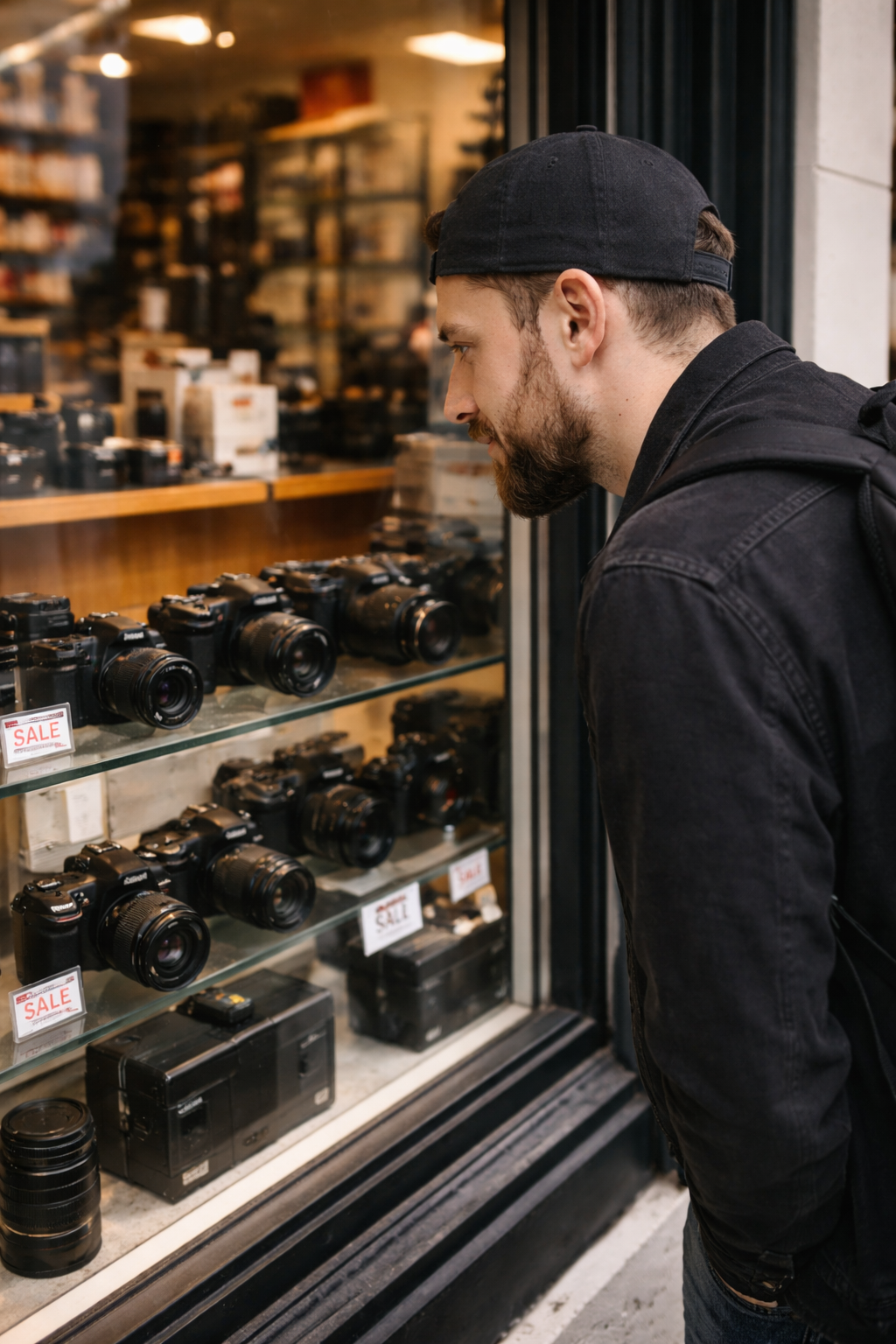
Affordable photography gear and using your phone for landscape photography
The other thing to consider is the fact that steadily, it’s becoming much more affordable to access kit that will allow you to produce some professional looking outcomes, and you should also remember, that nearly everyone has a phone in their pocket, which has a great camera built into it and probably shoots 4K video if it’s a fairly new one.
Anyway, this doesn’t really help to answer the question which is the whole point of this blog, but it does bring mobile phones neatly into the chat, as that’s something we need to consider.
Does photography gear really matter for landscape photography?
The first ever blog I wrote was trying to answer the question “Does Photography Gear Matter?” and the answer was “to some extent”.
It matters because when you upgrade your camera, you get better features (especially around auto focus and IBIS) and you potentially get more reliability. I also said in that blog that the best camera for you is the one that you have.
The law of diminishing returns in camera gear upgrades
If you’re going to spend money then you also need to bear in mind the law of deminishing returns. The difference between, for example a £500 camera and an £1000 camera is going to be quite vast, but then when you’re looking at upgrading from (for example) a £1000 camera to a £2000 camera, the improvements are not as big and again, when you double up from £2k to £4k, its even less… You get the picture. In photography, the law of diminishing returns means that after a certain point, buying more expensive gear or making tiny technical improvements results in very small, often barely noticeable improvements to your actual photos.
Changing photography styles: moving into landscape photography
If you’re moving from one style to another, like when I left London to pursue landscape photography in the Lake District, then no. Your camera will be fine, it will do the same it’s always done - take photos. You might need some new lenses, but you won’t know what you need as you will make these decisions for yourself, when you see what kind of work you are enjoying and what works for you.
When should you upgrade your camera for landscape photography?
For me, when I am thinking about upgrading a piece of equipment I ask myself “What do I need my current equipment to do that it doesn’t do” and “Is what I have already, broken”? If the answer to these questions is “Nothing” and “No” then I hold onto my money for when that answer changes.
But if you’re answering “something” and/or “yes” to these questions then you might want to start having a look around for something new.
A real-world example: upgrading from the Canon 80D
To illustrate the last point, I am in a position where I am thinking about upgrading my current Camera (Canon 80D). Is it broken? No. Does it have features that I need and do I need other things that the 80D doesn’t? Yes it does - I need better autofocus for shooting moving subjects (I am getting to the point with the 80D that it’s missing things too frequently, I wasn’t shooting small things that move quickly in London), I would like to have IBIS and I need automatic focus bracketing. I’m not sure what this camera looks like for me yet (Hasselblad, you there?), but I also want another body for the studio which is full frame and has more resolution, and I am seriously considering the Canon 5DSR for this purpose.
These would be sensible business decisions for me, but only at the right time and with the right research. I don’t subscribe to the idea that “it will pay for itself”, it just doesn’t hold water for me and I don’t believe it. I also think it can be a dangerous thing to start thinking this way.
Skills vs gear: what really improves landscape photography
One of the hardest things to accept as a photographer is that the biggest improvements usually come from skills, not shopping. Composition, understanding light, being in the right place at the right time, reading the weather, and knowing how to work a scene will almost always have more impact on your images than upgrading a camera body. New gear can be inspiring, but it won’t fix weak compositions or flat light, and it won’t teach you patience or persistence. Those things only come from time spent outside with a camera.
What equipment actually makes a difference for landscape photography?
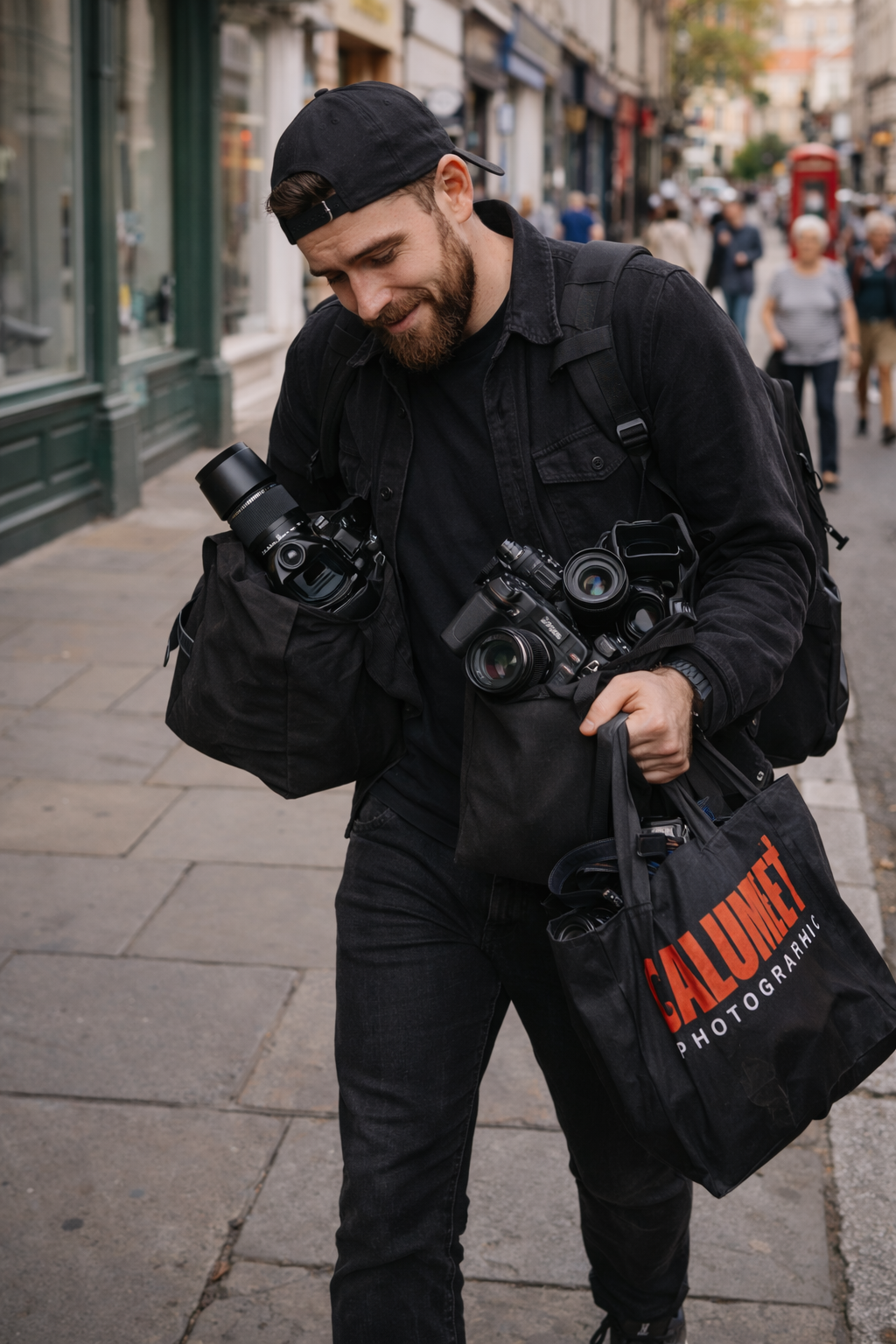
If you are going to spend money specifically for landscape photography, there are areas that often make a much bigger difference than a new camera. A solid tripod, good filters (like a polariser or ND), reliable weather and planning apps, a comfortable backpack, and even decent boots and waterproof clothing will improve both your experience and your results. Being comfortable, stable, and able to shoot in difficult conditions will often unlock more opportunities than a small bump in sensor performance ever could.
The hidden costs of upgrading camera gear
Upgrading a camera rarely stops at just buying the camera. It often brings new batteries, new chargers, faster memory cards, possibly new lenses if you change systems, and sometimes even a more powerful computer to handle larger files.
There is also the time cost of learning a new system and rebuilding muscle memory. All of this adds up, financially and mentally, and it’s worth factoring in before deciding that an upgrade is a simple or cheap step forward.
Social media, comparison culture, and gear acquisition syndrome
It’s difficult to talk about gear without mentioning social media. We are constantly surrounded by incredibly sharp, perfectly edited images, often paired with captions listing thousands of pounds worth of equipment. YouTube reviews, Instagram posts, and marketing all feed into the idea that better gear equals better photos. It’s very easy to feel left behind or under-equipped, even when your current setup is more than capable. That pressure is one of the biggest modern drivers of GAS.
Renting camera gear before buying
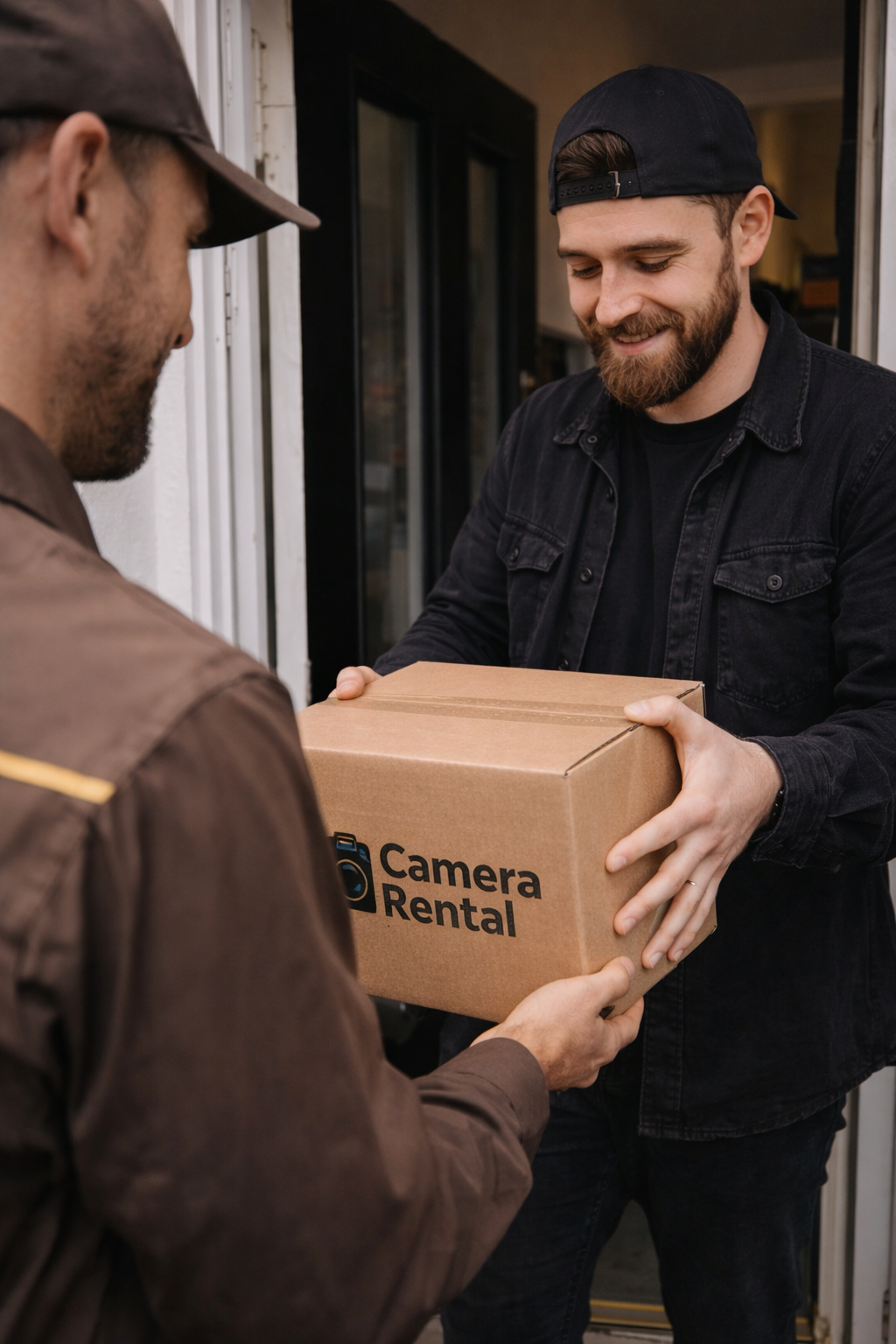
One sensible middle ground is renting gear before committing to it. Hiring a camera or lens for a weekend can tell you far more than reading reviews ever will, and it can save you from expensive mistakes. It also helps you work out whether a piece of kit genuinely solves a problem for you, or whether the desire to upgrade was mostly driven by curiosity or marketing. Compared to the cost of buying, renting is often a very cheap form of research.
A simple camera upgrade checklist for landscape photographers
When you strip everything back, the upgrade decision can be surprisingly simple. Is your current gear stopping you from making the images you want? Is it unreliable? Is it costing you paid work? Can the problem be solved with technique, practice, or accessories instead? And have you tested alternatives before spending the money?
If most of those answers are no, then waiting is usually the smartest option.
Camera upgrades for beginners vs experienced landscape photographers
For beginners especially, upgrading gear is rarely the fastest route to better photos. Learning how exposure works, how light changes throughout the day, and how to compose a strong image will deliver far bigger gains. For more experienced photographers, upgrades make more sense when genuine technical limitations appear, such as autofocus reliability, dynamic range, or workflow demands. The key difference is knowing exactly what problem you are trying to solve.
Do you really need new gear for landscape photography?
The answer to this is yes if you need it, but not if you just wantit. New gear isn’t going to make you better and when you consider that most of the photography we produce these days is view on small screens and has been compressed to high heaven by whichever app you have uploaded it to, a lot of the time people aren’t going to notice the difference. If you’re making massive prints, then you might want to think about more resolution, but even this is not always necessary - there are billboards that have been shot on a Canon 5D MKIV and in 2026, that’s a camera which is 10 years old and still holds up and excellent camera today.
One area that I would always recommend spending some money is on going out and using their cameras in new places (new locations, new shots, better development) and on workshops - go and work with a professional and speak with other photographers. It’s one of the best ways to learn and it means your out and using your camera, not looking at them online.
But remember, it’s not just about cameras, there’s everything else that goes with it… tripods, batteries, filters, bags etc etc etc, I am sure you get the picture. These things can be a nice little treat to ourselves without having to break the bank and shell out a ton of money on new kit.
If you’d like to support the blog and help me keep producing Lake District photography content, honest gear reviews and regular website updates, you can do so via my Buy Me a Coffee page. Keeping everything running smoothly takes time, and your support makes a real difference. Thank you.

Check out some my previous blog posts by clicking the links below: