You Won’t Take Any Good Photos Today: Shifting Your Mindset in Landscape Photography.
You won’t take any good photos today. Got it?
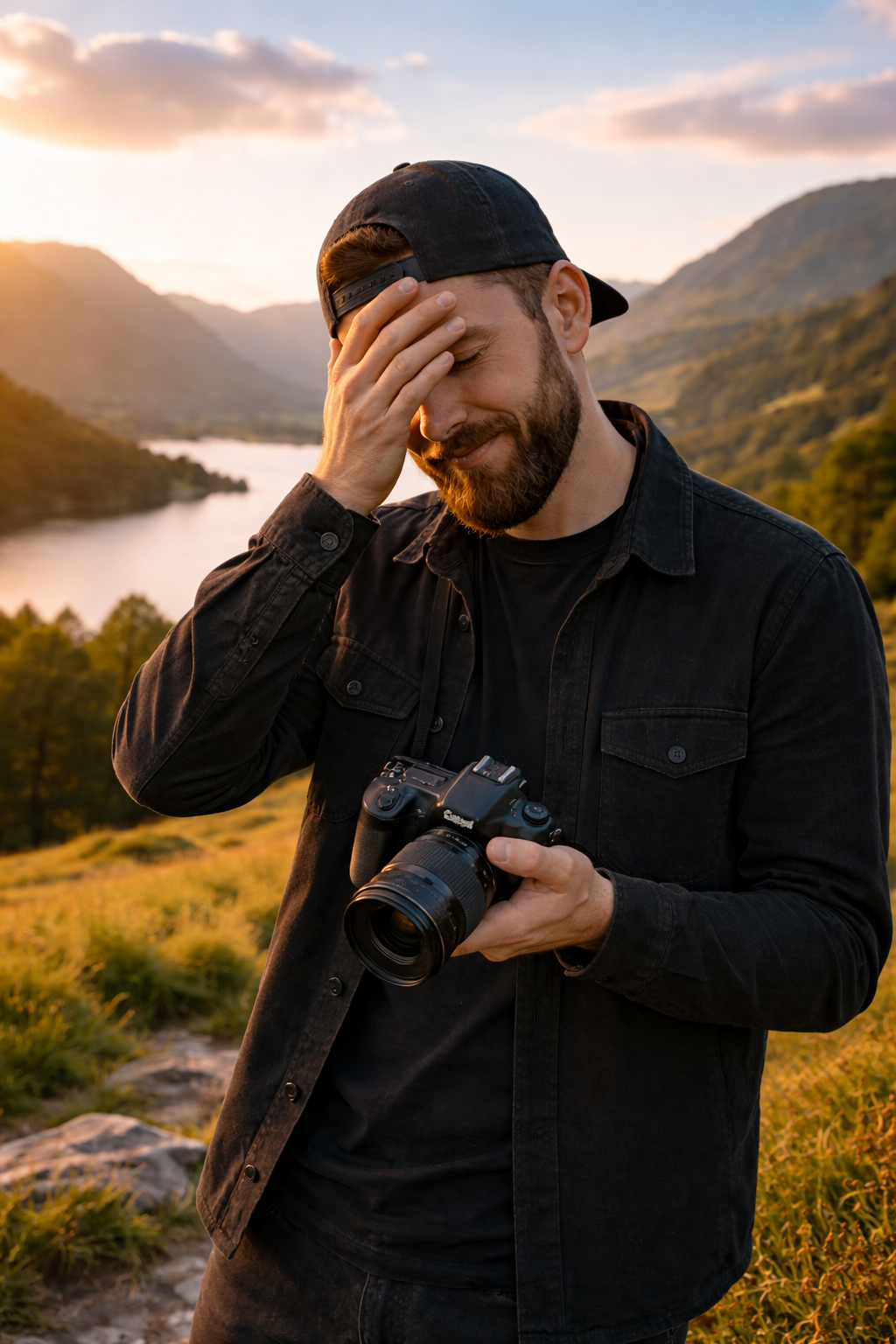
I normally try and take a positive tone in this blog, so this feels like a bit of a harsh way to start something off, but I promise I am going somewhere with this… bear with me.
If you know me, or you have been here before, you will know that my “real” job is working in a school, as Music teacher, who just happens to teach photography as well - the latter is definitely my favourite part of my role! One thing I am always talking to students about is adopting a “growth mindset”. This is about switching the way that we think, so instead of thinking “I’m not good at this”, we say “I can get better at this/I have room to grow/this is how I can better” and instead of “Other people are better than me” we might try thinking “Other people might be ahead now, and I can learn from them”.
So, to start writing this by saying “You won’t take any good photos today”, seems ostensibly negative and completely antithetical, but when we unpack it, it actually starts to take some of the pressure off of us as photographers. And it doesn’t have to be just applied to photography, you could switch this up to anything else that you do!
If we look at it again, saying that “You won’t take any good photos today” is very different to saying “You can’t take any good photos today”. We can all take good photos, we have the knowledge and the skills to do it. We just don’t always do it!
So when we say this, we’re not saying that we can’t do it, we’re saying that we won’t. This is isn’t about being negative, it’s about lowering our own expectations the amount of strong outcomes that we have when we’re getting the images out of the camera, and lets face it, we’ve all been disappointed at some point or other when we’ve been to a location we’ve been excited to get to and got home to find that the shot we wanted wasn’t quite right, the light didn’t help or whatever other reason it is that’s stopped us from being as successful as wanted. This is because, in our heads, we have built everything up so much, that we think we are coming home with a card full of bangers and then we don’t have a single one. It’s gruelling right? If this has never happened to you, please let me know what your secret is and well go into business together!
So what makes a good photo?
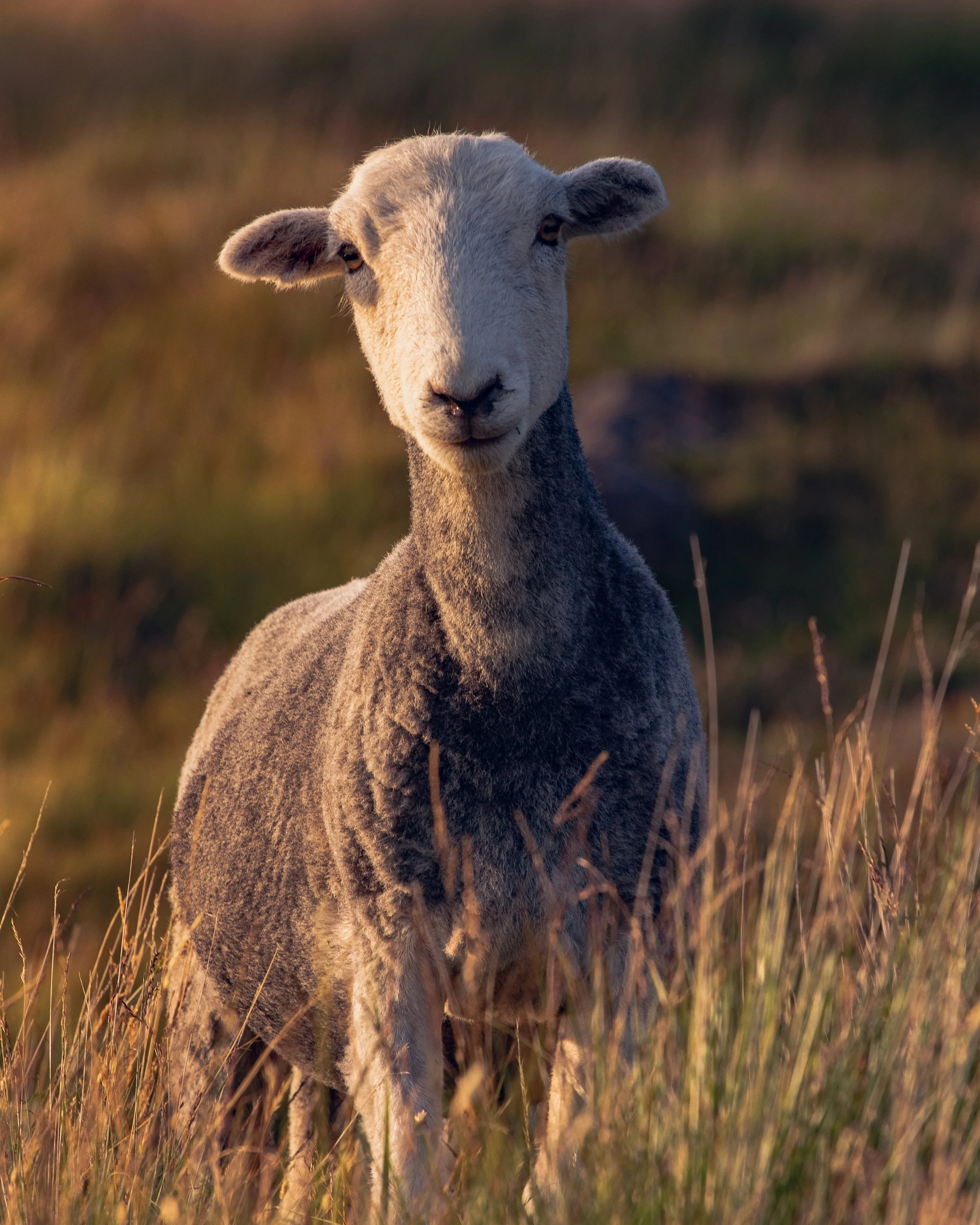
I refer you back to my to the opening of this blog: You won’t take any good photos today… If you know the definitive solution to this statement, let me know and we will go into business together and can retire at the start of next month.
This is one of the beautiful things about photography in that, it is so subjective that no one can give you the answer.
You could ask 100 photographers this question and I reckon that all of them would say something different, and they would all say “that’s a really tough question”.
Some people will mention sharpness, some will mention blur, some will mention expsosure and others will mention colour. Most of them will mention story in some form or other. A sharp photo isn’t always a good photo, a blurry photo isn’t always a bad photo, some photos will be way underexposed or over exposed and will still be good photos.
The answer to this isn’t a definitive one. That’s because (in my opinion) there are good photos and there are technically good photos.
By technically good, I mean that they are sharp where they need to be, they are well exposed and they have a balanced composition. Good photos don’t have to be technically good; if you think about intentional camera movement (ICM) then there isn’t much in this style of photography that is sharp: that’s the whole point of it!
If I’m taking pack shots, then there isn’t a story, they’re photos of objects which are intended to be honest. They need to be technically good so that they show the object/item off at it’s best and in a way which shows it for what it is; the client isn’t after creativity, they want the brief fulfilling and they want clear shots. These shots are technically good, but at the same time, they’re not going to win any awards. Such is the need for technical accuracy, that AI is starting to get involved with this in a big way.
So what makes a good image? For me, it’s one that makes you think, makes you stop and makes you ask questions. Not everyone will like all of your image, art is subjective and it’s divisive. One of the most expensive photos ever sold at auction (Andreas Gursky’s Rhein II) is one such photograph. It’s one of a series of photographs of the River Rhein, which flows through the centre of the frame with grass one either bank, an overcast sky and a path in the foreground. Everything runs horizontally. I think what I like about it is that you can view it top to bottom (like layers in cake), or from front to back link you are standing and looking at the scene. To some people, this will be a boring photo, but for me it’s not just a good photo, it’s a great photo… someone thought it was great to the tune of around $2.7million, but there are some people who won’t think it’s worth more than a tenner!
Your Camera
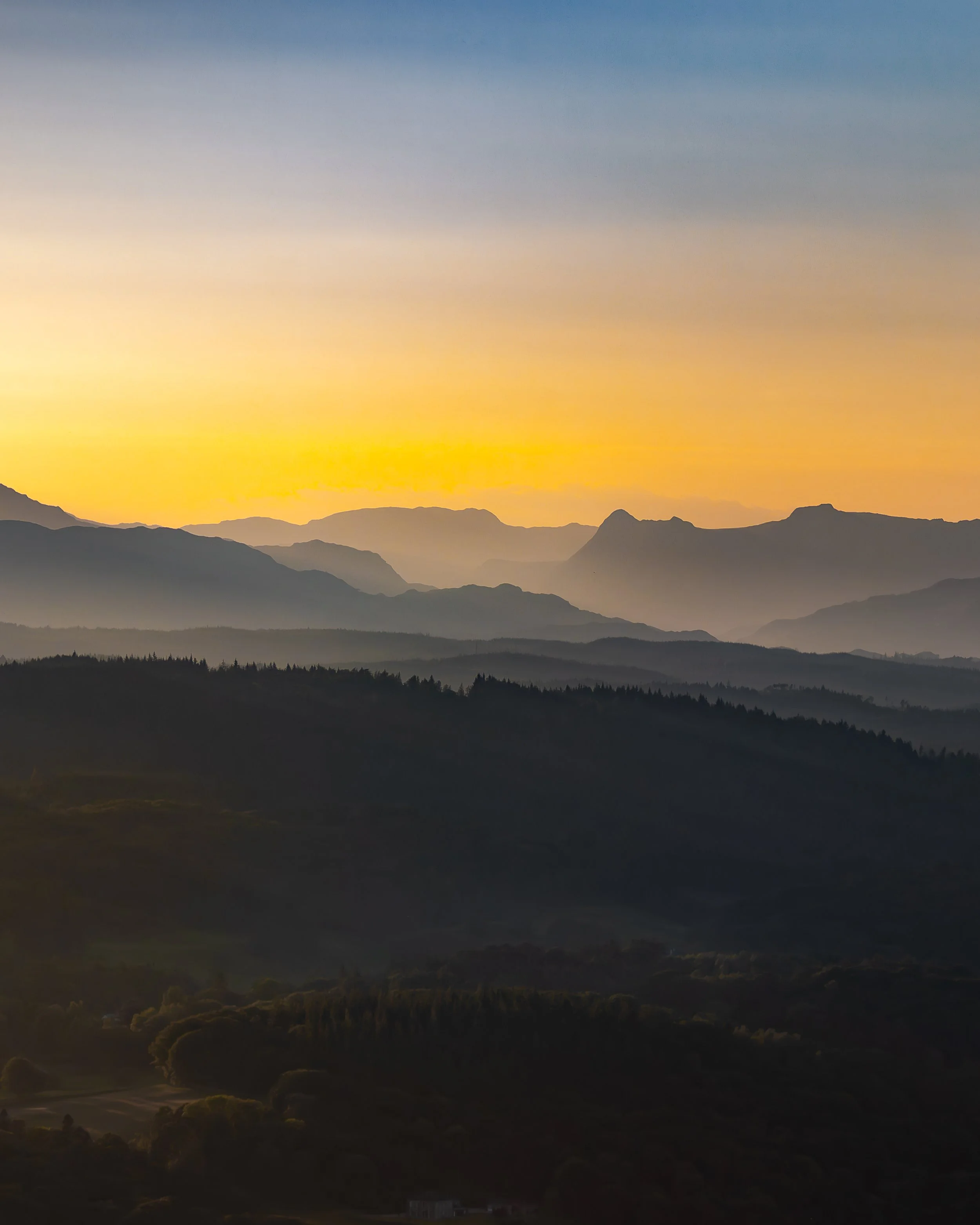
Better camera’s don’t take better photos. Read that again… Better camera’s don’t take better photos.
They might make higher resolution images in a way that makes the process easier, may be more intuitive and will make your life easier in post processing. If you’re a wildlife photographer, the better autofocus systems might give you more in focus shots. But they won’t help you to take ‘good’ images and they won’t make you a better photographer.
Think about some of the great photographers of the last 100 years. Ansell Adams, Henri Cartier-Bresson, Ernst Haas, Elliot Erwitt - the list could (and probably should) go on and one. But none of them used digital cameras. They didn’t have the autofocus systems that we have today, they probably didn’t have light meters in their cameras, they didn’t have the technology in their lenses that we have in the modern world but they still took great photographs.
When I got my first DSLR and took it out for the firs time, at night, in London I was set to come back with 100’s of photos that were going to blow people’s minds.
I did not.
I even thought that there was something wrong with the camera. There wasn’t, but there was a problem behind the camera, in someone who thought that the camera was going to do all of the heavy lifting. I had to spend time learning the theory and the technqiues and had to invest in a tripod. I even had to the read the camera manual… assisted by some demonstrations on YouTube.
But, telling myself that I might not take any good images made it even sweeter the first time came back and downloaded my card to find some images that I was pleased with and wanted to share with people.
Photography companies are great at making new cameras and they are just as good at marketing and making you think that you need the latest pieces of kit. You should only upgrade your kit when you’re need to, not just because the manufacturers told you that you should.
A few years ago, teaching photography I had a student with a Canon 5D Mark IV and a student with an entry level Canon, it was something like a 4000D. Guess who was taking the better photos… I’ll give you a clue; it wasn’t the person with the expensive camera.
Remember, the most important thing in photgraphy isn’t what taking the photos, it’s who’s taking the photos and the bit of electrified meat between their ears that is telling them how to take it.
So Why Aren’t You Going to Take Any Good Photos?
I mean, this a bit of a harsh question, you are going to take good photos, but if you can adjust your mindset and think that you’re not going to, you avoid the disappointment of having nothing you’re proud of, but you also have the joy of coming back to the edit and seeing that you have got more than you expected.
If you go out all the time thinking that you’re going to have endless good, usable photos on your memory card only to find that you don’t, you’re going to begin to fall out of love of with photography pretty quickly.
Even people who do landscape photography full time will go out and not come back with an image that they are happy with. They might have some technically excellent images, but nothing that they feel is ‘good’.
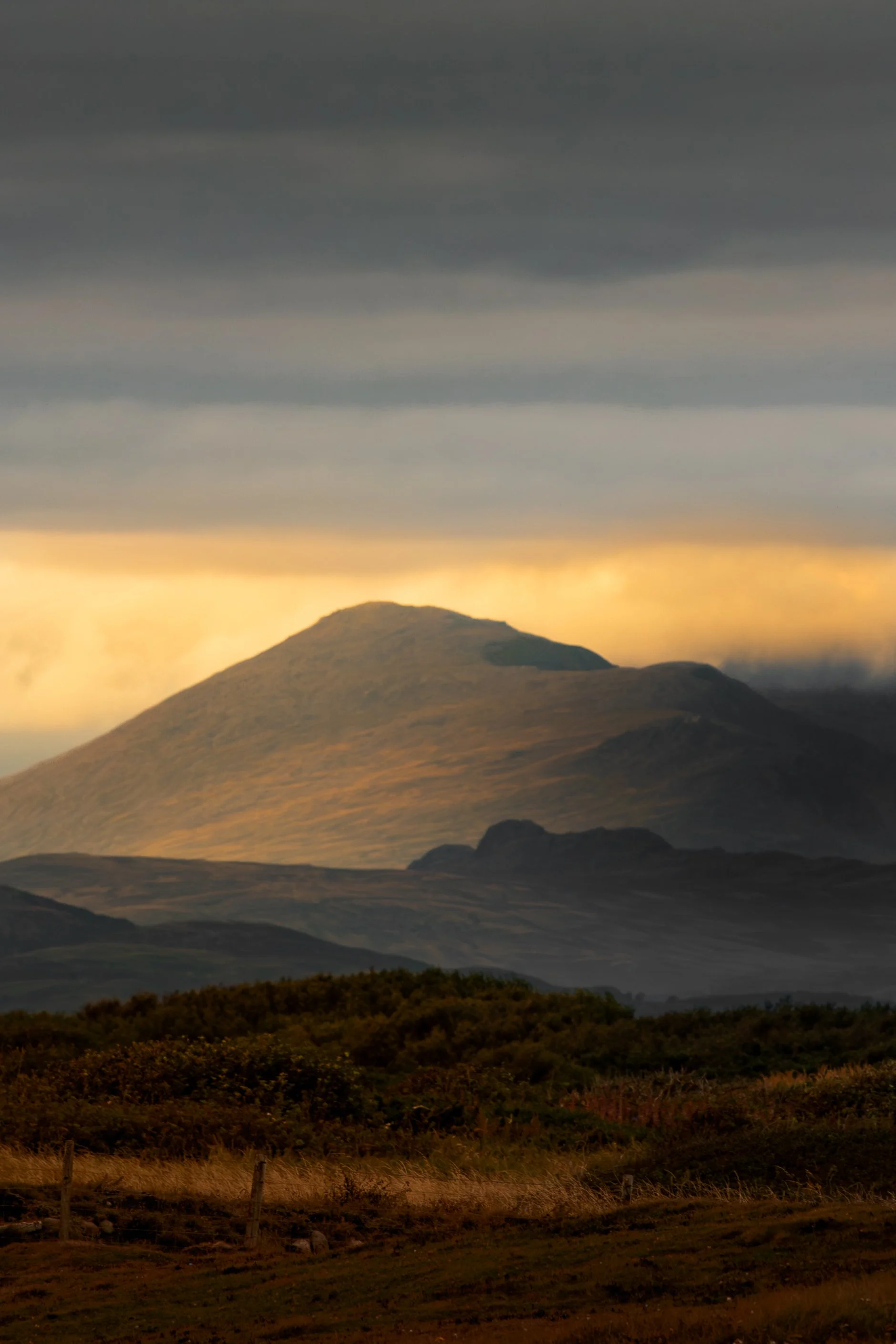
Remember
Photography is art, and as I have said, art is subjective.
Not everyone is going to like your photos, and that’s ok. Not all of your shots are going to be good, and that’s ok too. You won’t get banger after banger every time you go out to shoot, sometimes you will come back with a whole card of photos that you don’t like or you don’t think are any good, and guess what? That’s ok!
Thanks for reading, I hope you found this useful/insightful! If you’d like to be the first hear about new blogs and reviews and to keep up to date with what I am doing and see my latest work, please consider signing up to my newsletter.
If you’d like to support the blog and help me keep producing Lake District photography content, honest gear reviews and regular website updates, you can do so via my Buy Me a Coffee page. Keeping everything running smoothly takes time, and your support makes a real difference. Thank you.