
My Photography Blog
Welcome to the Chris Kendrick Photography Blog, where I share the stories, challenges and inspirations behind shooting Lake District landscapes and working as a Cumbria-based photographer. Alongside behind-the-scenes reflections from the fells and lakes, you'll also find honest photography gear reviews, covering the cameras, lenses and accessories that genuinely perform in real Lake District conditions. Whether you’re passionate about landscape photography, exploring Cumbria’s scenery, building your kit, or simply curious about the craft, there’s something here for you.
Some posts include affiliate links; thank you if you choose to support the blog through a qualifying purchase. If there’s a topic or piece of gear you’d like me to cover, let me know. Enjoy exploring!
Enjoy!
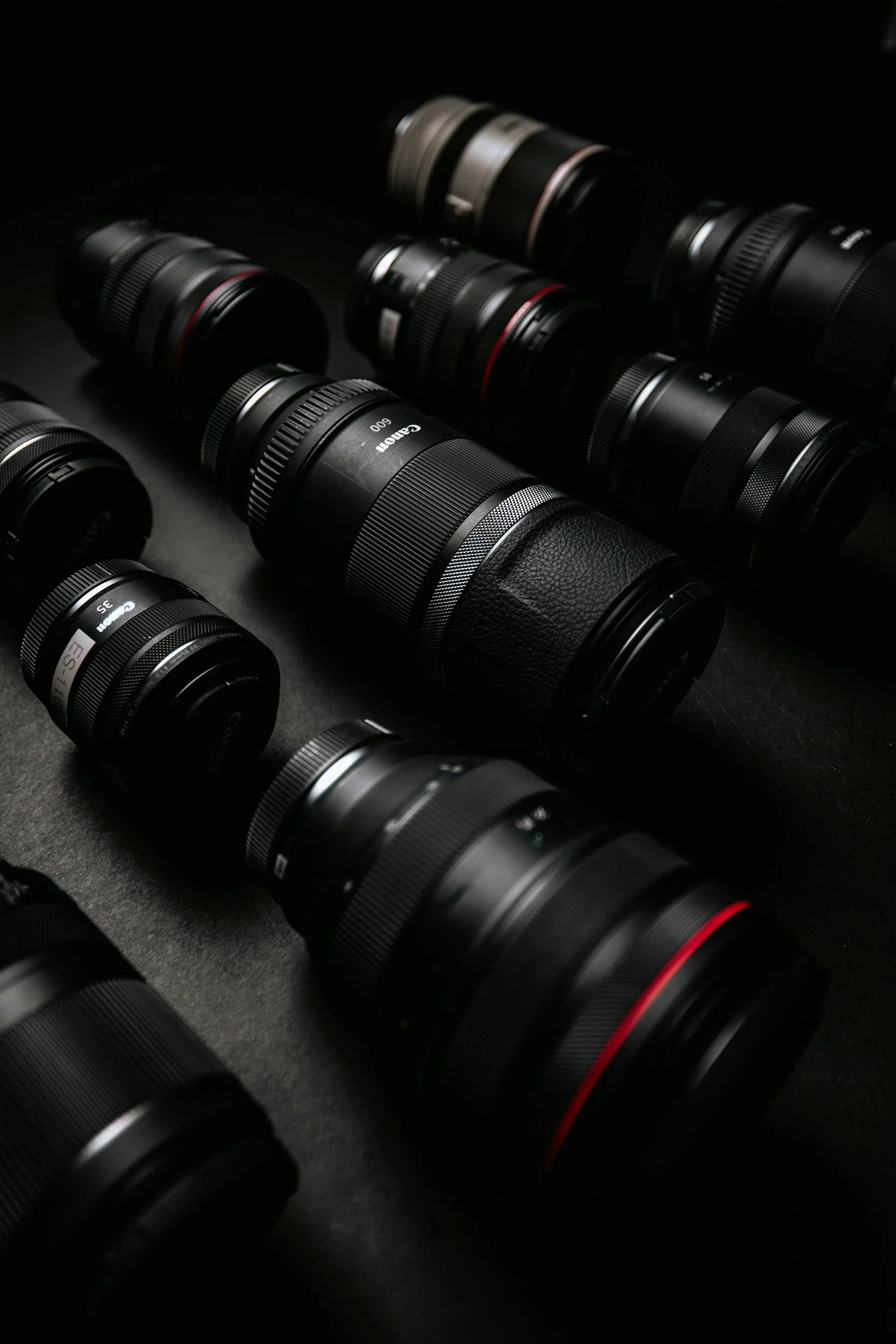
Aperture in Landscape Photography - Should You Buy f/4 or f/2.8 lenses?
Choosing between f/2.8 and f/4 lenses can be confusing. This guide breaks down the real differences for landscape photographers, including cost, weight, sharpness, and low-light performance, to help you decide which option truly fits your shooting style.

The Bookshelf - #4 - Magnum Contact Sheets
Magnum Contact Sheets is one of the most insightful photography books you can own. Featuring original contact sheets from legendary photographers, it reveals the full creative process behind iconic images. In this review, explore why this book remains essential reading for photographers of all genres.

Bokeh: Why It’s great and Why We Shouldn’t Obsess Over It.
Bokeh is one of those photography buzzwords that seems to carry a lot of weight. It’s the intentionally out-of-focus parts of an image, often seen as soft blur and circular highlights that help a subject stand out. When it’s used well, bokeh can add depth, mood, and separation, guiding the viewer’s eye exactly where you want it to go.
But bokeh can also become a distraction. Social media has helped turn background blur into a badge of “good photography”, even when the light, composition, and subject aren’t doing much of the heavy lifting. In this post, we’ll look at what bokeh actually is, why it looks the way it does, and how to use it intentionally without letting it take over the image. If you’ve ever wondered whether you’re shooting wide open because it serves the story or just because it looks cool, this one’s for you.
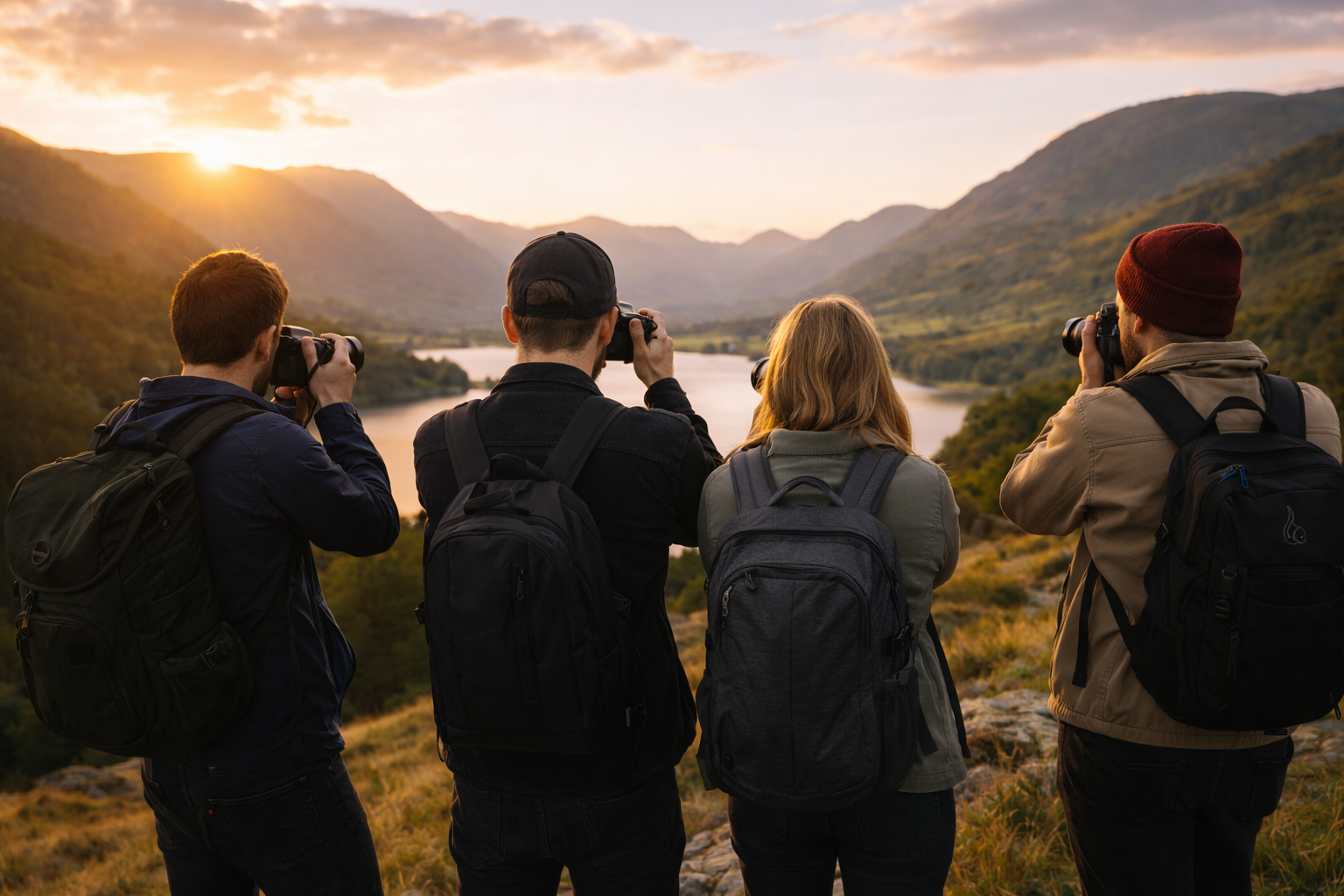
Community in Photography. Why It Matters.
Landscape photography is often seen as a solitary pursuit — long walks, early starts, and quiet moments alone with the camera. While that’s part of its appeal, it can also mean that opportunities for connection, shared learning, and community are harder to come by.
In this article, I reflect on my experience of photography communities in London and how that sense of belonging has been harder to find since moving to the Lake District. I explore why in-person connection matters, what’s currently missing from landscape photography culture, and why online communities don’t always fill the gap. Finally, I share an idea for building something more local, supportive, and grounded in real-world photography — and invite others to be part of the conversation.
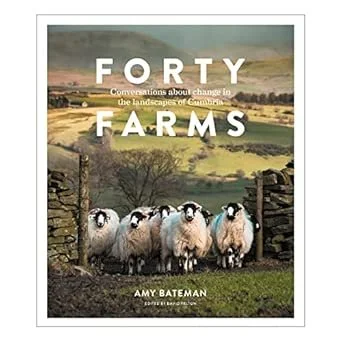
The Bookshelf - #3 - Forty Farms
Forty Farms by Amy Bateman is a beautifully crafted visual journey through the Lake District’s farming heritage. Blending striking photography with authentic storytelling, the book captures the resilience, character, and quiet beauty of rural life. Whether you’re a landscape photographer or simply drawn to the Lake District, this is an inspiring and grounding read.

I Finally Ditched my Apple Magic Mouse and it Changed my Life.
The Logitech MX Master 3S completely changed how I work. From custom shortcuts to seamless scrolling and ergonomic design, this isn’t just a mouse — it’s a serious productivity upgrade for photographers and creatives.

The Bookshelf - #2 - This Pleasant Land
This Pleasant Land by Hoxton Mini Press is a compelling British landscape photography book that brings together 24 photographers to explore the UK’s changing terrain. In this review, we look at how this contemporary photobook challenges traditional landscape imagery with a bold, often irreverent perspective on modern Britain.

Do You Need Filters for Landscape Photography?
Do you actually need filters for landscape photography—or are they just another expensive accessory? In this guide, I break down when filters matter, when they don’t, and which ones are worth buying once you’re ready. From ND filters for long exposures to polarisers for cutting reflections, here’s what you really need to know.

The Bookshelf - #1 Liam Wong TO:KY:OO
The Bookshelf is a curated series exploring the photography books that have shaped my approach behind the camera. Rather than reviews, these short features focus on inspiration, visual storytelling, and the creative ideas that can influence how we see and capture the world. Each entry highlights a single photobook, offering insight into why it matters and what photographers can take from it.

Gear Review: Logitech MX Creative Creative Console - Keypad and Control Dial
The Logitech MX Creative Console is quickly becoming one of the most talked-about tools for photographers and content creators looking to speed up their workflow. Combining a programmable keypad with a precision control dial, it offers a more tactile, intuitive way to edit photos and videos compared to traditional keyboard shortcuts. With growing support for apps like Adobe Lightroom, Photoshop, DaVinci Resolve, and Figma, it’s designed to streamline repetitive tasks and improve efficiency across creative workflows.
But is it actually worth adding to your setup in 2026? In this review, we break down its key features, real-world performance, and how it compares to alternatives like the Stream Deck—so you can decide if it’s the right tool for your editing workflow.

Why Photo Books Are Important
Photobooks offer something social media can’t — time, intention, and a deeper connection to photography. In this post, I explore why printed photography still matters, how it shapes the way we see images, and why every photographer should own at least a few.
Why You Need a Website as a Landscape Photographer.
In an age of social media and instant sharing, it’s easy to question whether a dedicated website is still necessary for landscape photographers. Platforms come and go, algorithms change overnight, and your work is always competing for attention. A website gives you something social media never can: control, permanence, and credibility.
In this article, I explore why having a website matters, even if photography isn’t your full-time job. From building a professional online presence and showcasing your portfolio properly, to improving discoverability through search and creating opportunities for print sales, licensing, or commissions, a website acts as a central hub for your work. If you’re serious about your photography and want to future-proof it, a website remains one of the most valuable tools you can invest in.
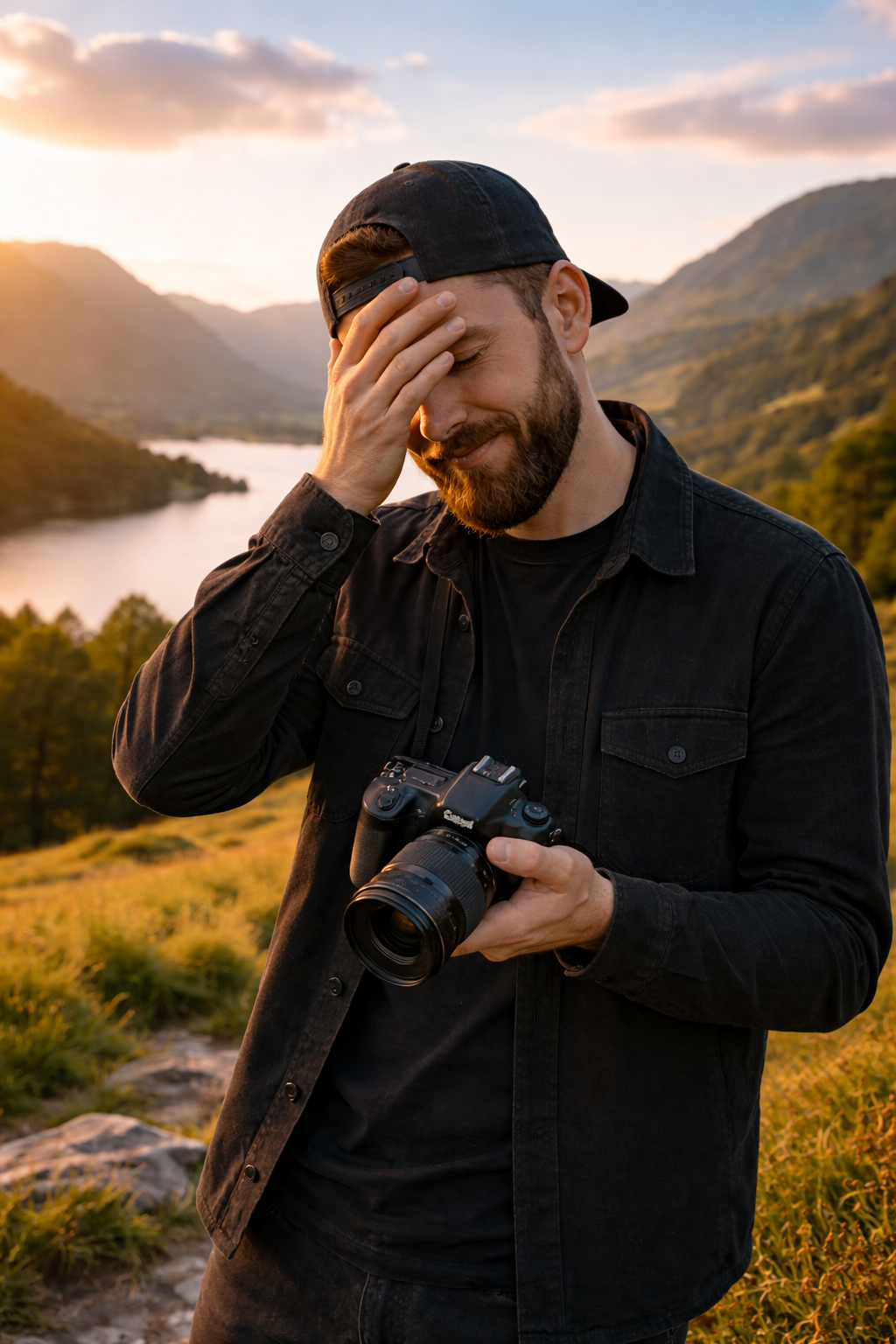
You Won’t Take Any Good Photos Today: Shifting Your Mindset in Landscape Photography.
“You won’t take any good photos today.” It’s a thought most landscape photographers have had at some point — often before the camera has even come out of the bag. This article explores how mindset, expectations, and pressure can quietly shape the way we shoot, and why chasing “good photos” can sometimes get in the way of meaningful photography.
Rather than focusing on locations, gear, or conditions, this piece looks at the mental side of landscape photography: learning to let go of outcomes, embracing imperfect days, and staying open to what the landscape offers. By shifting how you approach a shoot, you may find that creativity, enjoyment, and better images follow naturally — even on days that don’t look promising at first.
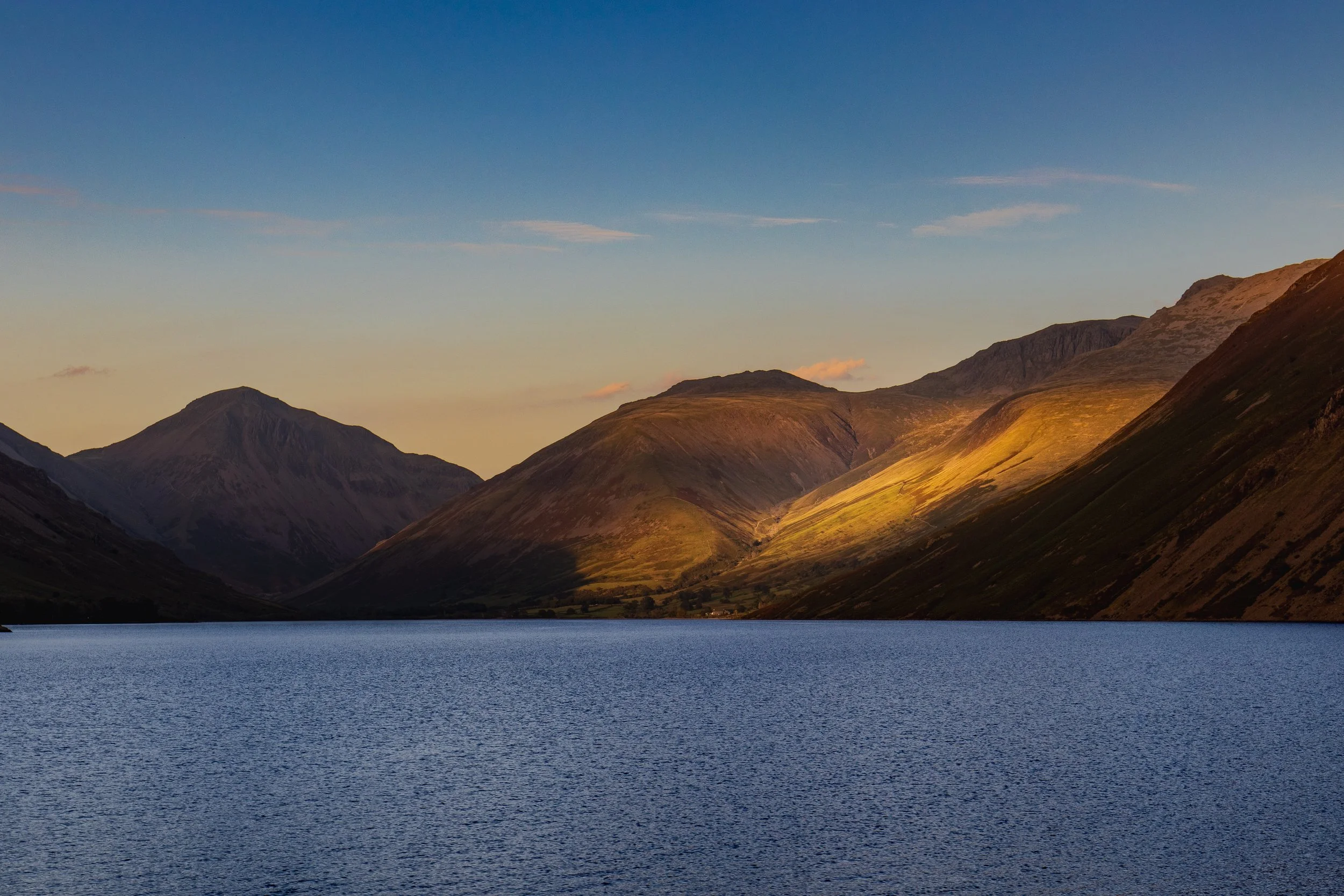
What Are The Best Camera Settings for Landscape Photography?
When photographers ask “what are the best settings for landscape photography?”, they’re often looking for a simple checklist. The reality is that there’s no single set of perfect settings that works for every landscape scene. Light, weather, subject movement, time of day, and creative intent all influence the choices we make behind the camera.
In this guide, I explain why fixed “best settings” don’t really exist, and instead break down the decision-making process photographers use when choosing aperture, shutter speed, ISO, and focus. By understanding how these elements interact with the scene in front of you, you’ll be able to confidently select the right settings for any landscape, rather than relying on guesswork or presets.
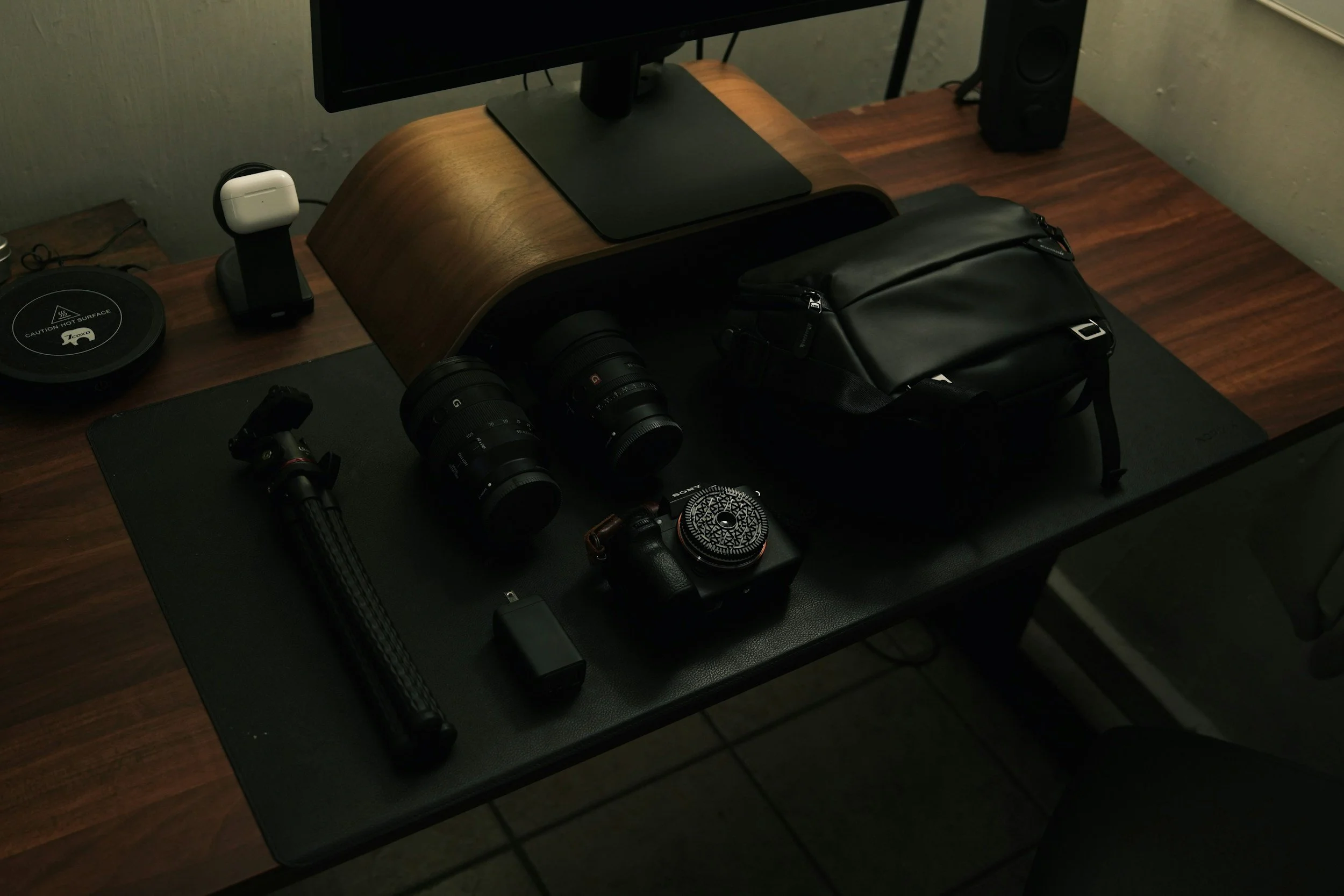
Affordable Landscape Photography Accessories
Landscape photography doesn’t have to be expensive. In this guide, I share some of the best affordable accessories that can dramatically improve your landscape images. From sturdy budget tripods and essential filters to clever accessories that make shooting outdoors easier, these tools help you get professional-looking results without spending a fortune.
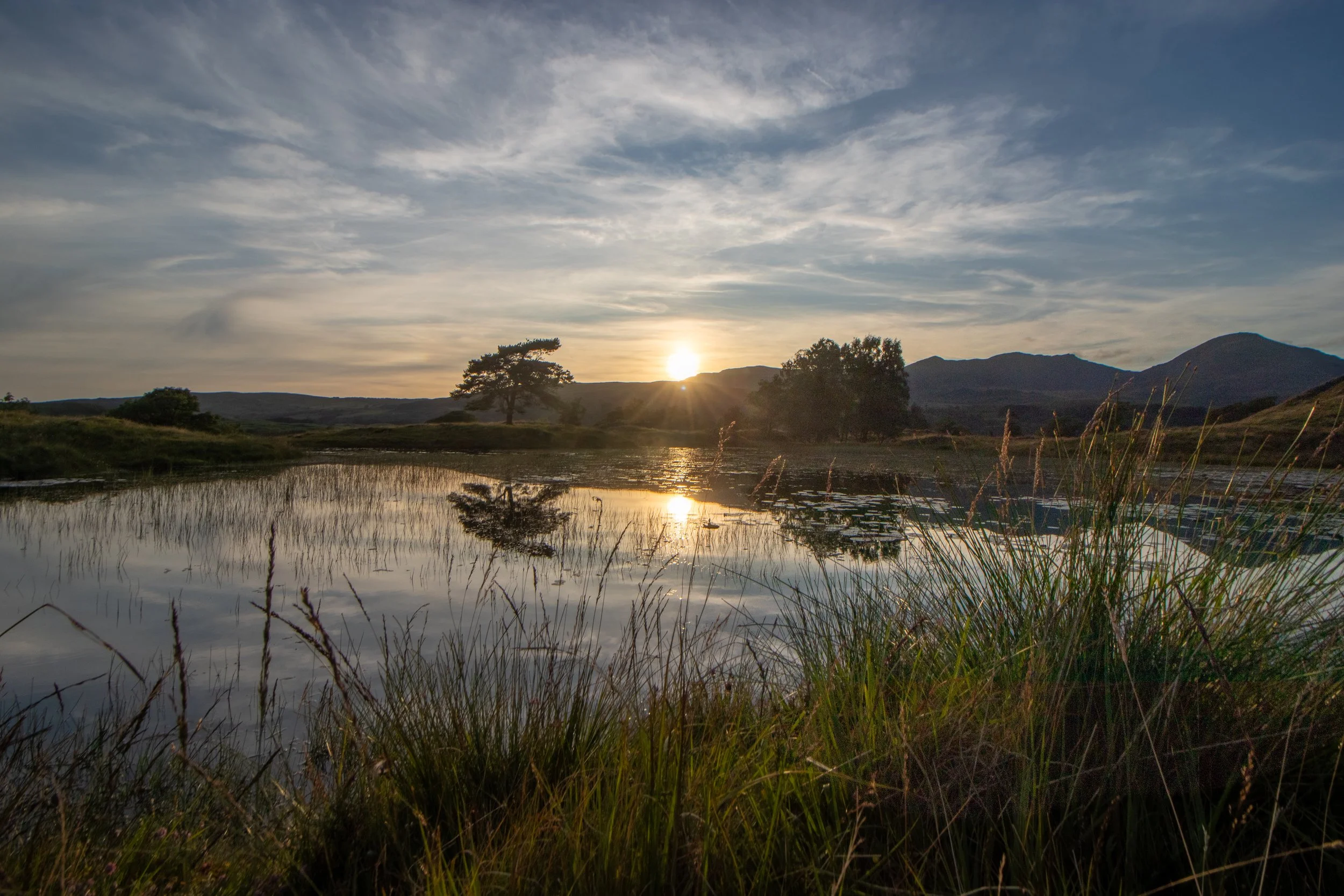
Exposure Bracketing: Why, When and How to Do It and How to Combine and Edit Your Images.
Exposure stacking is a powerful landscape photography technique used to capture scenes with a wide dynamic range, such as sunrises, sunsets, and high-contrast landscapes. By blending multiple exposures, photographers can retain detail in both bright skies and dark foregrounds that a single image often cannot capture.
In this guide, you’ll learn what exposure stacking (exposure bracketing) is, when to use it, and how to do it step by step—from camera settings in the field to blending exposures in post-processing. A short tutorial video is also included to help you follow the full workflow.
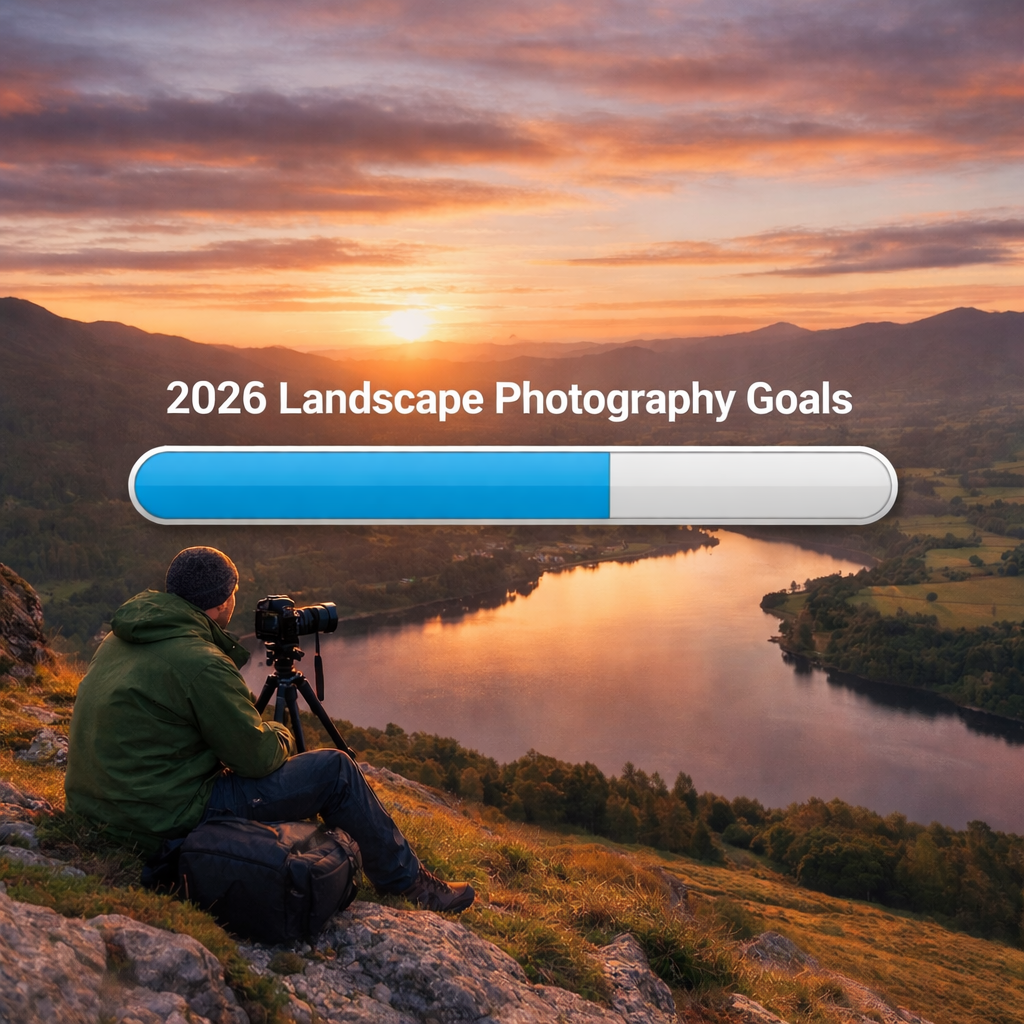
Checking in on My 2026 Photography Goals.
Earlier this year I set several goals for my landscape photography in 2026. Now that the year is underway, it’s time to reflect on what’s working, what challenges I’ve faced, and how my photography is evolving.
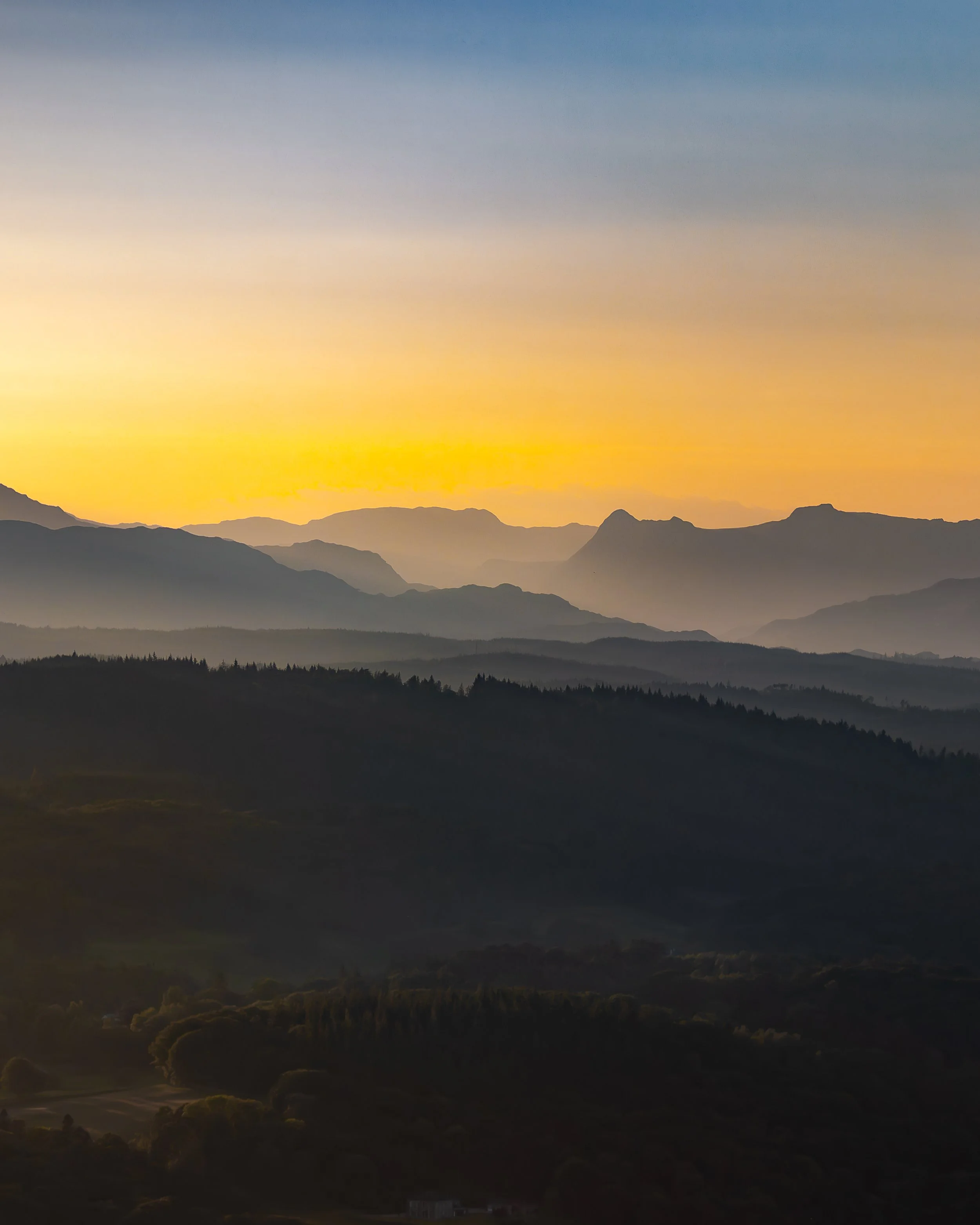
Landscape Photography for Complete Beginners
A friendly, step-by-step guide to landscape photography for complete beginners. Learn the core camera settings, composition basics, focusing, and how to work with light so you can capture sharper, more compelling images from your very first outings.
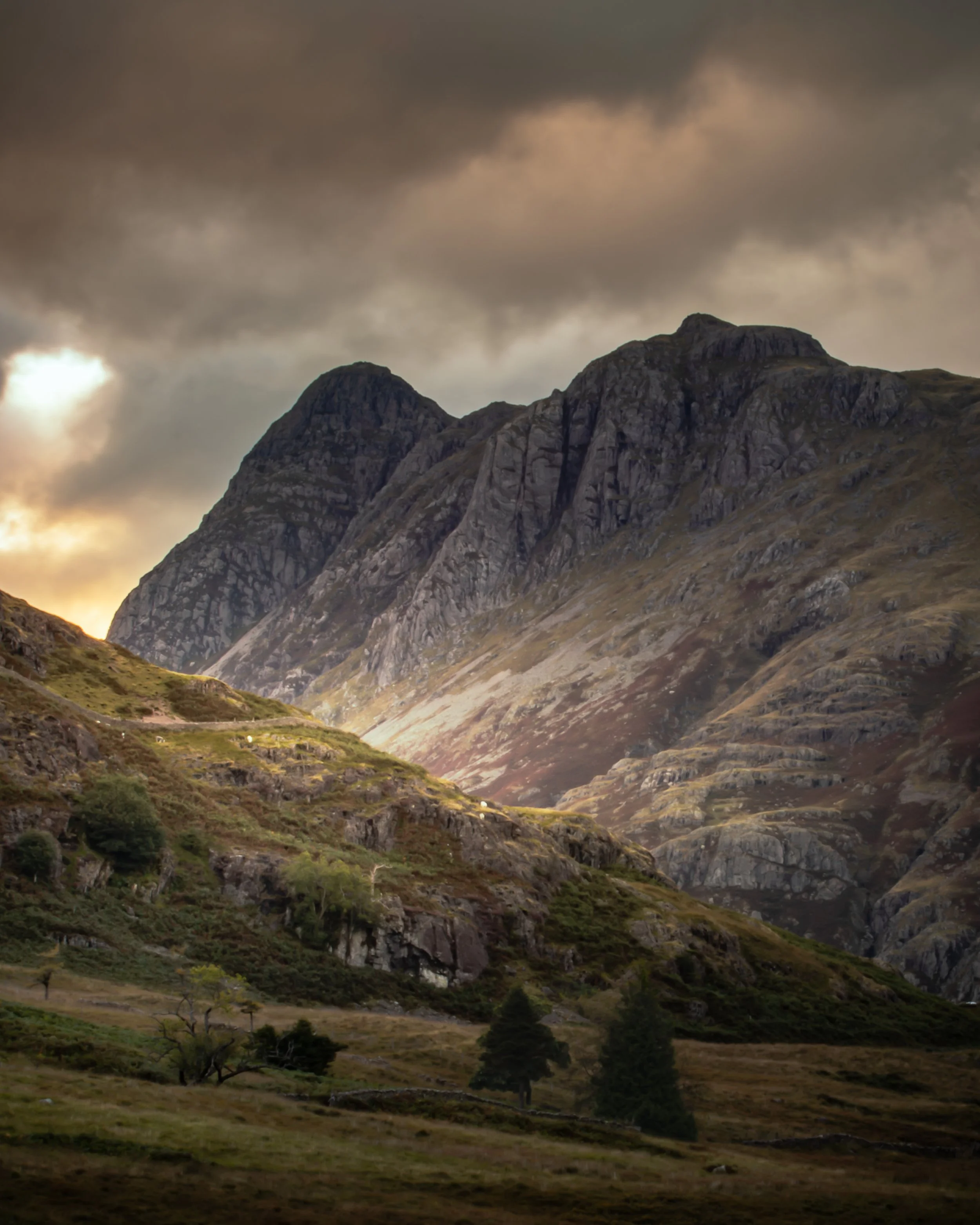
Landscape Photography Workshops in The Lake District
Discover how landscape photography workshops in the Lake District can transform your skills. Learn to master light, composition and editing with expert field guidance.
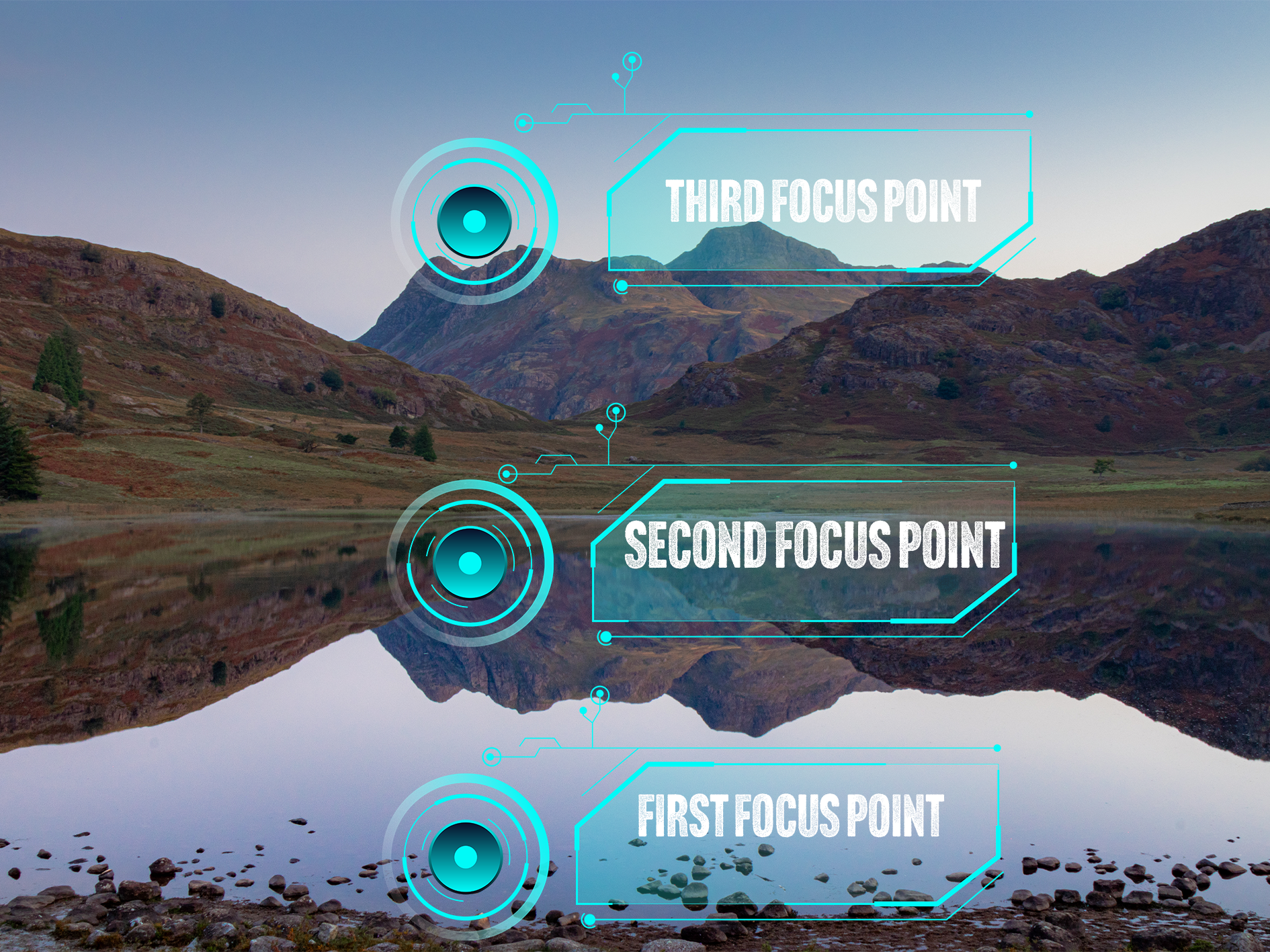
Focus Stacking: How to Get Sharp Images in Landscape Photography
Focus stacking is a powerful technique that allows photographers to achieve sharp focus throughout an entire image, from foreground to background. In this beginner-friendly tutorial, you will learn what focus stacking is, when to use it, how to shoot the required images in the field, and how to blend them together in post-processing for professional results. Ideal for landscape and macro photographers looking to improve image sharpness and detail.